LIBER X · CAPUT 10
THE KITE
Latine · Mayhoff 1906
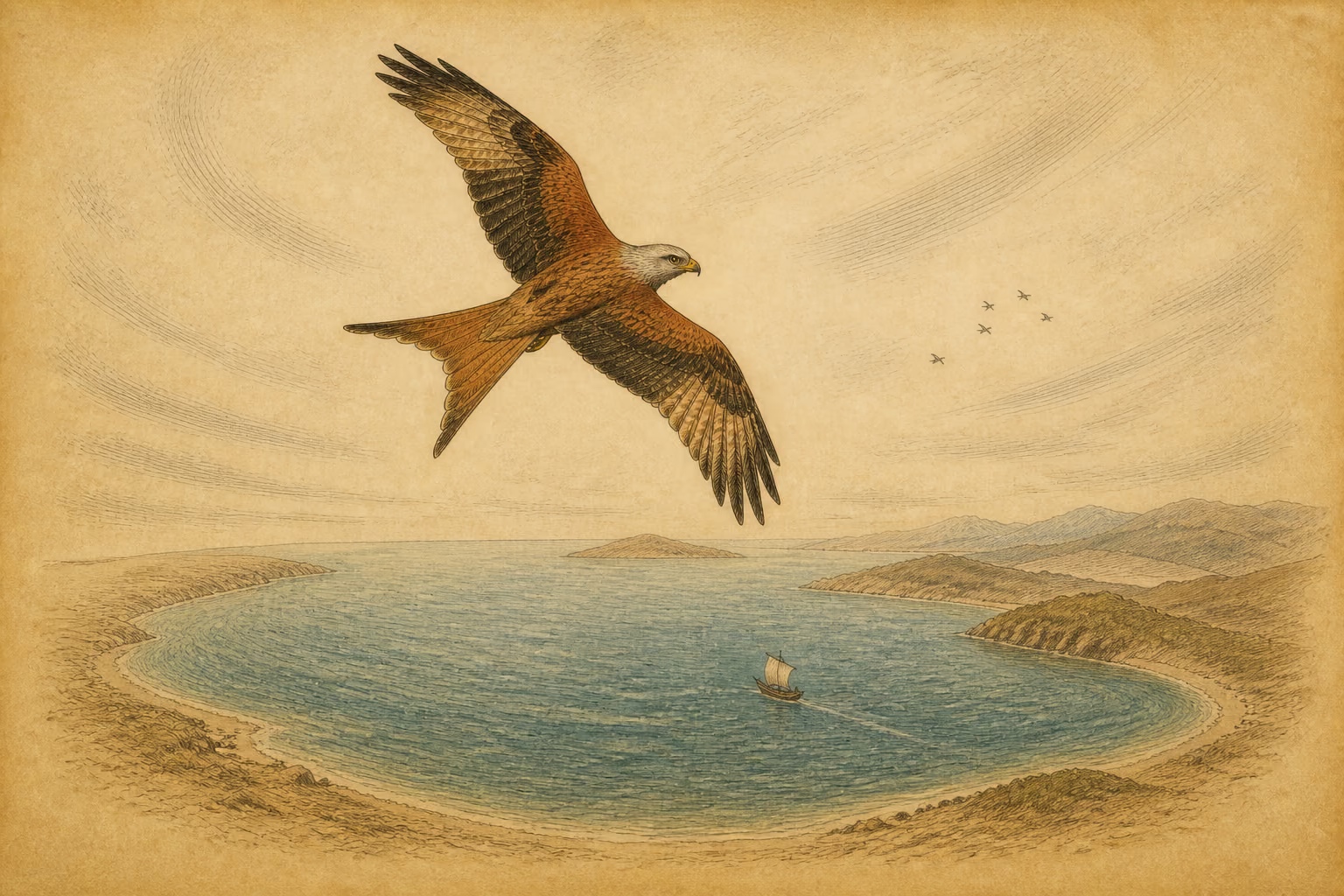
Milui ex eodem accipitrum genere magnitudine differunt. notatum in his, rapacissimam et famelicam semper alitem nihil esculenti rapere umquam e funerum ferculis nec Olympiae ex ara ac ne ferentium quidem manibus nisi lugubri municipiorum inmolantium ostento. iidem videntur artem gubernandi docuisse caudae flexibus, in caelo monstrante natura quod opus esset in profundo. milui et ipsi hibernis mensibus latent, non tamen ante hirundinem abeuntes. traduntur autem et a solstitiis adfici podagra.
English · Bostock & Riley 1855–57
The kite, which belongs to the same genus, is distinguished from the rest of the hawks by its larger size. It has been remarked of this bird, extremely ravenous as it is, and always craving, that it has never been known to seize any food either from among funereal oblations or from the altar of Jupiter at Olympia; nor yet, in fact, does it ever seize any of the consecrated viands from the hands of those who are carrying them; except where some misfortune is presaged for the town that is offering the sacrifice. These birds seem to have taught man the art of steering, from the motion of the tail, Nature pointing out by their movements in the air the method required for navigating the deep. Kites also disappear during the winter months, but do not take their departure before the swallow. It is said, also, that after the summer solstice they are troubled with the gout.