LIBER X · CAPUT 8
HAWKS. THE BUTEO
Latine · Mayhoff 1906
Accipitrum genera sedecim invenimus, ex his aegithum, claudum altero pede, prosperrimi augurii nuptialibus negotiis et pecuariae rei; triorchem a numero testium, cui principatum in auguriis Phemonoe dedit. buteonem hunc appellant Romani, familia etiam cognominata, cum prospero auspicio in ducis navi sedisset. epileum Graeci vocant qui solus omni tempore apparet; ceteri hieme abeunt. distinctio generum ex aviditate: alii non nisi e terra rapiunt avem, alii non nisi circa arbores volitantem, alii sedentem in sublimi, aliqui volantem in aperto. itaque et columbae novere ex his pericula visoque considunt vel subvolant, contra naturam eius auxiliantes sibi. in insula Africae Cerne in oceano accipitres totius Masaesyliae humi fetificant nec alibi nascuntur, illis adsueti gentibus.
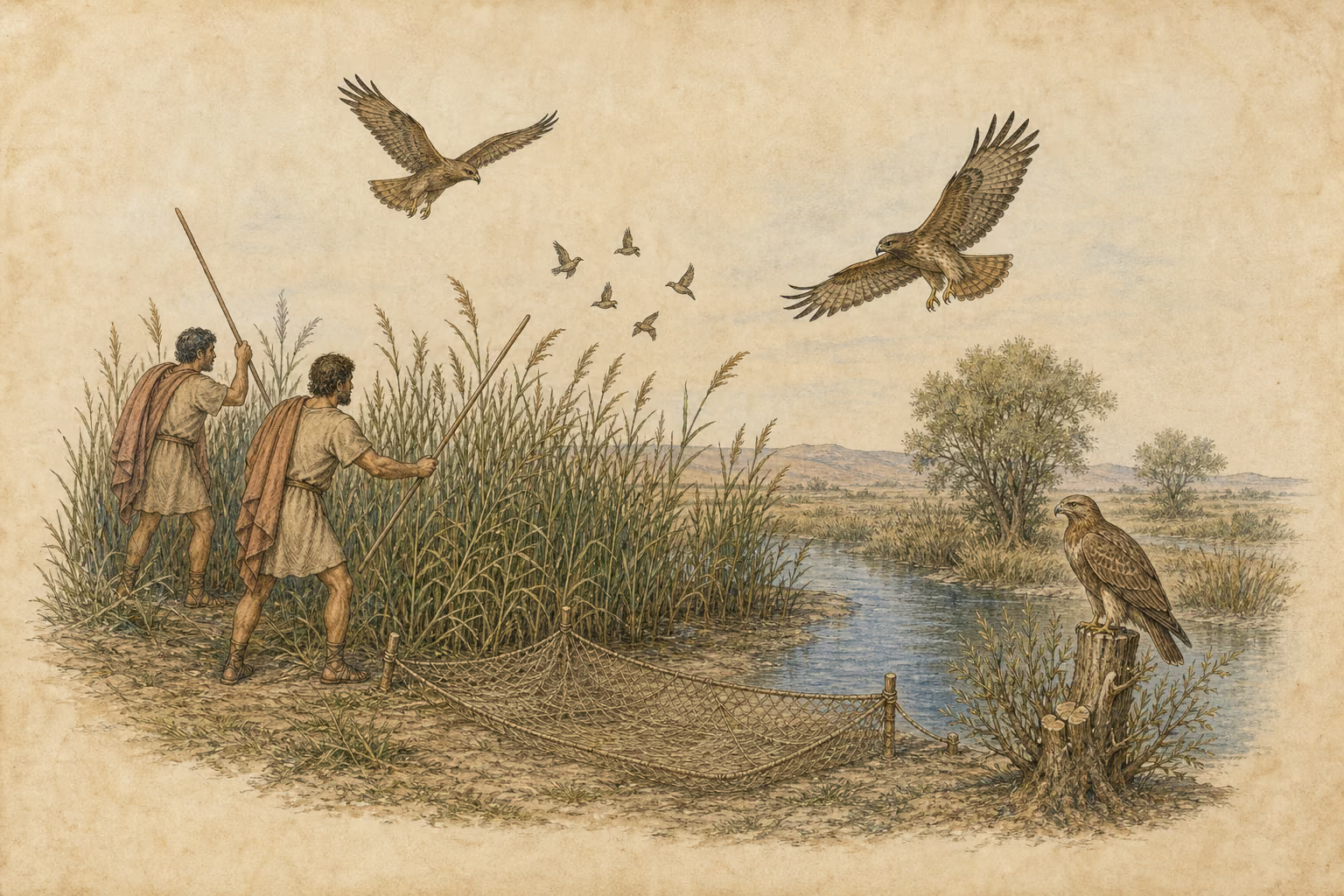
In Thraciae parte super Amphipolim homines et accipitres societate quadam aucupantur. hi ex silvis et harundinetis excitant aves, illi supervolantes deprimunt rursus; captas aucupes dividunt cum iis. traditum est missas in sublime sibi excipere eos et, cum sit tempus capturae, clangore ac volatus genere invitare ad occasionem. simile quiddam lupi ad Maeotim paludem faciunt. nam nisi partem a piscantibus suam accepere, expansa eorum retia lacerant.
Accipitres avium non edunt corda. nocturnus accipiter cybindis vocatur, rarus etiam in silvis, interdiu minus cernens. bellum internecivum gerit cum aquila, cohaerentesque saepe prenduntur.
English · Bostock & Riley 1855–57
We find no less than sixteen kinds of hawks mentioned; among these are the ægithus, which is lame of one leg, and is looked upon as the most favourable omen for the augurs on the occasion of a marriage, or in matters connected with property in the shape of cattle: the triorchis also, so called from the number of its testicles, and to which Phemonoë has assigned the first rank in augury. This last is by the Romans known as the “buteo;” indeed there is a family that has taken its surname from it, from the circumstance of this bird having given a favourable omen by settling upon the ship of one of them when he held a command. The Greeks call one kind “epileus;” the only one, indeed, that is seen at all seasons of the year, the others taking their departure in the winter.
The various kinds are distinguished by the avidity with which they seize their prey; for while some will only pounce on a bird while on the ground, others will only seize it while hovering round the trees, others, again, while it is perched aloft, and others while it is flying in mid air. Hence it is that pigeons, on seeing them, are aware of the nature of the danger to which they are exposed, and either settle on the ground or else fly upwards, instinctively protecting themselves by taking due precautions against their natural propensities. The hawks of the whole of Massæsylia, breed in Cerne, an island of Africa, lying in the ocean; and none of the kinds that are accustomed to those parts will breed anywhere else.
In the part of Thrace which lies above Amphipolis, men and hawks go in pursuit of prey, in a sort of partnership as it were; for while the men drive the birds from out of the woods and the reed-beds, the hawks bring them down as they fly; and after they have taken the game, the fowlers share it with them. It has been said, that when sent aloft, they will pick out the birds that are wanted, and that when the opportune moment for taking them has come, they invite the fowler to seize the opportunity by their cries and their peculiar mode of flying. The sea-wolves, too, in the Palus Mæotis, do something of a very similar nature; but if they do not receive their fair share from the fishermen, they will tear their nets as they lie extended. Hawks will not eat the heart of a bird. The night-hawk is called cybindis; it is rarely found, even in the woods, and in the day-time its sight is not good; it wages war to the death with the eagle, and they are often to be found clasped in each other’s talons.