LIBER XI · CAPUT 34
AN ANIMAL WHICH HAS NO PASSAGE FOR THE EVACUATIONS
Latine · Mayhoff 1906
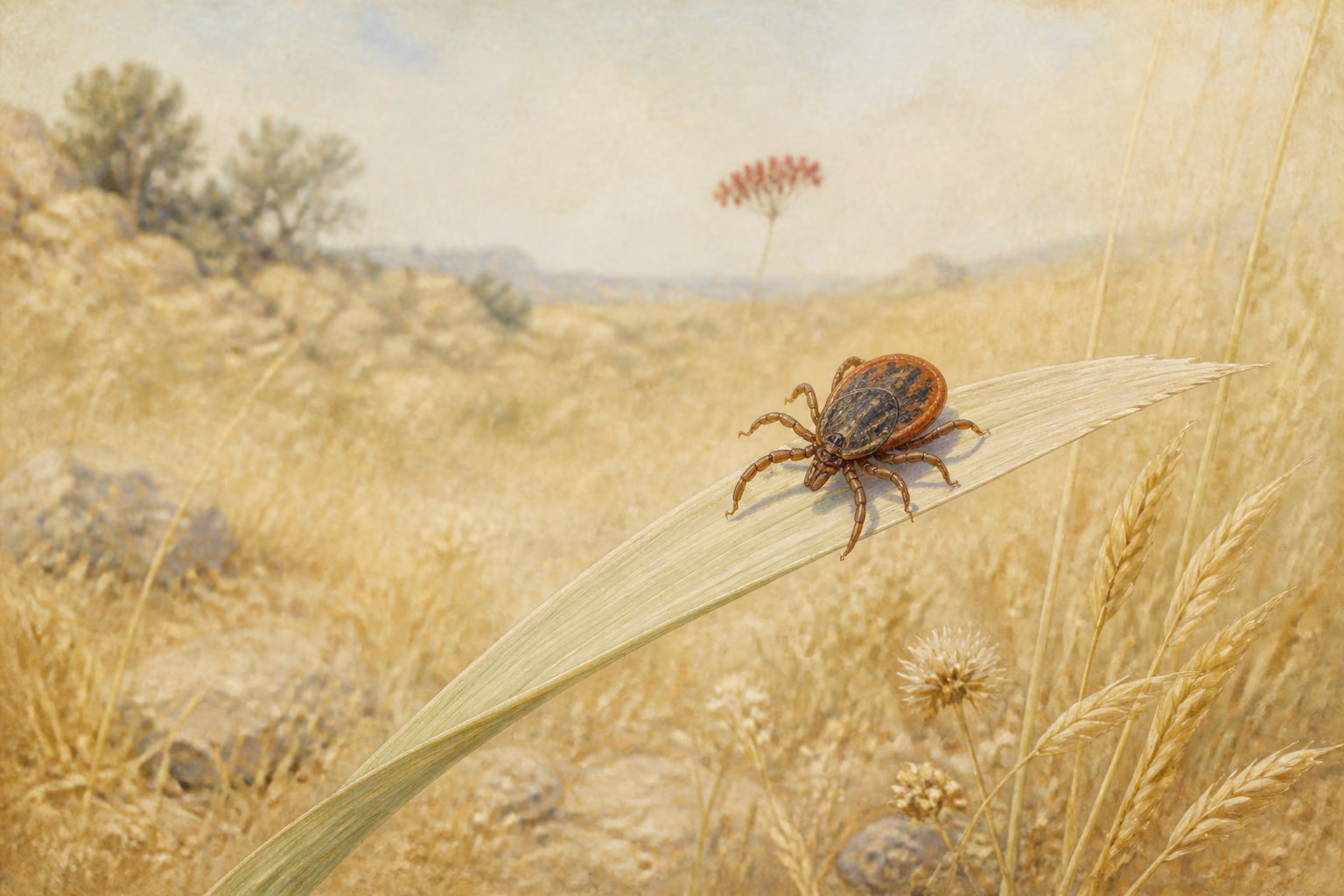
Est animal eiusdem temporis, infixo semper sanguini capite vivens atque ita intumescens. unum animalium, cui cibi non sit exitus, dehiscit in nimia satietate, alimento ipso moriens. numquam hoc in iumentis gignitur, in bubus frequens, in canibus aliquando, in quibus omnia; in ovibus et in capris hoc solum. aeque mira sanguinis et hirudinum in palustri aqua sitis; namque et hae toto capite conduntur. est volucre canibus peculiare suum malum, aures maxime lancinans, quae defendi morsu non queunt.
English · Bostock & Riley 1855–57
There is an animal, also, that is generated in the summer, which has its head always buried deep in the skin [of a beast], and so, living on its blood, swells to a large size. This is the only living creature that has no outlet for its food; hence, when it has overgorged itself, it bursts asunder, and thus its very aliment is made the cause of its death. This insect never breeds on beasts of burden, but is very commonly seen on oxen, and sometimes on dogs, which, indeed, are subject to every species of vermin. With sheep and goats, it is the only parasite. The thirst, too, for blood displayed by leeches, which we find in marshy waters, is no less singular; for these will thrust the entire head into the flesh in quest of it. There is a winged insect which peculiarly infests dogs, and more especially attacks them with its sting about the ears, where they are unable to defend themselves with their teeth.