LIBER XI · CAPUT 5
BEES
Latine · Mayhoff 1906
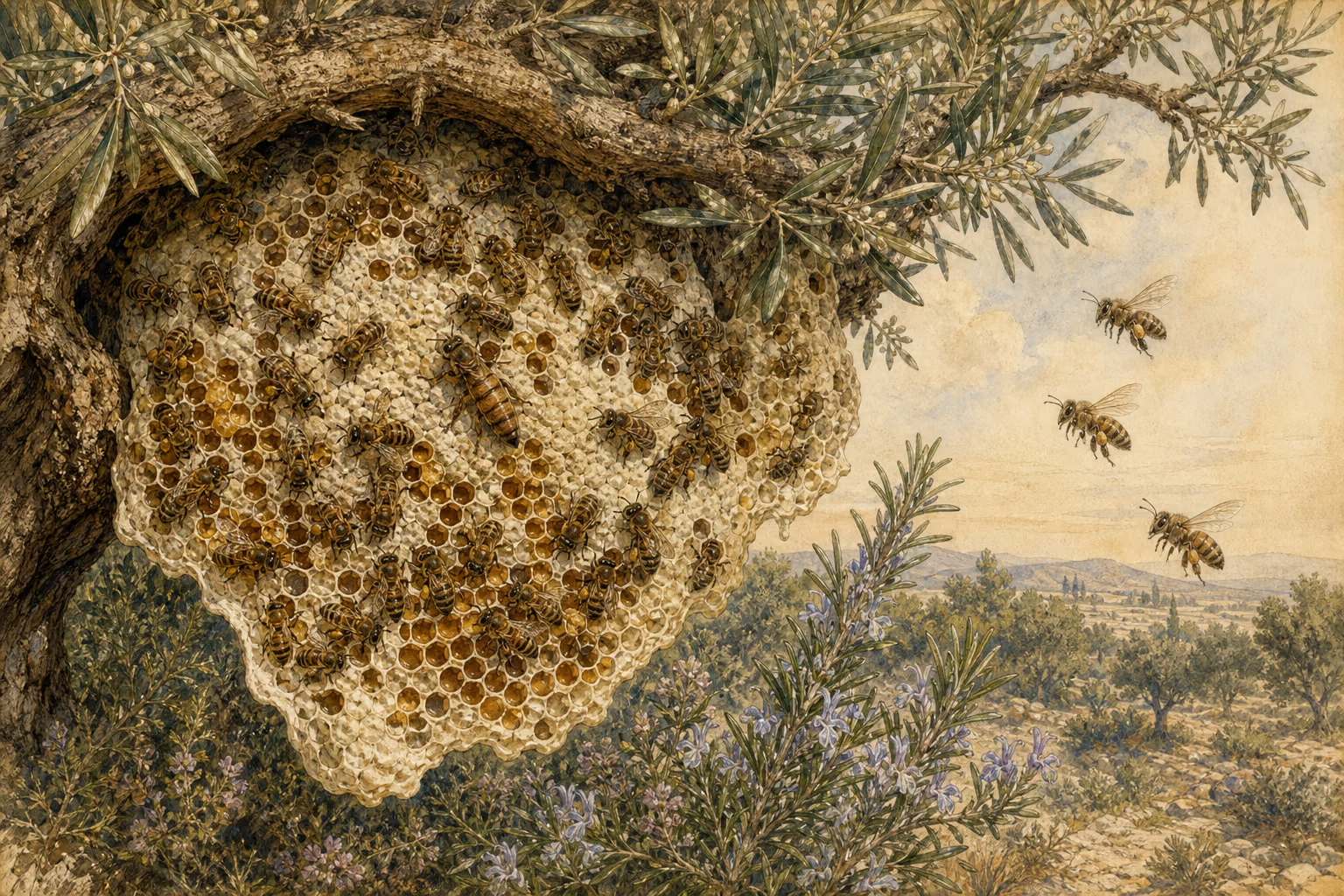
Sed inter omnia ea principatus apibus et iure praecipua admiratio, solis ex eo genere hominum causa genitis. mella contrahunt sucumque dulcissimum atque subtilissimum ac saluberrimum, favos confingunt et ceras mille ad usus vitae, laborem tolerant, opera conficiunt, rem publi- cam habent, consilia privatim quoque, at duces gregatim et, quod maxime mirum sit, mores habent praeter cetera, cum sint neque mansueti generis neque feri. tanta est natura rerum, ut prope ex umbra minima animalis incomparabile effecerit quiddam. quos efficaciae industriaeque tantae comparemus nervos, quas vires? quos ratione medius fidius iis viros, hoe certe praestantioribus, quod nihil novere nisi commune? non sit de anima quaestio, constet et de sanguine, quantulum tamen esse in tantulis potest? aestimemus post ea ingenium.
English · Bostock & Riley 1855–57
But among them all, the first rank, and our especial admiration, ought, in justice, to be accorded to bees, which alone, of all the insects, have been created for the benefit of man. They extract honey and collect it, a juicy substance remarkable for its extreme sweetness, lightness, and wholesomeness. They form their combs and collect wax, an article that is useful for a thousand purposes of life; they are patient of fatigue, toil at their labours, form themselves into political communities, hold councils together in private, elect chiefs in common, and, a thing that is the most remarkable of all, have their own code of morals. In addition to this, being as they are, neither tame nor wild, so all-powerful is Nature, that, from a creature so minute as to be nothing more hardly than the shadow of an animal, she has created a marvel beyond all comparison. What muscular power, what exertion of strength are we to put in comparison with such vast energy and such industry as theirs? What display of human genius, in a word, shall we compare with the reasoning powers manifested by them? In this they have, at all events, the advantage of us—they know of nothing but what is for the common benefit of all. Away, then, with all questions whether they respire or no, and let us be ready to agree on the question of their blood; and yet, how little of it can possibly exist in bodies so minute as theirs.—And now let us form some idea of the instinct they display.