LIBER XVI · CAPUT 20
TREES WHICH DO NOT LOSE THEIR FOLIAGE. THE RHODODENDRON. TREES WHICH DO NOT LOSE THE WHOLE OF THEIR FOLIAGE. PLACES IN WHICH THERE ARE NO TREES
Latine · Mayhoff 1906
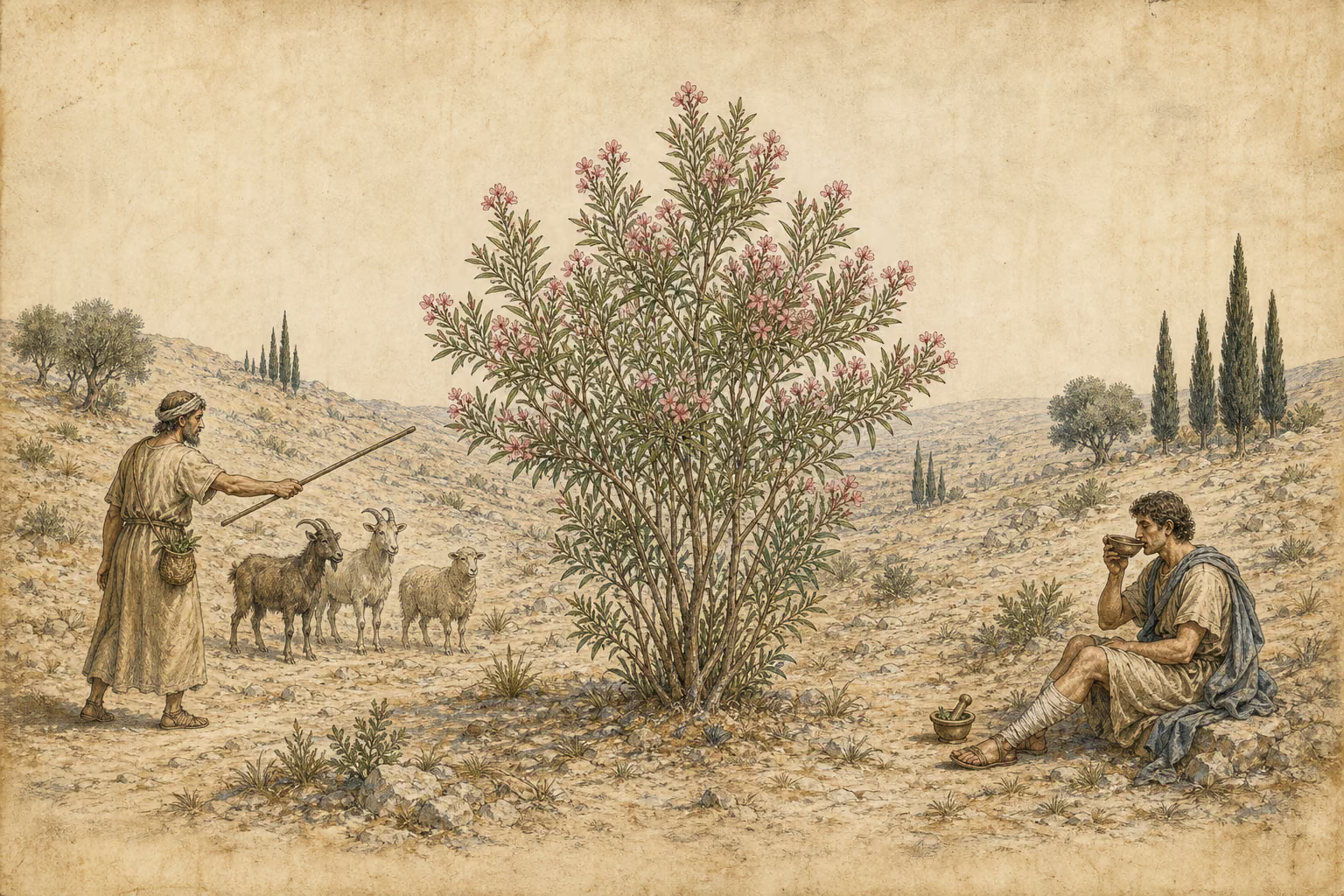
Harum generis non decidunt oleae, lauro, palmae, myrto, cupressis, pinis, hederae, rhododendro et, quamvis herba dicatur, sabinae. rhododendron, ut nomine apparet, a Graecis venit. alii nerium vocarunt, alii rhododaphnen, sempiternum fronde, rosae similitudine, caulibus fruticosum. iumentis caprisque et ovibus venenum est, idem homini contra serpentium venena remedio.
English · Bostock & Riley 1855–57
Belonging to this last class, there are the following trees which do not lose their leaves: the olive, the laurel, the palm, the myrtle, the cypress, the pine, the ivy, the rhododendron, and, although it may be rather called a herb than a tree, the savin. The rhododendron, as its name indicates, comes from Greece. By some it is known as the nerium, and by others as the rhododaphne. It is an evergreen, bearing a strong resemblance to the rose-tree, and throwing out numerous branches from the stem; to beasts of burden, goats, and sheep it is poisonous, but for man it is an antidote against the venom of serpents.