LIBER II · CAPUT 77
OF THE MODE IN WHICH THE DAYS ARE COMPUTED
Latine · Mayhoff 1906
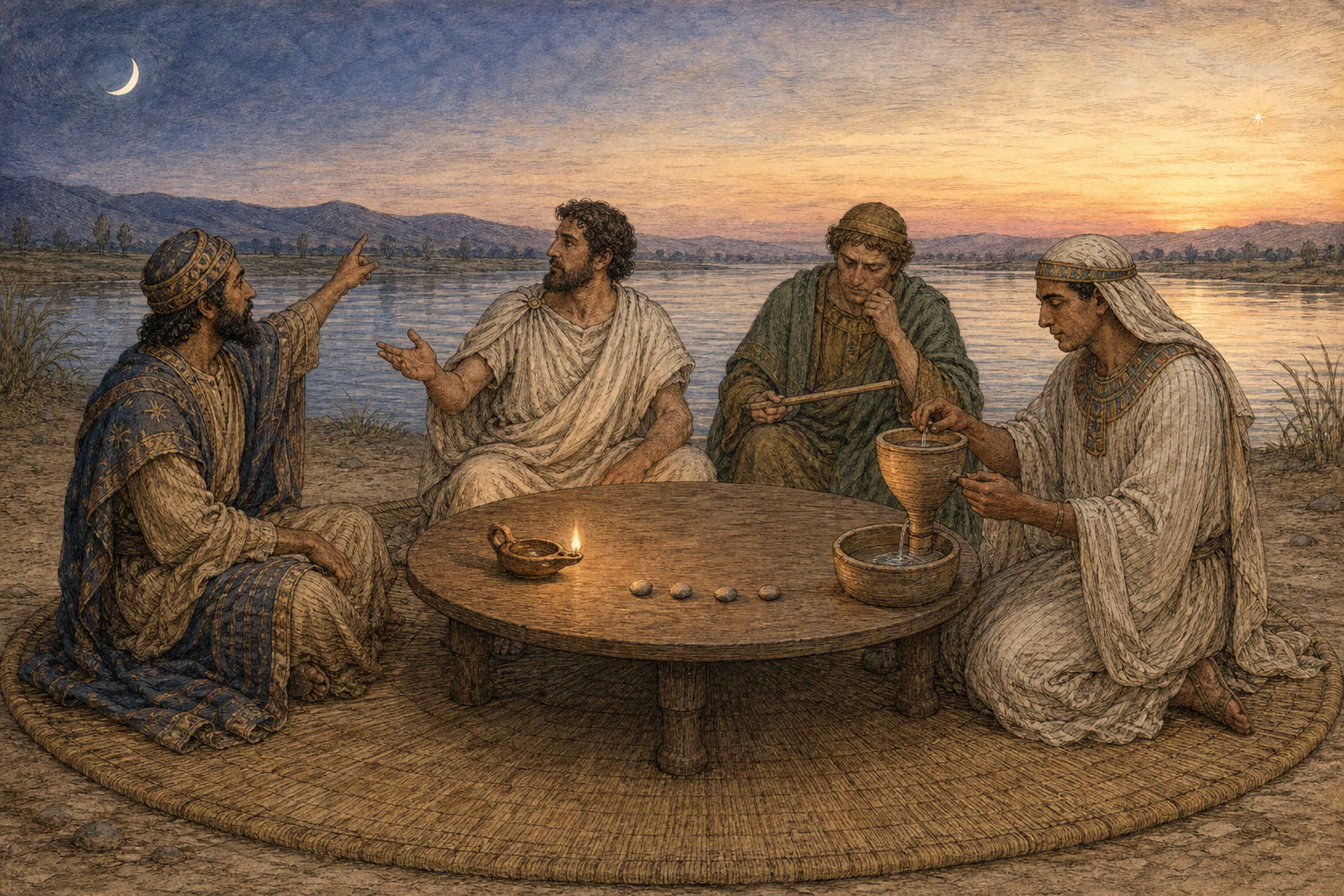
Ipsum diem alii aliter observavere: Babylonii inter duos solis exortus, Athenienses inter duos occasus, Vmbri a meridie ad meridiem, vulgus omne a luce ad tenebras, sacerdotes Romani et qui diem finiere civilem, item Aegyptii et Hipparchus a media nocte in mediam. minora autem intervalla esse lucis inter ortus solis iuxta solstitia quam aequinoctia apparet, quia positio signiferi circa media sui obliquior est, iuxta solstitium autem rectior.
English · Bostock & Riley 1855–57
The days have been computed by different people in different ways. The Babylonians reckoned from one sunrise to the next; the Athenians from one sunset to the next; the Umbrians from noon to noon; the multitude, universally, from light to darkness; the Roman priests and those who presided over the civil day, also the Egyptians and Hipparchus, from midnight to midnight. It appears that the interval from one sunrise to the next is less near the solstices than near the equinoxes, because the position of the zodiac is more oblique about its middle part, and more straight near the solstice.