LIBER II · CAPUT 98
WONDERS OF THE SEA
Latine · Mayhoff 1906
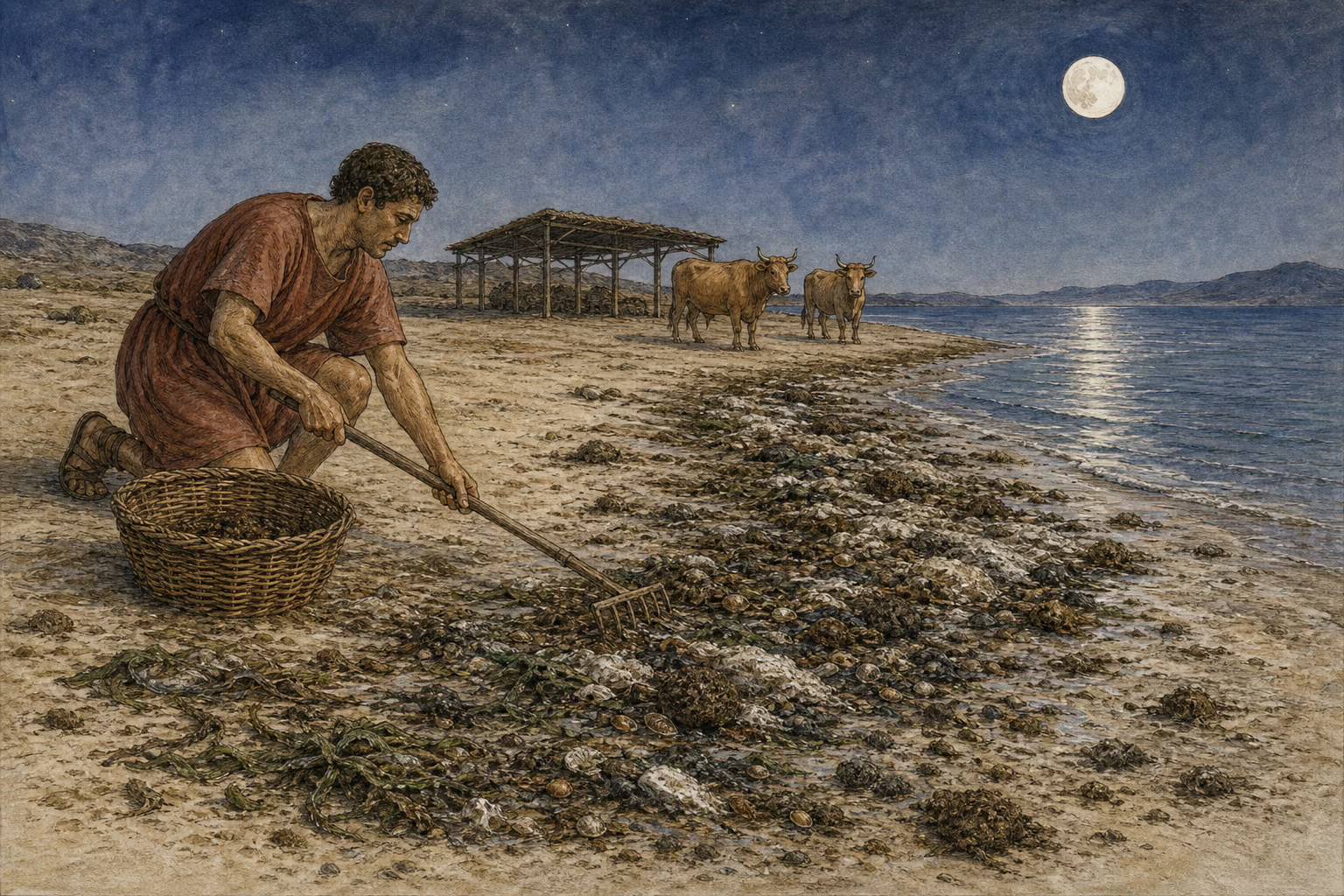
Omnia plenilunio maria purgantur, quaedam et stato tempore. circa Messanam et Mylas fimo similia expuuntur in litus purgamenta, unde fabula est Solis boves ibi stabulari. his addit — ut nihil, quod equidem noverim, praeteream — Aristoteles nullum animal nisi aestu recedente expirare. observatum id multis in Gallico oceano et dumtaxat in homine compertum.
English · Bostock & Riley 1855–57
All seas are purified at the full moon; some also at stated periods. At Messina and Mylæ a refuse matter, like dung, is cast up on the shore, whence originated the story of the oxen of the Sun having had their stable at that place. To what has been said above (not to omit anything with which I am acquainted) Aristotle adds, that no animal dies except when the tide is ebbing. The observation has been often made on the ocean of Gaul; but it has only been found true with respect to man.