LIBER XXIV · CAPUT 18
THE ERIPHIA
Latine · Mayhoff 1906
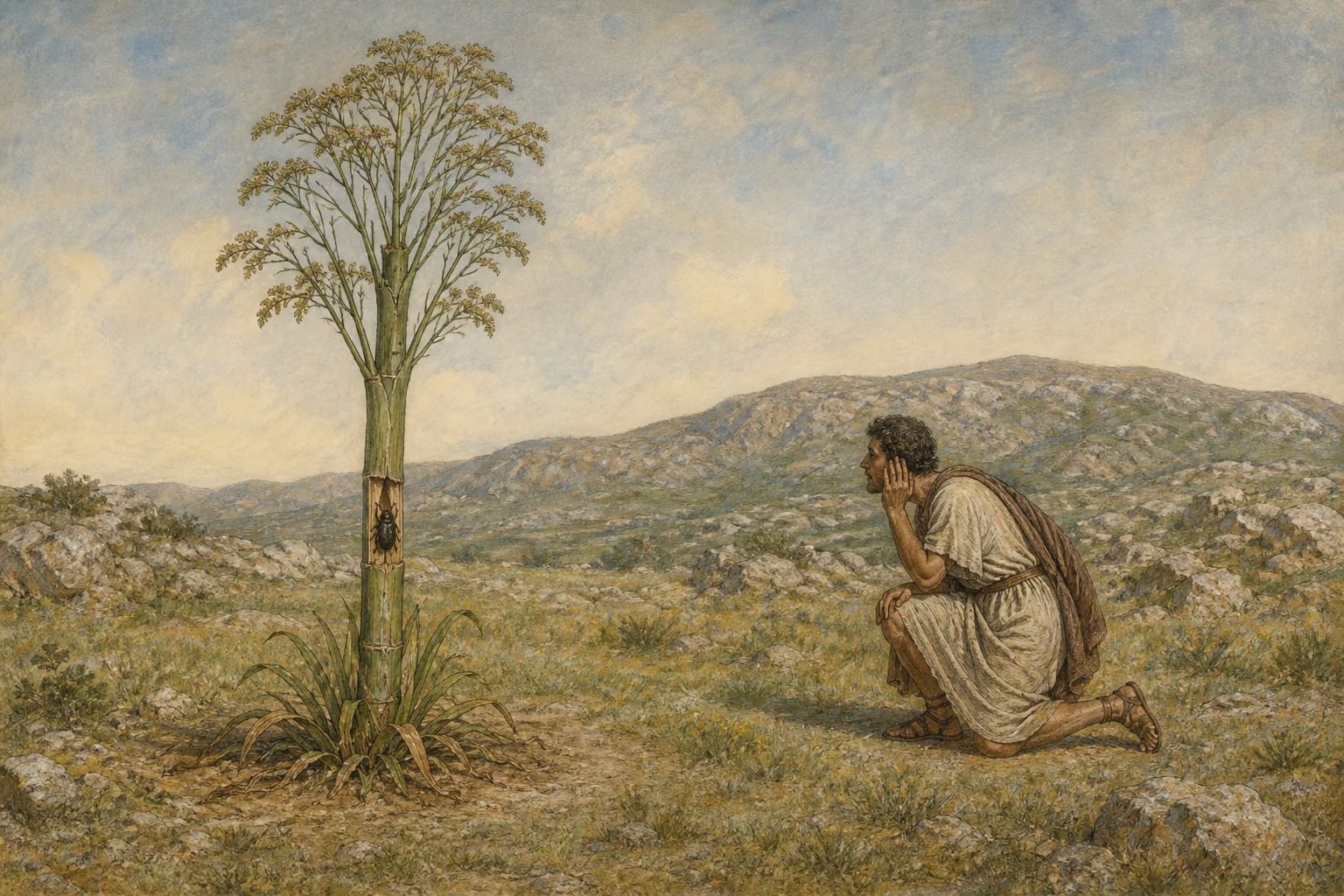
Eriphiam multi prodidere. scarabaeum haec in avena habet sursum deorsum decurrentem cum sono haedi, unde et nomen accepit. hac ad vocem nihil praestantius esse tradunt.
Herba lanaria ovibus ieiunis data lactis abundantiam facit.—Aeque nota lactoris vulgo est, plena lactis quod degustatum vomitiones concitat. eandem hanc aliqui esse dicunt, alii similem illi, quam militarem vocant, quoniam vulnus ferro factum nullum non intra dies v sanet ex oleo inposita.
Celebratur autem et a Graecis stratiotes, sed ea in Aegypto tantum et inundatione Nili nascitur, aizoo similis, ni maiora haberet folia. refrigerat mire et vulnera sanat ex aceto inlita, item ignes sacros et suppurationes. sanguinem quoque, qui defluit a renibus, pota cum ture masculo mirifice sistit.
English · Bostock & Riley 1855–57
Many authors have made mention of the eriphia, a plant which contains a kind of beetle in its hollow stem. This beetle is continually ascending the interior of the stalk, and as often descending, while it emits a sound like the cry of a kid; a circumstance to which the plant is indebted for its name. There is nothing in existence, they say, more beneficial to the voice.
The wool plant, given to sheep fasting, greatly increases the milk. The plant commonly called lactoris, is equally well known: it is full of a milky juice, the taste of which produces vomiting. Some persons say that this is identical with, while others say that it only resembles, the plant known as “militaris,” from the fact that, applied with oil, it will effect the cure, within five days, of any wound that has been inflicted with iron.
The Greeks speak in high terms also of the stratiotes, though that is a plant which grows in Egypt only, and during the inundations of the river Nilus. It is similar in appearance to the aizoön, except that the leaves are larger. It is of a remarkably cooling nature, and, applied with vinegar, it heals wounds, as well as erysipelas and suppurations. Taken in drink with male frankincense, it is marvellously useful for discharges of blood from the kidneys.