LIBER IV · CAPUT 10
MACEDONIA
Latine · Mayhoff 1906
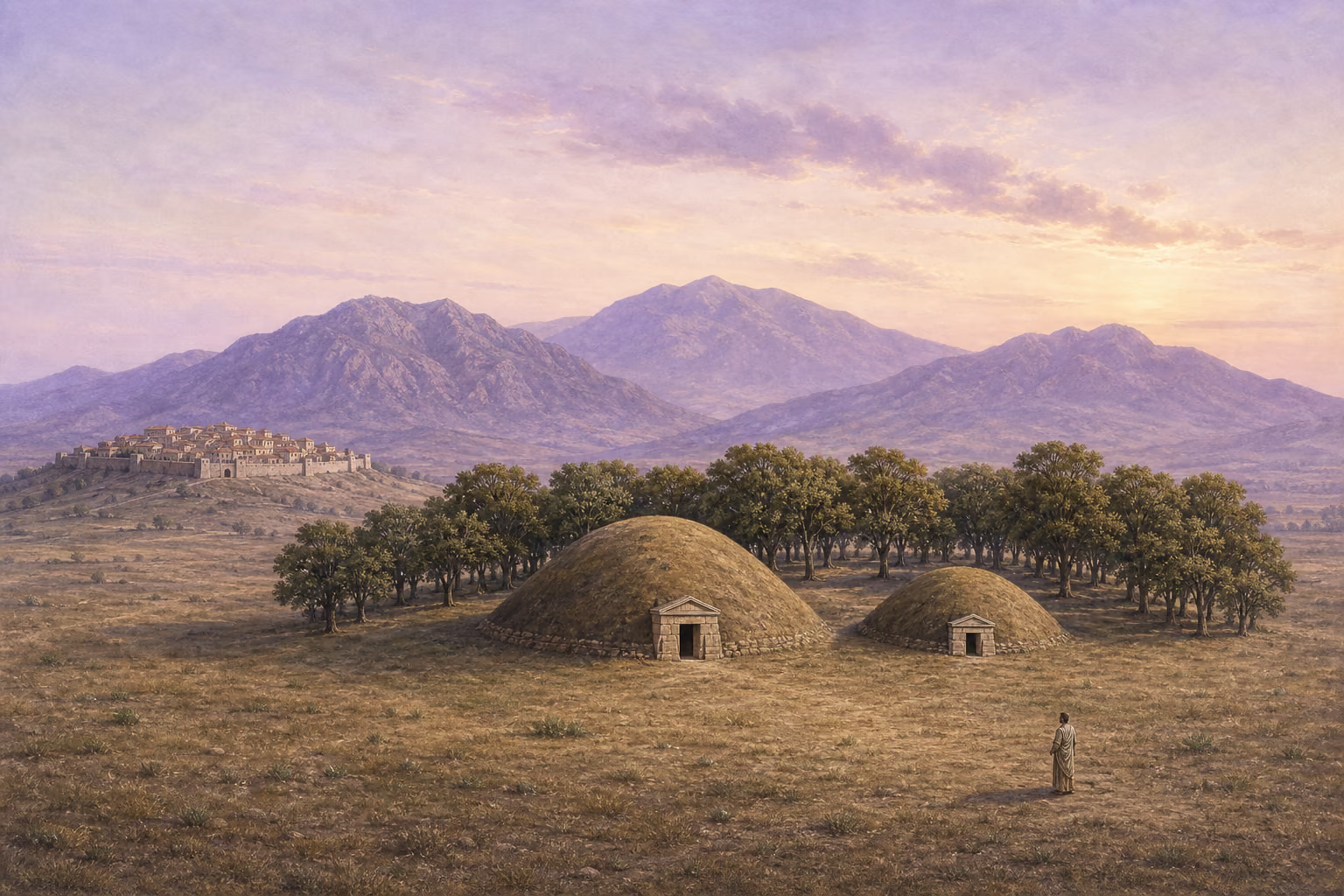
Macedonia postea CL populorum, duobus 33 incluta regibus quondamque terrarum imperio, Emathia antea dicta. haec ad Epiroticas gentes in solis occasum recedens post terga Magnesiae atque Thessaliae infestatur a Dardanis; partem eius septentrionalem Paeonia ac Pelagonia protegunt a Triballis. oppida Aegae, in quo sepeliri mos reges, Beroea et in regione, quae Pieria appellatur a nemore, Aeginium. in ora Heraclea, flumen Apilas, oppida Pydna, Aloros, amnis Haliacmon. intus Aloritae, Vallaei, Phylacaei, Cyrrestae, Tyrissaei, Pella colonia, oppidum Stobi civium Romanorum, mox Antigonea, Europus ad Axium amnem, eodemque nomine per quod Rhoedias fluit, Scydra, Eordaea, Mieza, Gordyniae. mox in ora Ichnae, fluvius Axius. ad hunc fine Dardani,Treres, Pieres Macedoniam accolunt. ab hoc amne Paeoniae gentes Paraxiaei, Eordenses, Almopi, Pelagones, Mygdones. montes Rhodope, Scopius, Orbelus. dein praeiacente gremio terrarum Arethusii, Antiochienses, Idomenenses, Doberi, Aestrienses, Allantenses, Audaristenses, Morylli, Garresci, Lyncestae, Othryonei et liberi Amantini atque Orestae, coloniae Bullidenses et Dienses, Xylopolitae, Scotusaei liberi, Heraclea Sintica, Tymphaei, Toronaei.
In ora sinus Macedonica oppidum Chalastra et intus Piloros, Lete medioque litoris flexu Thessalonice liberae condicionis — ad hanc a Dyrrhachio CCXLV —, Therme in Thermaico sinu, oppida Dicaea, Palinandrea, Scione, promunturium Canastraeum, oppida Pallene, Phlegra. qua in regione montes Hypsizonus, Epytus, Alcyon, Elaeuomne, oppida Nissos, Phryxelon, Mendae et in Pallenensi Isthmo quondam Potidaea, nunc Cassandrea colonia, Anthemus, Olophyxus, sinus Mecyberna, oppida Myscella, Ampelos, Torone, Siggos, Stolos, fretum, quo montem Atho Xerxes Persarum rex continenti abscidit in longitudinem passuum MD. mons ipse a planitie excurrit in mariaLXXV passuum, ambitus radicis CL colligit. oppidum in cacumine fuit Acrothoon; nunc sunt Vranopolis, Palaehorium, Thyssus, Cleonae, Apollonia, cuius incolae Macrobii cognominantur. oppidum Cassera faucesque alterae Isthmi, Acanthus, Stagira, Sithone, Heraclea et regio Mygdoniae subiacens, in qua recedentes a mari Apollonia, Arethusa. in ora rursus Posidium et sinus cum oppido Cermoro, Amphipolis liberum, gens Bisaltae. dein Macedoniae terminus amnis Strymon, ortus in Haemo. memorandum in septem lacus eum fundi, priusquam derigat cursum.
Haec est Macedonia terrarum imperio potita quondam, haec Asiam, Armeniam, Hiberiam, Albaniam, Cappadociam, Syriam, Aegyptum, Taurum, Caucasum transgressa, haec in Bactris, Medis, Persis dominata toto oriente possesso, haec etiam Indiae victrix per vestigia Liberi Patris atque Herculis vagata. haec eadem est Macedonia, cuius uno die Paulus Aemilius imperator noster LXXII urbes direptas vendidit. tantam differentiam sortis praestitere duo homines!
English · Bostock & Riley 1855–57
Macedonia comes next, including 150 nations, and renowned for its two kings and its former empire over the world; it was formerly known by the name of Emathia. Stretching away towards the nations of Epirus on the west it lies at the back of Magnesia and Thessaly, being itself exposed to the attacks of the Dardani. Pæonia and Pelagonia protect its northern parts from the Triballi. Its towns are Ægiæ, at which place its kings were usually buried, Beræa, and, in the country called Pieria from the grove of that name, Æginium. Upon the coast are Heraclea, the river Apilas, the towns of Pydna and Aloros, and the river Haliacmon. In the interior are the Aloritæ, the Vallæi, the Phylacæi, the Cyrrhestæ, the Tyrissæi, the colony of Pella, and Stobi, a town with the rights of Roman citizens. Next comes Antigonea, Europus upon the river Axius, and another place of the same name by which the Rhœdias flows, Scydra, Eordæa, Mieza, and Gordyniæ. Then, upon the coast, Ichnæ, and the river Axius; along this frontier the Dardani, the Treres, and the Pieres, border on Macedonia. Leaving this river, there are the nations of Pæonia, the Paroræi, the Eordenses, the Almopii, the Pelagones, and the Mygdones.
Next come the mountains of Rhodope, Scopius, and Orbelus; and, lying along the extent of country in front of these mountains, the Arethusii, the Antiochienses, the Idomenenses, the Doberi, the Æstræenses, the Allantenses, the Audaristenses, the Morylli, the Garesci, the Lyncestæ, the Othryonei, and the Amantini and Orestæ, both of them free peoples; the colonies of Bullis and Dium, the Xylopolitæ, the Scotussæi, a free people, Heraclea Sintica, the Tymphæi, and the Toronæi.
Upon the coast of the Macedonian Gulf there are the town of Chalastra, and, more inland, Piloros; also Lete, and at the extreme bend of the Gulf, Thessalonica, a free city; (from this place to Dyrrhachium it is 245 miles,) and then Thermæ. Upon the Gulf of Thermæ are the towns of Dicæa, Pydna, Derra, Scione, the Promontory of Canastræum, and the towns of Pallene and Phlegra. In this region also are the mountains Hypsizorus, Epitus, Halcyone, and Leoomne; the towns of Nyssos, Phryxelon, Mendæ, and what was formerly Potidæa on the isthmus of Pallene, but now the Colony of Cassandria; Anthemus, Olophyxus, and the Gulf of Mecyberna; the towns of Miscella, Ampelos, Torone, Singos, and the canal, a mile and a half in length, by means of which Xerxes, king of the Persians, cut off Mount Athos from the main land. This mountain projects from the level plain of the adjacent country into the sea, a distance of seventy-five miles; its circumference at its base being 150 miles in extent. There was formerly upon its summit the town of Acroathon: the present towns are Uranopolis, Palæorium, Thyssus, Cleonæ, and Apollonia, the inhabitants of which have the surname of Macrobii. The town also of Cassera, and then the other side of the Isthmus, after which come Acanthus, Stagira, Sithone, Heraclea, and the country of Mygdonia that lies below, in which are situate, at some distance from the sea, Apollonia and Arethusa. Again, upon the coast we have Posidium, and the bay with the town of Cermorus, Amphipolis, a free town, and the nation of the Bisaltæ. We then come to the river Strymon which takes its rise in Mount Hæmus and forms the boundary of Macedonia: it is worthy of remark that it first discharges itself into seven lakes before it proceeds onward in its course.
Such is Macedonia, which was once the mistress of the world, which once extended her career over Asia, Armenia, Iberia, Albania, Cappadocia, Syria, Egypt, Taurus, and Caucasus, which reduced the whole of the East under her power, and triumphed over the Bactri, the Medes, and the Persians. She too it was who proved the conqueror of India, thus treading in the footsteps of Father Liber and of Hercules; and this is that same Macedonia, of which our own general Paulus Æmilius sold to pillage seventy-two cities in one day. So great the difference in her lot resulting from the actions of two individuals!