LIBER X · CAPUT 20
THE PEACOCK
Latine · Mayhoff 1906
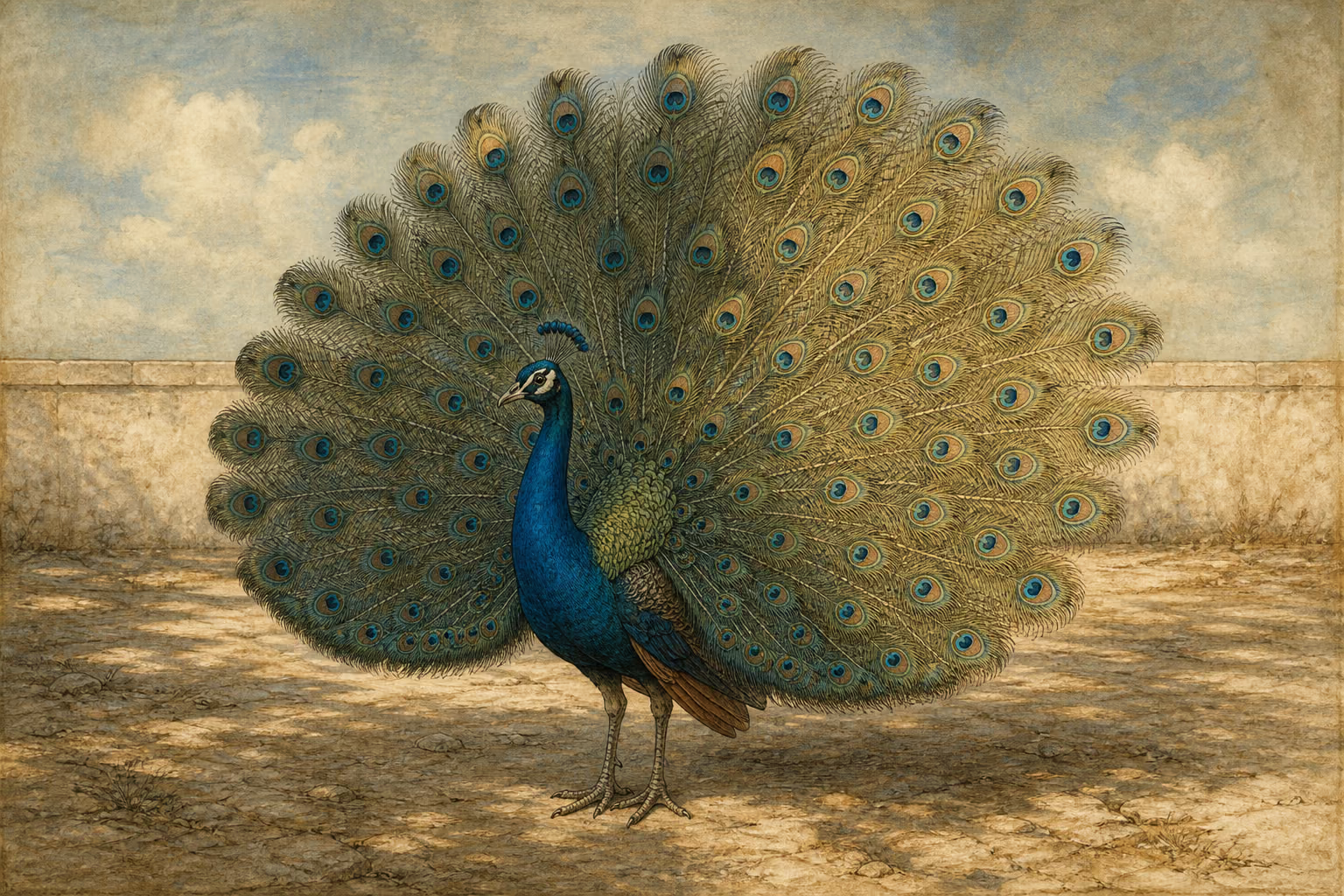
Nunc de secundo genere dicamus, quod in duas dividitur species, oscines et alites. illarum generi cantus oris, his magnitudo differentiam dedit; itaque praecedent et ordine, omnesque reliquas in iis pavonum genus cum forma tum intellectu eius et gloria. gemmantes laudatus expandit colores, adverso maxime sole, quia sic fulgentius radiant. simul umbrae quosdam repercussus ceteris, qui et in opaco clarius micant, conchata quaerit cauda omnesque in acervum contrahit pinnarum quos spectari gaudet oculos. idem cauda annuis vicibus amissa cum foliis arborum, done renascatur alia cum flore, pudibundus ac maerens quaerit latebram. vivit annis XXV. colores fundere incipit in trimatu. ab auctoribus non gloriosum tantum animal hoc traditur, sed et malivolum, sicut anserem verecundum, quoniam has quoque quidam addiderunt notas in iis, haut probatas mihi.
Pavonem cibi gratia Romae primus occidit orator Hortensius aditiali cena sacerdotii. saginare primus instituit circa novissimum piraticum bellum M. Aufidius Lurco exque eo quaestu reditus HS sexagena milia habuit.
English · Bostock & Riley 1855–57
We shall now speak of the second class of birds, which is divided into two kinds; those which give omens by their note, and those which afford presages by their flight. The variation of the note in the one, and the relative size in the other, constitute the differences between them. These last, therefore, shall be treated of first, and the peacock shall have precedence of all the rest, as much for its singular beauty as its superior instinct, and the vanity it displays.
When it hears itself praised, this bird spreads out its gorgeous colours, and especially if the sun happens to be shining at the time, because then they are seen in all their radiance, and to better advantage. At the same time, spreading out its tail in the form of a shell, it throws the reflection upon the other feathers, which shine all the more brilliantly when a shadow is cast upon them; then at another moment it will contract all the eyes depicted upon its feathers in a single mass, manifesting great delight in having them admired by the spectator. The peacock loses its tail every year at the fall of the leaf, and a new one shoots forth in its place at the flower season; between these periods the bird is abashed and moping, and seeks retired spots. The peacock lives twenty-five years, and begins to show its colours in the third. By some authors it is stated that this bird is not only a vain creature, but of a spiteful disposition also, just in the same way that they attribute bashfulness to the goose. The characteristics, however, which they have thus ascribed to these birds, appear to me to be utterly unfounded.
The orator Hortensius was the first Roman who had the peacock killed for table; it was on the occasion of the banquet given by him on his inauguration in the college of the priesthood. M. Aufidius Lurco was the first who taught the art of fattening them, about the time of the last war with the Pirates. From this source of profit he acquired an income of sixty thousand sesterces.