LIBER X · CAPUT 4
WHEN THE EAGLE WAS FIRST USED AS THE STANDARD OF THE ROMAN LEGIONS
Latine · Mayhoff 1906
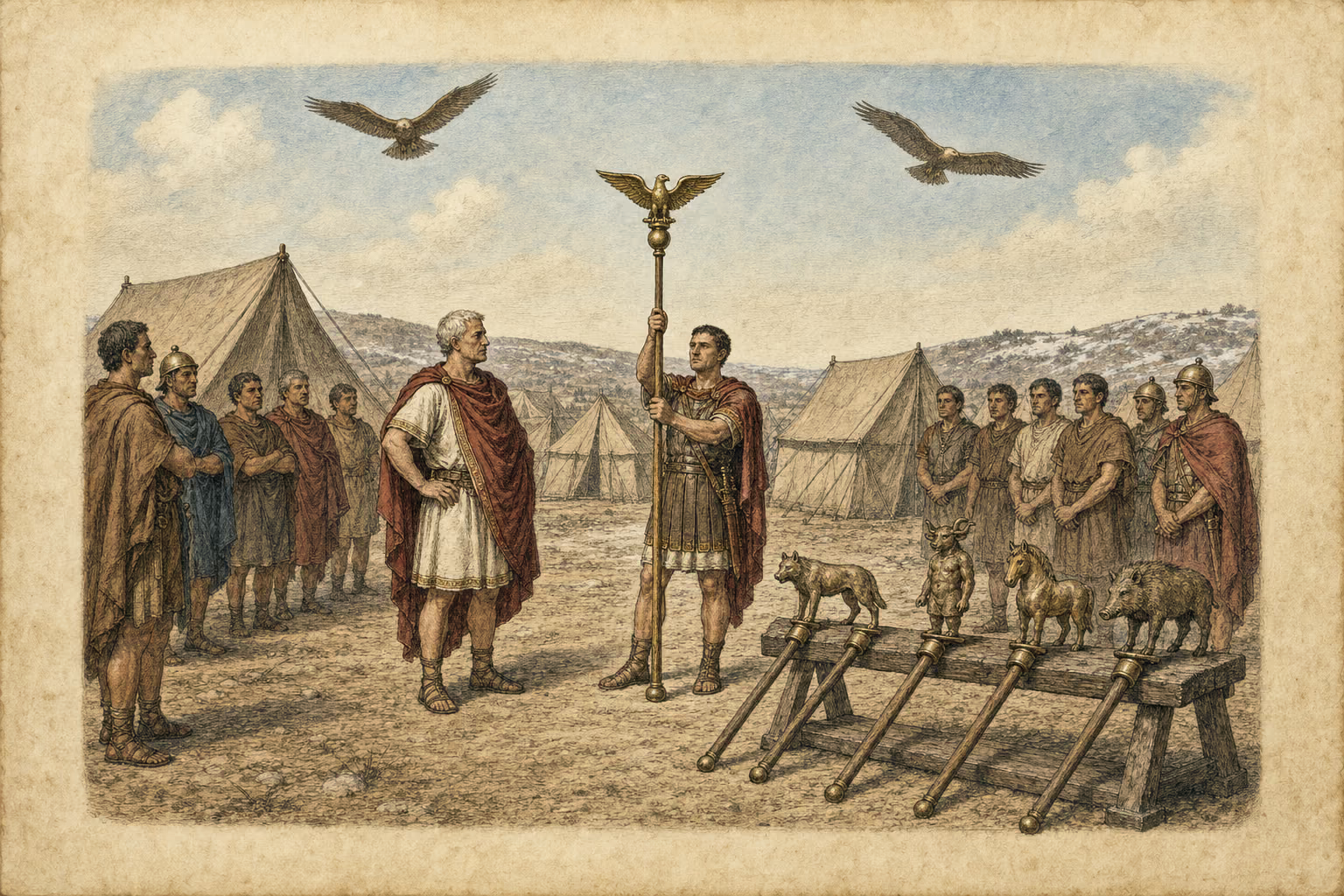
Romanis eam legionibus Gaius Marius in secundo consulatu suo proprie dicavit. erat et antea prima cum quattuor aliis: lupi, minotauri, equi aprique singulos ordines anteibant. paucis ante annis sola in aciem portari coepta erat, reliqua in castris relinquebantur; Marius in totum ea abdicavit. ex eo notatum, non fere legionis umquam hiberna esse castra ubi aquilarum non sit iugum.
Primo et secundo generi non minorum tantum quadripedum rapina, sed etiam cum cervis proelia. multum pulverem volutatu collectum iusidens cornibus excutit in oculos, pinnis verberans, donec praecipitet in rupes. nec unus hostis illi satis: est acrior cum dracone pugna multoque magis anceps, etiamsi in aëre. ova hic consectatur aquilae aviditate malefica. aquila ob hoc rapit ubicumque visum, ille multiplici nexu alas ligat, ita se inplicans, ut simul decidat ipse.
English · Bostock & Riley 1855–57
Caius Marius, in his second consulship, assigned the eagle exclusively to the Roman legions. Before that period it had only held the first rank, there being four others as well, the wolf, the minotaur, the horse, and the wild boar, each of which preceded a single division. Some few years before his time it had begun to be the custom to carry the eagle only into battle, the other standards being left behind in camp; Marius, however, abolished the rest of them entirely. Since then, it has been remarked that hardly ever has a Roman legion encamped for the winter, without a pair of eagles making their appearance at the spot.
The first and second species of eagle, not only prey upon the whole of the smaller quadrupeds, but will attack deer even. Rolling in the dust, the eagle covers its body all over with it, and then perching on the antlers of the animal, shakes the dust into its eyes, while at the same time it beats it on the head with its wings, until the creature at last precipitates itself down the rocks. Nor, indeed, is this one enemy sufficient for it; it has still more terrible combats with the dragon, and the issue is much more doubtful, although the battle is fought in the air. The dragon seeks the eggs of the eagle with a mischievous avidity; while the eagle, in return, carries it off whenever it happens to see it; upon these occasions, the dragon coils itself about the wings of the bird in multiplied folds, until at last they fall to the earth together.