LIBER X · CAPUT 51
WHO FIRST INVENTED AVIARIES. THE DISH OF ÆSOPUS
Latine · Mayhoff 1906
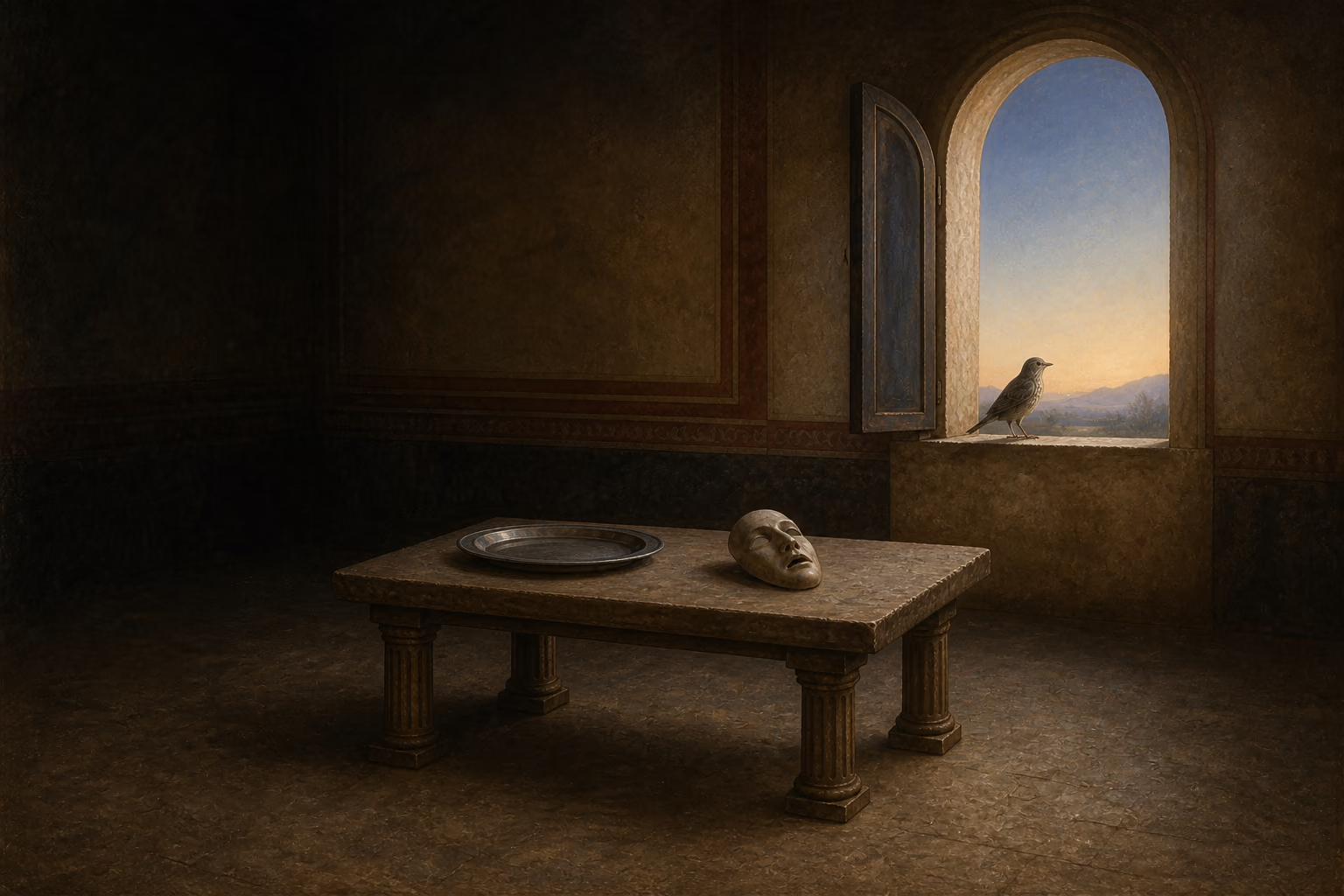
maxime tamen insignis est in hac memoria Clodii Aesopi, tragici histrionis, patina HS C; taxata, in qua posuit aves cantu aliquo aut humano sermone vocales, HSVI singulas coemptas, nulla alia inductus suavitate nisi ut iniis imitationem hominis manderet, ne quaestus quidem suos reveritus illos opimos et voce meritos, dignus prorsus filio, a quo devoratas diximus margaritas, non sic tamen, ut verum facere velim inter duos iudicium turpitudinis, nisi quod minus est summas rerum naturae opes quam hominum linguas cenasse.
English · Bostock & Riley 1855–57
But more remarkable than anything in this respect, is the story of the dish of Clodius Æsopus, the tragic actor, which was valued at one hundred thousand sesterces, and in which were served up nothing but birds that had been remarkable for their song, or their imitation of the human voice, and purchased, each of them, at the price of six thousand sesterces; he being induced to this folly by no other pleasure than that in these he might eat the closest imitators of man; never for a moment reflecting that his own immense fortune had been acquired by the advantages of his voice; a parent, indeed, right worthy of the son of whom we have already made mention, as swallowing pearls. It would not, to say the truth, be very easy to come to a conclusion which of the two was guilty of the greatest baseness; unless, indeed, we are ready to admit that it was less unseemly to banquet upon the most costly of all the productions of Nature, than to devour tongues which had given utterance to the language of man.