LIBER X · CAPUT 73
DIVERSITIES IN THE DRINKING OF ANIMALS
Latine · Mayhoff 1906
unum animal digitos habentium herba alitur, lepus; ea et fruge solidipedes, et e bisulcis sues omni cibatu et radicibus. solidipedum volutatio propria. serratorum dentium carnivora sunt omnia; ursi et fruge, fronde, vindemia, pomis vivunt et apibus, cancris etiam ac formicis; lupi, ut diximus, et terra in fame. pecus potu pinguescit, ideo sal illis aptissimus; item veterina, quamquam et fruge et herba, scilicet ut bibere, sic edunt. ruminant praeter iam dicta silvestrium cervi, cum a nobis aluntur, omnia autem iacentia potius quam stantia, et hieme magis quam aestate, septenis fere mensibus. Pontici quoque mures simili modo remandunt.
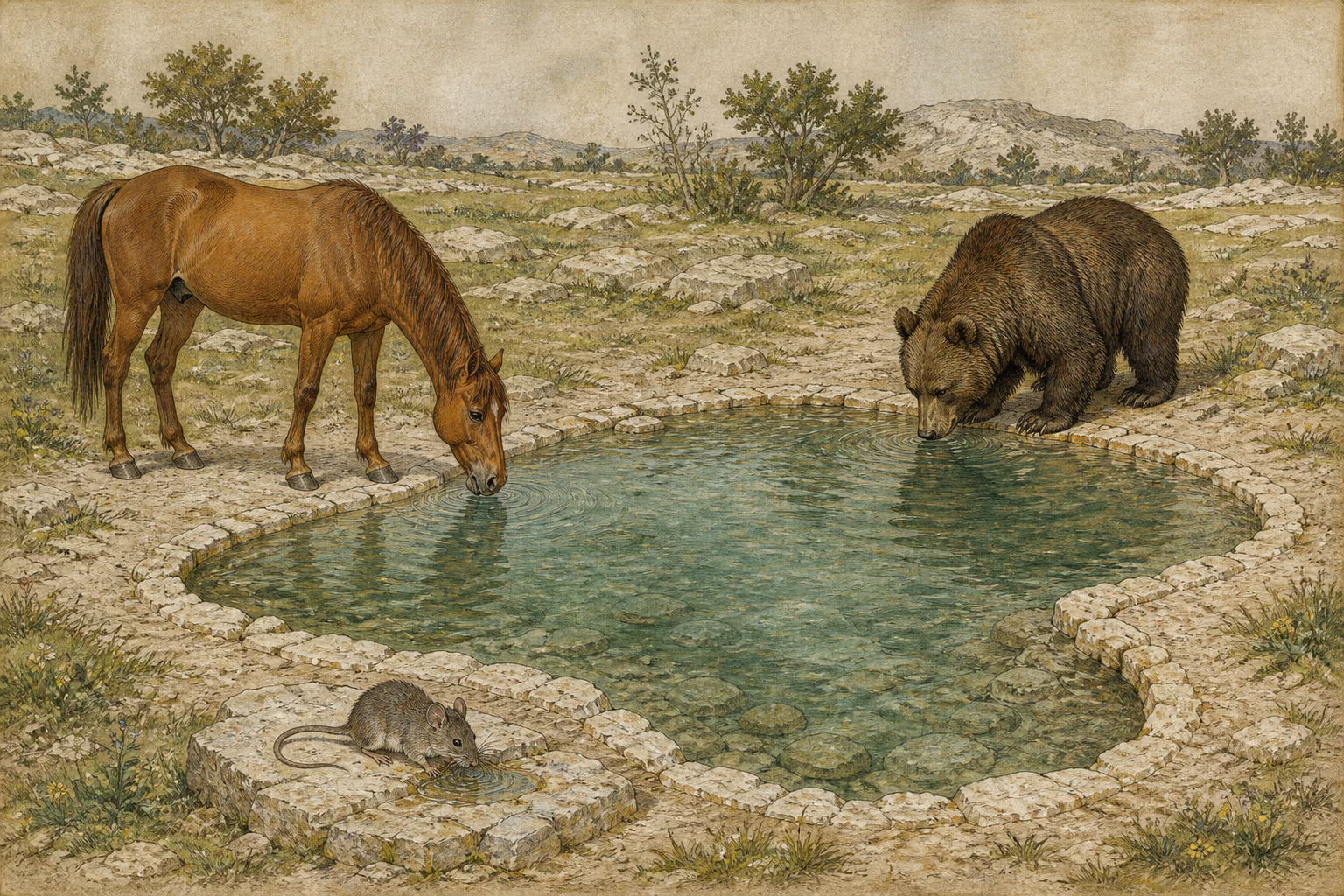
In potu autem, quibus serrati dentes, lambunt et mures hi vulgares, quamvis ex alio genere sint. quibus continui dentes, sorbent, ut equi, boves. neutrum ursi, sed aquam quoque morsu vorant. in Africa maior pars ferarum aestate non bibunt inopia imbrium, quam ob causam capti mures Libyci, si bibere, moriuntur. orygem perpetuo sitientia Africae generant ex natura loci potu carentem et mirabili modo ad remedia sitientium: namque Gaetuli latrones eo durant auxilio, repertis aperto corpore eorum saluberrimi liquoris vesicis.
Insidunt in eadem Africa pardi condensam arborem occultatique ex ramis in praetereuntia desiliunt atque e volucrum sede grassantur. feles quidem quo silentio, quam levibus vestigiis obrepunt avibus! quam occulte speculatae in musculos exiliunt! excrementa sua effossa obruunt terra, intellegentes odorem ilium indicem sui esse.
English · Bostock & Riley 1855–57
The only animal with toes upon the feet that feeds upon grass is the hare, which will eat corn as well; while the solid-hoofed animals, and the swine among the cloven-footed ones, will eat all kinds of food, as well as roots. To roll over and over is a peculiarity of the animals with a solid hoof. All those which have serrated teeth are carnivorous. Bears live also upon corn, leaves, grapes, fruit, bees, crabs even, and ants; wolves, as we have already stated, will eat earth even when they are famishing. Cattle grow fat by drinking; hence it is that salt agrees with them so well; the same is also the case with beasts of burden, although they live on corn as well as grass; but they eat just in proportion to what they drink. In addition to those already spoken of, among the wild animals, stags ruminate, when reared in a domesticated state. All animals ruminate lying in preference to standing, and more in winter than in summer, mostly for seven months in the year. The Pontic mouse also ruminates in a similar manner.
In drinking, those animals which have serrated teeth, lap; and common mice do the same, although they belong to another class. Those which have the teeth continuous, horses and oxen, for instance, sup; bears do neither the one nor the other, but seem to bite at the water, and so devour it. In Africa, the greater part of the wild beasts do not drink in summer, through the want of rain; for which reason it is that the mice of Libya, when caught, will die if they drink. The ever-thirsting plains of Africa produce the oryx, an animal which, in consequence of the nature of its native locality, never drinks, and which, in a remarkable manner, affords a remedy against drought: for the Gætulian bandits by its aid fortify themselves against thirst, by finding in its body certain vesicles filled with a most wholesome liquid. In this same Africa, also, the pards conceal themselves in the thick foliage of the trees, and then spring down from the branches on any creature that may happen to be passing by, thus occupying what are ordinarily the haunts of the birds. Cats too, with what silent stealthiness, with what light steps do they creep towards a bird! How slily they will sit and watch, and then dart out upon a mouse! These animals scratch up the earth and bury their ordure, being well aware that the smell of it would betray their presence.