LIBER XI · CAPUT 23
THE SILK-WORM OF COS—HOW THE COAN VESTMENTS ARE MADE
Latine · Mayhoff 1906
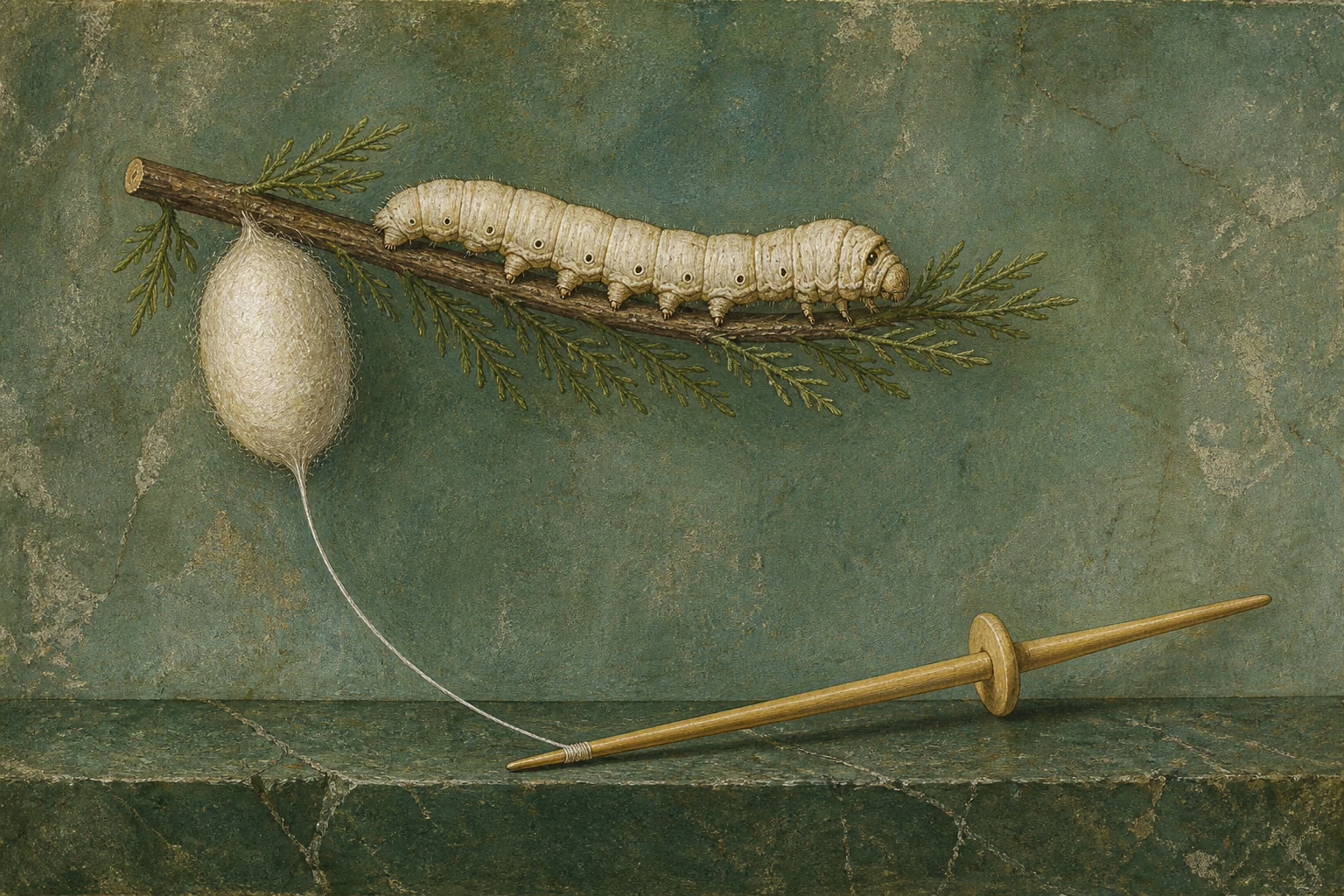
Bombycas et in Coo insula nasci tradunt cupressi, terebinthi, fraxini, quercus florem imbribus decussum terrae halitu animante. fieri autem primo papiliones parvos nudosque, mox frigorum inpatientia villis inhorrescere et adversus hiemem tunicas sibi instaurare densas, pedum asperitate radentes foliorum lanuginem. in vellera hanc ab iis cogi subigique unguium carminatione, mox trahi in tramas, tenuari ceu pectine, postea adprehensam corpori involvi nido volubili; tum ab homine tolli fictilibusque vasis tepore et furfurum esca nutiri, atque ita subnasci sui generis plumas, quibus vestitos ad alia pensa dimitti. quae vero capta sint lanitica, umore lentescere, mox in fila tenuari iunceo fuso. nec puduit has vestes usurpare etiam viros levitatem propter aestivam: in tantum a lorica gerenda discessere mores, ut oneri sit etiam vestis. Assyria tamen bombyce adhuc feminis cedimus.
English · Bostock & Riley 1855–57
The silk-worm, too, is said to be a native of the isle of Cos, where the vapours of the earth give new life to the flowers of the cypress, the terebinth, the ash, and the oak which have been beaten down by the showers. At first they assume the appearance of small butterflies with naked bodies, but soon after, being unable to endure the cold, they throw out bristly hairs, and assume quite a thick coat against the winter, by rubbing off the down that covers the leaves, by the aid of the roughness of their feet. This they compress into balls by carding it with their claws, and then draw it out and hang it between the branches of the trees, making it fine by combing it out as it were: last of all, they take and roll it round their body, thus forming a nest in which they are enveloped. It is in this state that they are taken; after which they are placed in earthen vessels in a warm place, and fed upon bran. A peculiar sort of down soon shoots forth upon the body, on being clothed with which they are sent to work upon another task. The cocoons which they have begun to form are rendered soft and pliable by the aid of water, and are then drawn out into threads by means of a spindle made of a reed. Nor, in fact, have the men even felt ashamed to make use of garments formed of this material, in consequence of their extreme lightness in summer: for, so greatly have manners degenerated in our day, that, so far from wearing a cuirass, a garment even is found to be too heavy. The produce of the Assyrian silk-worm, however, we have till now left to the women only.