LIBER XI · CAPUT 31
ANTS
Latine · Mayhoff 1906
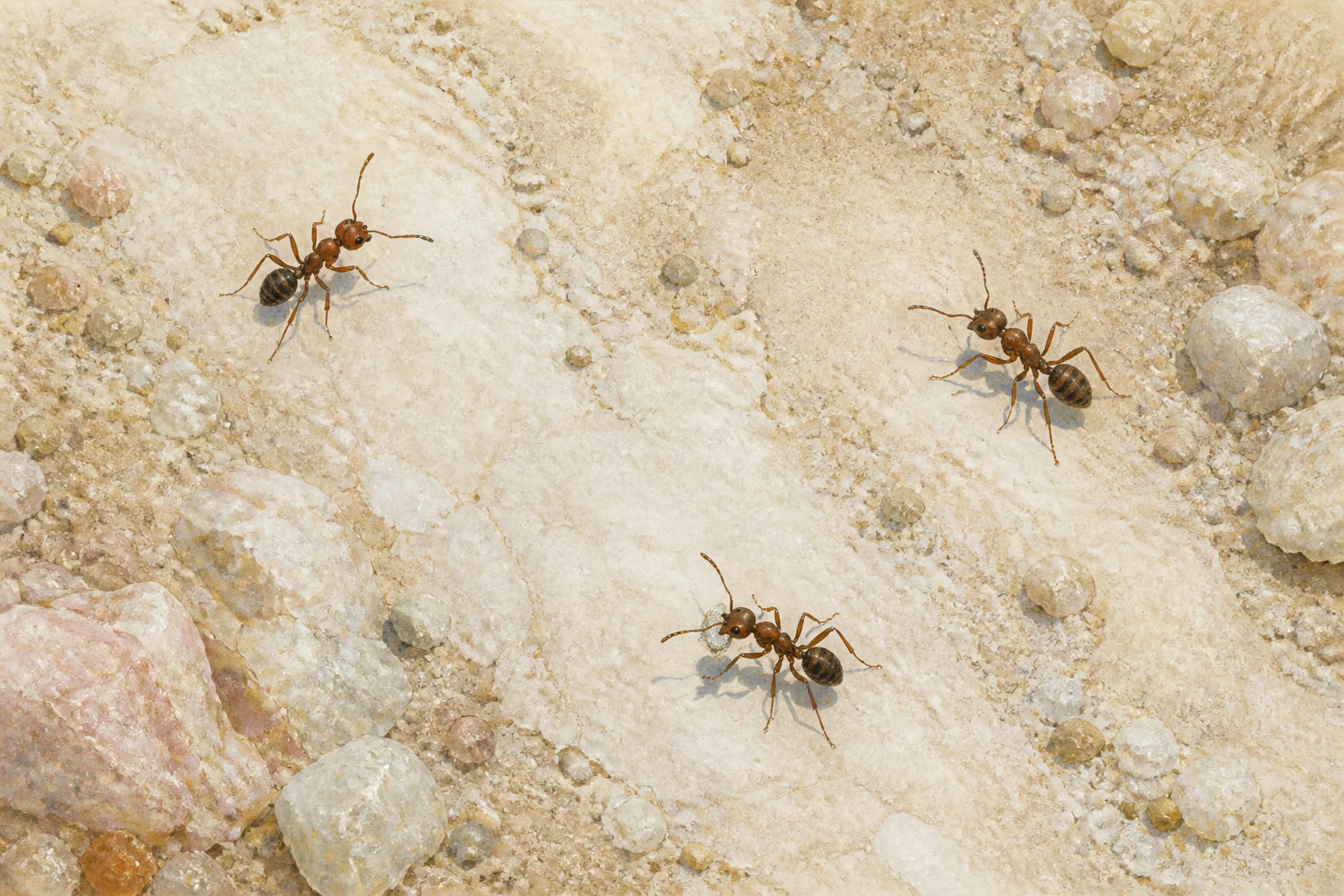
Indicae formicae cornua Erythris in aede Herculis fixa miraculo fuere. aurum hae cavernis egerunt terra in regione septentrionalium Indorum qui Dardae vocantur. ipsis color felium, magnitudo Aegypti luporum. erutum hoc ab iis tempore hiberno Indi furantur aestivo fervore, conditis propter vaporem in cuniculos formicis, quae tamen odore sollicitatae provolant crebroque lacerant quamvis praevelocibus camelis fugientes. tanta pernicitas feritasque est cum amore auri.
English · Bostock & Riley 1855–57
The horns of an Indian ant, suspended in the temple of Hercules, at Erythræ, have been looked upon as quite miraculous for their size. This ant excavates gold from holes, in a country in the north of India, the inhabitants of which are known as the Dardæ. It has the colour of a cat, and is in size as large as an Egyptian wolf. This gold, which it extracts in the winter, is taken by the Indians during the heats of summer, while the ants are compelled, by the excessive warmth, to hide themselves in their holes. Still, however, on being aroused by catching the scent of the Indians, they sally forth, and frequently tear them to pieces, though provided with the swiftest camels for the purpose of flight; so great is their fleetness, combined with their ferocity and their passion for gold!