LIBER XI · CAPUT 47
THE FEET OF BIRDS
Latine · Mayhoff 1906
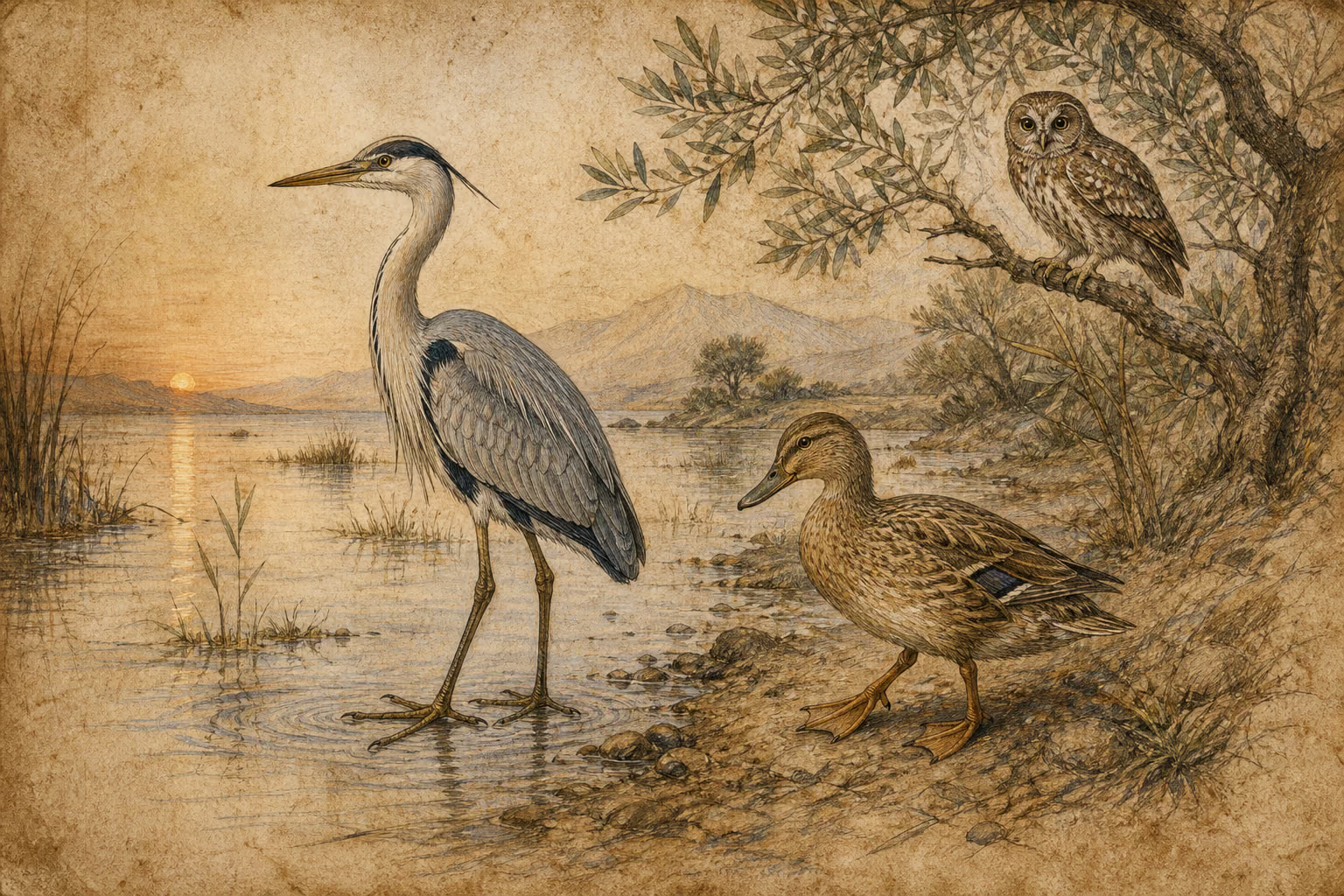
Avium aliae digitatae, aliae palmipedes, aliae inter utrumque, divisis digitis adiecta latitudine. sed omnibus quaterni digiti, tres in priore parte, unus a calce. hic deest quibusdam longa crura habentibus. iynx sola utrimque binos habet; eadem linguam serpentium similem in magnam longitudinem porrigit; collum circumagit in aversam se; ungues ei grandes ceu graculis. avium quibusdam gravioribus in cruribus additi radii, nulli uncos habentium ungues. longipedes porrectis ad caudam cruribus volant; quibus breves, contractis ad medium. qui negant volucrem ullam sine pedibus esse, confirmant et apodas habere, docent et drepanin, quae ex his rarissime apparet. — Visae iam et serpentes anserinis pedibus.—
English · Bostock & Riley 1855–57
Among birds, some have the feet divided into toes, while others, again, are broad and flatfooted—in others, which partake of the intermediate nature of both, the toes are divided, with a wide space between them. All birds, however, have four toes—three in front, and one on the heel; this last, however, is wanting in some that have long legs. The iynx is the only bird that has two toes on each side of the leg. This bird also protrudes a long tongue similar to that of the serpent, and it can turn the neck quite round and look backwards; it has great talons, too, like those of the jackdaw. Some of the heavier birds have spurs also upon the legs; but none of those have them which have crooked talons as well. The long-footed birds, as they fly, extend the legs towards the tail, while those that have short legs hold them contracted close to the middle of the body. Those authors who deny that there is any bird without feet, assert that those even which are called apodes, are not without them, as also the oce, and the drepanis, which last is a bird but very rarely seen. Serpents, too, have been seen with feet like those of the goose.