LIBER XIII · CAPUT 2
DIAPASMA, MAGMA; THE MODE OF TESTING UNGUENTS
Latine · Mayhoff 1906
Nunc dicetur cumulus ipse deliciarum et summa auctoritas rei. ergo regale unguentum, appellatum quoniam Parthorum regibus ita temperatur, constat myrobalano, costo, amomo, cinnamo comaco, cardamomo, nardi spica, maro, murra, casia, styrace, ladano, opobalsamo, calamo iuncoque Syriis, oenanthe, malolathro, serichato, cypro, aspalatho, panace, croco, cypiro, amaraco, loto, melle, vino. nihilque eius rei causa in Italia victrice omnium, in Europa vero tota praeter irim Illyricam et nardum Gallicum gignitur. nam vinum et rosa et myrti folia oleumque communia fere omnium terrarum intellegantur.
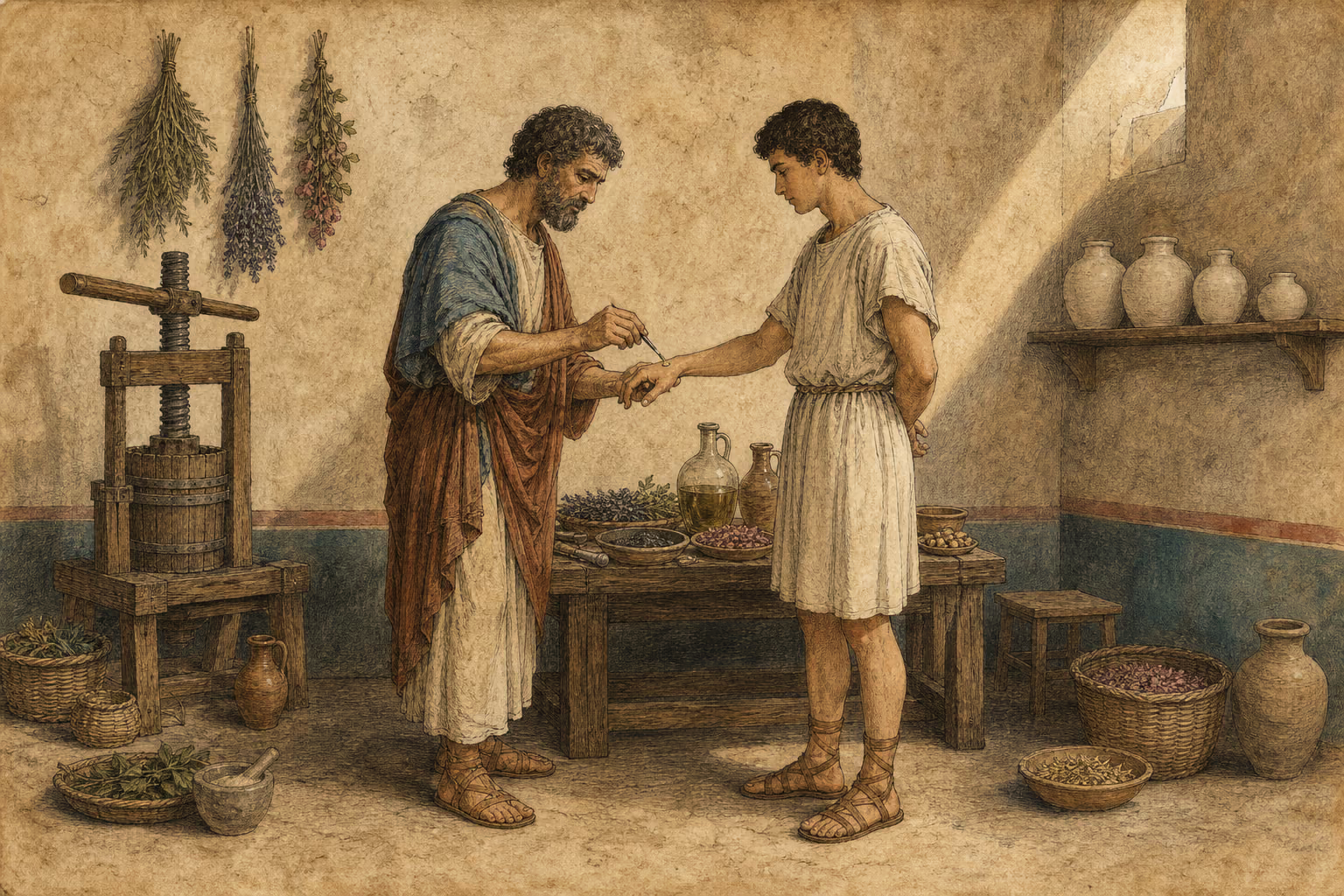
Siccis odoribus constant quae diapasmata vocantur. nam faecem unguenti magma appellant. inter omnes potentissimus odor quisquis novissime additur. unguenta optime servantur in alabastris, odores in oleo, quod diuturnitati eorum tanto utilius quanto pinguius, ut ex amygdalis. et ipsa unguenta vetustate meliora. sol inimicus iis, quam ob rem in umbra conduntur plumbeis vasis. experimentum eorum inversa manu capitur, ne carnosae partis calor vitiet.
English · Bostock & Riley 1855–57
This is what is called the “regal” unguent, from the fact that it is composed in these proportions for the kings of the Parthians. It consists of myrobalanus, costus, amomum, cinnamon, comacum, cardamum, spikenard, marum, myrrh, cassia, storax, ladanum, opobalsamum, Syrian calamus and Syrian sweet-rush, œnanthe, malobathrum, serichatum, cyprus, aspralathus, panax, saffron, cypirus, sweet marjoram, lotus, honey, and wine. Not one of the ingredients in this compound is produced either in Italy, that conqueror of the world, or, indeed, in all Europe, with the exception of the iris, which grows in Illyricum, and the nard, which is to be found in Gaul: as to the wine, the rose, the leaves of myrtle, and the olive-oil, they are possessed by pretty nearly all countries in common.
Those unguents which are known by the name of “diapasma,” are composed of dried perfumes. The lees of unguents are known by the name of “magma. ” In all these preparations the most powerful perfume is the one that is added the last of all. Unguents keep best in boxes of alabaster, and perfumes when mixed with oil, which conduces all the more to their durability the thicker it is, such as the oil of almonds, for instance. Unguents, too, improve with age; but the sun is apt to spoil them, for which reason they are usually stowed away in a shady place in vessels of lead. When their goodness is being tested, they are placed on the back of the hand, lest the heat of the palm, which is more fleshy, should have a bad effect upon them.