LIBER XVI · CAPUT 1
WONDERS CONNECTED WITH TREES IN THE NORTHERN REGIONS
Latine · Mayhoff 1906
Pomiferae arbores quaeque mitioribus sucis voluptatem primae cibis attulerunt et necessario alimento delicias miscere docuerunt, sive illae ultro ab homine didicere blandos sapores adoptione et conubio—idque munus etiam feris volucribusque dedimus—, intra praedictas constant. proximum erat narrare glandiferas, quae primae victum mortalium aluerunt nutrices inopis ac ferae sortis, ni praeverti cogeret admiratio usu comperta, quaenam qualisque esset vita sine arbore ulla, sine frutice viventium.
Diximus et in oriente quidem iuxta oceanum complures ea in necessitate gentes. sunt vero et in septentrione visae nobis Chaucorum, qui maiores minoresque appellantur. vasto ibi meatu bis dierum noctiumque singularum intervallis effusus in inmensum agitur oceanus, operiens aeternam rerum naturae controversiam dubiamque terrae [sit] an partem maris. illic, misera gens, tumulos optinent altos aut tribunalia exstructa manibus ad experimenta altissimi aestus, casis ita inpositis navigantibus similes, cum integant aquae circumdata, naufragis vero, cum recesserint, fugientesque cum mari pisces circa tuguria venantur. non pecudem his habere, non lacte ali, ut finitimis, ne cum feris quidem dimicare contingit omni procul abacto frutice. ulva et palustri iunco funes nectunt ad praetexenda piscibus retia captumque manibus lutum ventis magis quam sole siccantes terra cibos et rigentia septentrione viscera sua urunt. potus non nisi ex imbre servato scrobibus in vestibulo domus. et hae gentes, si vincantur hodie a populo Romano, servire se dicunt! ita est profecto: multis fortuna parcit in poenam.
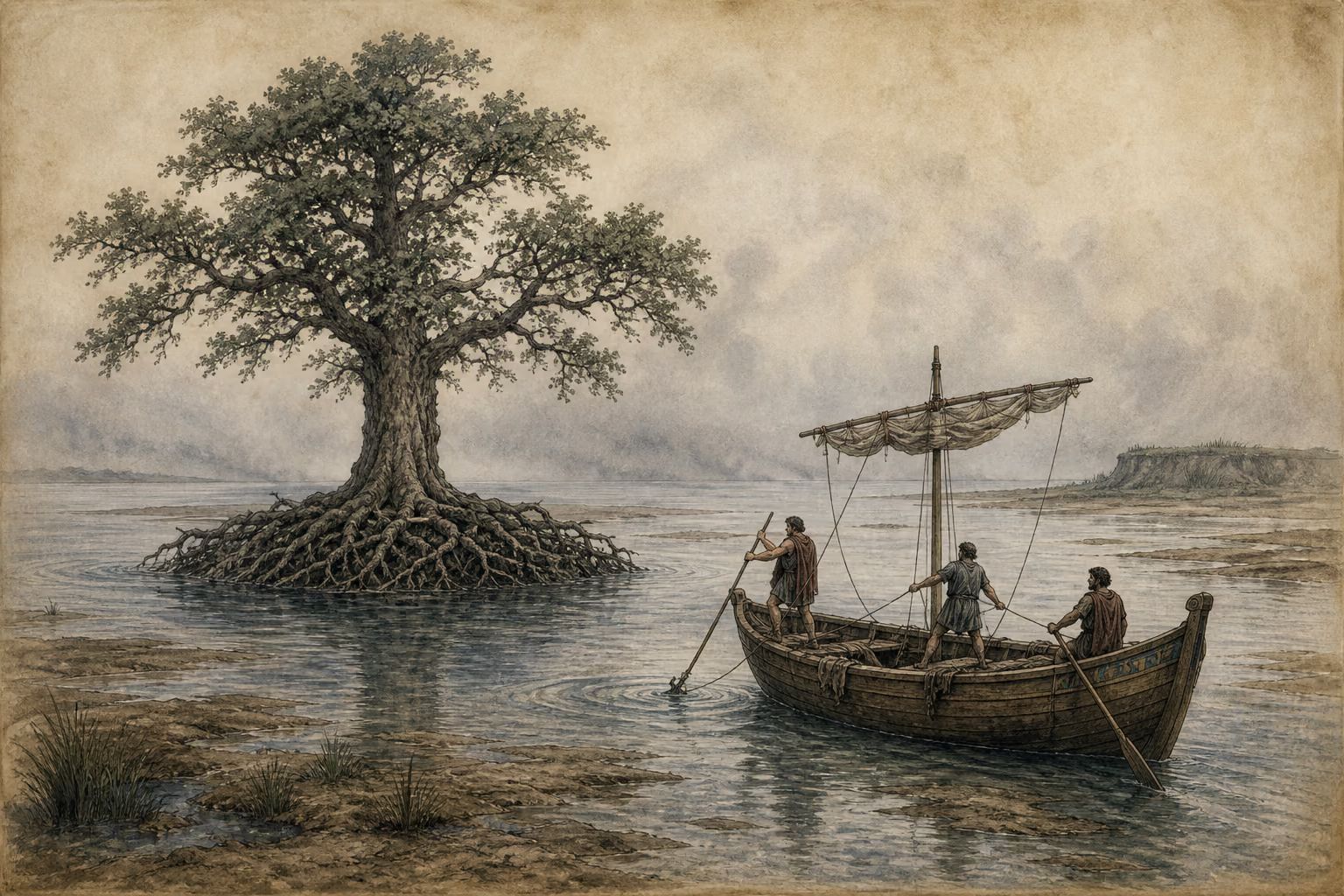
Aliud e silvis miraculum: totam reliquam Germaniam operiunt adduntque frigori umbras, altissimae tamen haud procul supra dictis Chaucis circa duos praecipue lacus. litora ipsa optinent quercus maxima aviditate nascendi, suffossaeque fluctibus aut propulsae flatibus vastas complexu radicum insulas secum auferunt, atque ita libratae stantes navigant, ingentium ramorum armamentis saepe territis classibus nostris, cum velut ex industria fluctibus agerentur in proras stantium noctu, inopesque remedii illae proelium navale adversus arbores inirent.
English · Bostock & Riley 1855–57
We have given the precedence in this account to the fruit-trees and others which, by their delicious juices, first taught man to give a relish to his food and the various aliments requisite for his sustenance, whether it is that they spontaneously produce these delightful flavours, or whether we have imparted them by the methods of adoption and intermarriage, thus bestowing a favour, as it were, upon the very beasts and birds. The next thing, then, would be to speak of the glandiferous trees, the trees which proffered the earliest nutriment to the appetite of man, and proved themselves his foster-mothers in his forlorn and savage state—did I not feel myself constrained on this occasion to make some mention of the surprise which I have felt on finding by actual experience what is the life of mortals when they inhabit a country that is without either tree or shrub.
I have already stated that in the East many nations that dwell on the shores of the ocean are placed in this necessitous state; and I myself have personally witnessed the condition of the Chauci, both the Greater and the Lesser, situate in the regions of the far North. In those climates a vast tract of land, invaded twice each day and night by the overflowing waves of the ocean, opens a question that is eternally proposed to us by Nature, whether these regions are to be looked upon as belonging to the land, or whether as forming a portion of the sea?
Here a wretched race is found, inhabiting either the more elevated spots of land, or else eminences artificially constructed, and of a height to which they know by experience that the highest tides will never reach. Here they pitch their cabins; and when the waves cover the surrounding country far and wide, like so many mariners on board ship are they: when, again, the tide recedes, their condition is that of so many shipwrecked men, and around their cottages they pursue the fishes as they make their escape with the receding tide. It is not their lot, like the adjoining nations, to keep any flocks for sustenance by their milk, nor even to maintain a warfare with wild beasts, every shrub, even, being banished afar. With the sedge and the rushes of the marsh they make cords, and with these they weave the nets employed in the capture of the fish; they fashion the mud, too, with their hands, and drying it by the help of the winds more than of the sun, cook their food by its aid, and so warm their entrails, frozen as they are by the northern blasts; their only drink, too, is rain-water, which they collect in holes dug at the entrance of their abode: and yet these nations, if this very day they were vanquished by the Roman people, would exclaim against being reduced to slavery! Be it so, then—Fortune is most kind to many, just when she means to punish them.
Another marvel, too, connected with the forests! They cover all the rest of Germany, and by their shade augment the cold. But the highest of them all are those not far distant from the Chauci already mentioned, and more particularly in the vicinity of the two lakes there. The very shores are lined with oaks, which manifest an extraordinary eagerness to attain their growth: undermined by the waves or uprooted by the blasts, with their entwining roots they carry vast forests along with them, and, thus balanced, stand upright as they float along, while they spread afar their huge branches like the rigging of so many ships. Many is the time that these trees have struck our fleets with alarm, when the waves have driven them, almost purposely it would seem, against their prows as they stood at anchor in the night; and the men, destitute of all remedy and resource, have had to engage in a naval combat with a forest of trees!