LIBER XIX · CAPUT 11
WHAT PLANTS ARE BENEFITTED BY SALT WATER
Latine · Mayhoff 1906
Nam quod ad permutationem seminum attinet, quibusdam ex his firmitas maior est, ut coriandro, betae, porro, nasturtio, sinapi, erucae, cunilae et fere acribus; infirmiora autem sunt atriplici, ocimo, cucurbitae, cucumi, et aestiva omnia hibernis magis; minime autem durat gethyum. sed ex his, quae sunt fortissima, nullum ultra quadrimatum utile est, dumtaxat serendo, culinis et ultra tempestiva sunt.
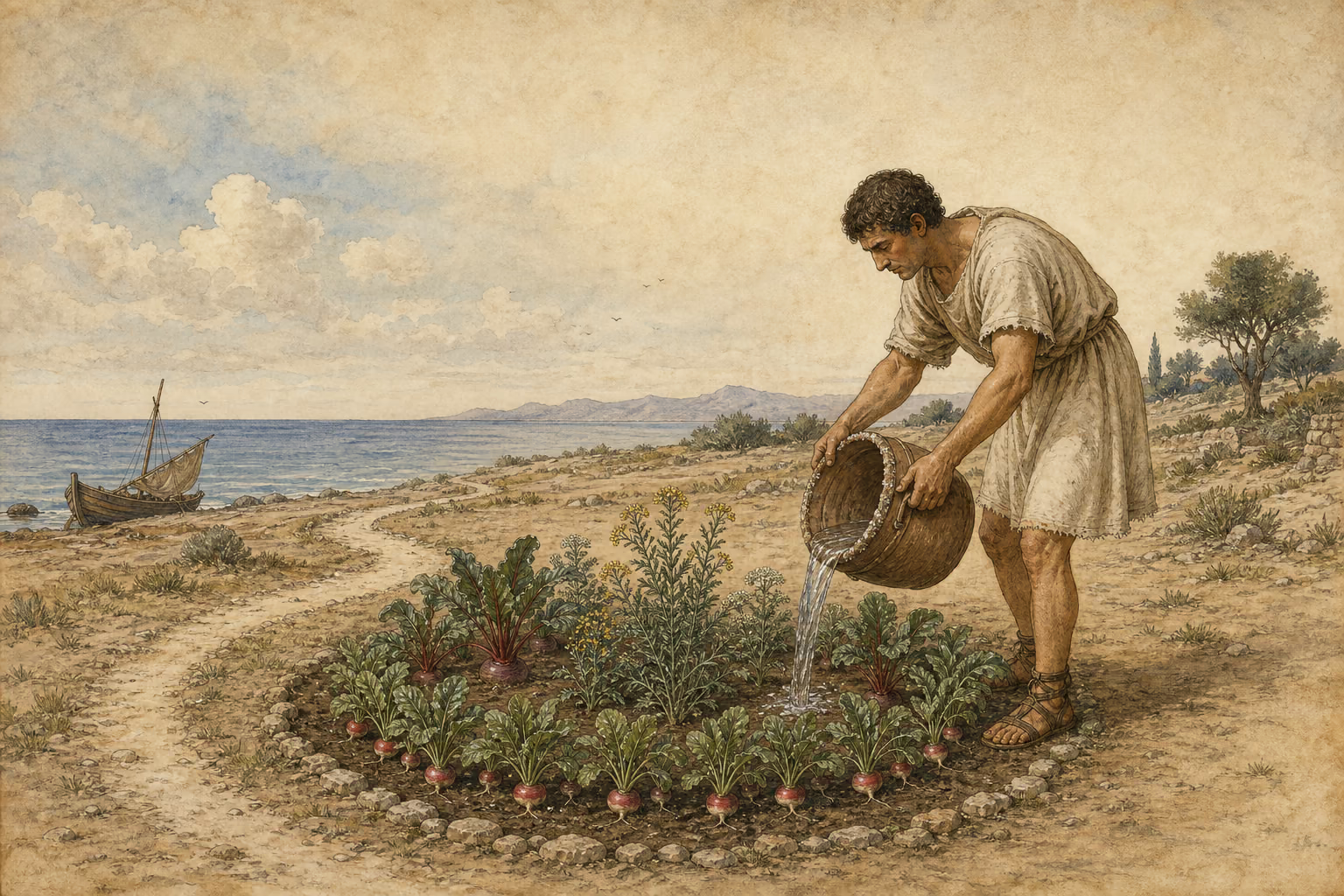
Peculiaris medicina raphano, betae, rutae, cunilae in salsis aquis, quae et alioqui plurimum suavitati et fertilitati conferunt. ceteris dulcium aquarum rigua prosunt. utilissimae ex his quae frigidissimae et quae potu suavissimae. minus utiles e stagno et quas elices inducunt, quoniam herbarum semina invehunt. praecipue tamen imbres alunt, nam et bestiolae innascentes necantur.
English · Bostock & Riley 1855–57
With reference to the deterioration to which seed is subject, there are some seeds which keep better than others, such, for instance, as that of coriander, beet, leeks, cresses, mustard, rocket, cunila, nearly all the pungent plants in fact. The seed, on the other hand, of orage, ocimum, gourds, and cucumbers, is not so good for keeping. All the summer seeds, too, last longer than the winter ones; but scallion seed is the very worst for keeping of them all. But of those, even, which keep the very longest, there is none that will keep beyond four years—for sowing purposes, at least; for culinary purposes, they are fit for use beyond that period.
A peculiar remedy for the maladies to which radishes, beet, rue, and cunila are subject, is salt water, which has also the additional merit of conducing very materially to their sweetness and fertility. Other plants, again, are equally benefitted by being watered with fresh water, the most desirable for the purpose being that which is the coldest and the sweetest to drink: pond and drain-water, on the other hand, are not so good, as they are apt to carry the seeds of weeds along with them. It is rain, however, that forms the principal aliment of plants; in addition to which, it kills the insects as they develope themselves upon them.