LIBER II · CAPUT 51
OF THE DIFFERENT KINDS OF LIGHTNING AND THEIR WONDERFUL EFFECTS
Latine · Mayhoff 1906
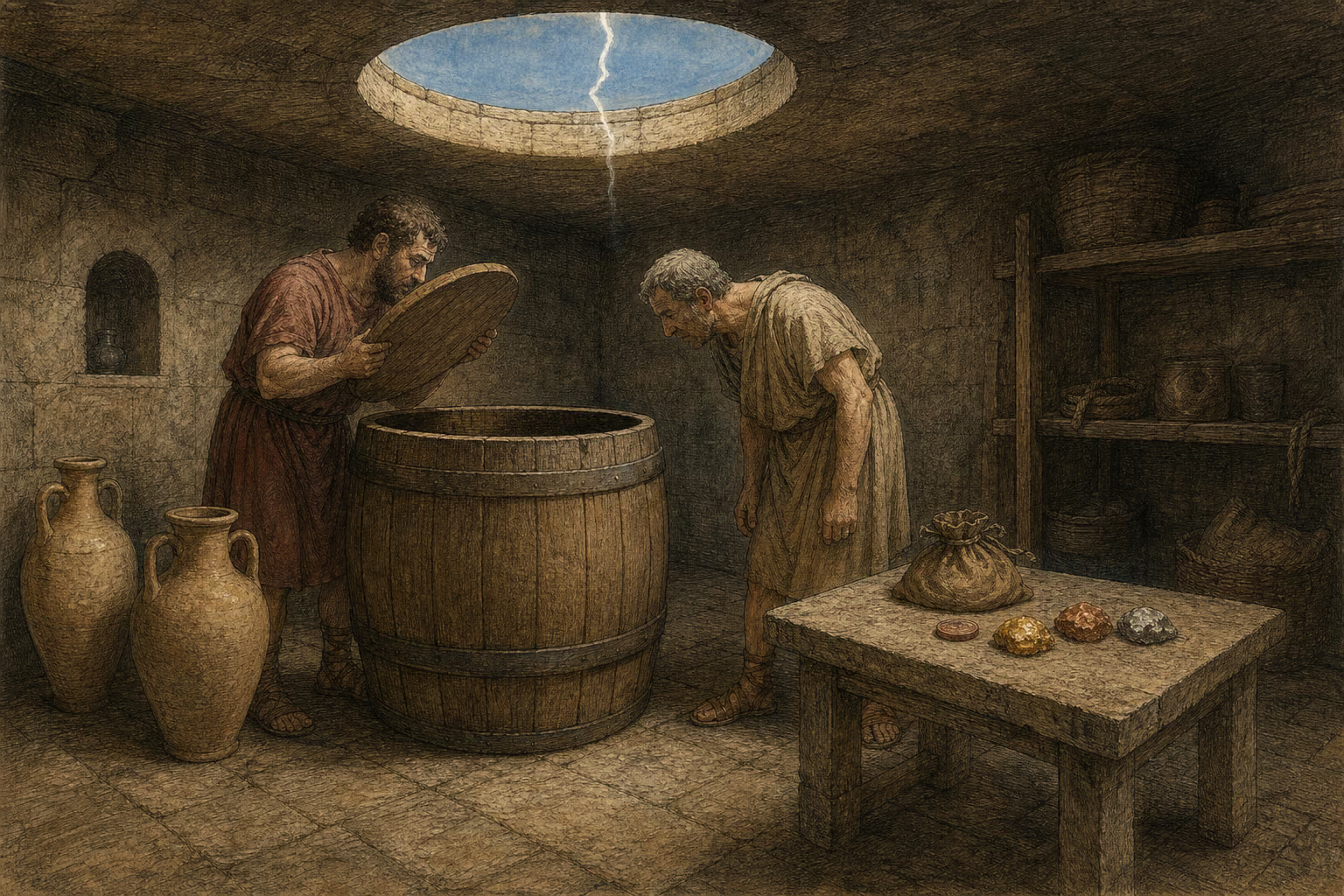
Fulminum ipsorum plura genera traduntur. quae sicca veniunt, non adurunt, sed dissipant; quae umida, non urunt, sed infuscant. tertium est quod clarum vocant, mirificae maxime naturae, quo dolia exhauriuntur intactis operimentis nulloque alio vestigio relicto, aurum et aes et argentum liquatur intus, sacculis ipsis nullo modo ambustis ac ne confuso quidem signo cerae. Marcia,... princeps Romanorum, icta gravida partu exanimato ipsa citra ullum aliud incommondum vixit. in Catilinianis prodigiis Pompeiano ex municipio M. Herennius decurio sereno die fulmine ictus est.
English · Bostock & Riley 1855–57
We have accounts of many different kinds of thunder-bolts. Those which are dry do not burn objects, but dissipate them; while those which are moist do not burn, but blacken them. There is a third kind, which is called bright lightning, of a very wonderful nature, by which casks are emptied, without the vessels themselves being injured, or there being any other trace left of its operation. Gold, copper, and silver are melted, while the bags which contain them are not in the least burned, nor even the wax seal much defaced. Marcia, a lady of high rank at Rome, was struck while pregnant; the fœtus was destroyed, while she herself survived without suffering any injury. Among the prognostics which took place at the time of Catiline’s conspiracy, M. Herennius, a magistrate of the borough of Pompeii, was struck by lightning when the sky was without clouds.