LIBER II · CAPUT 58
OF STONES THAT HAVE FALLEN FROM THE CLOUDS. THE OPINION OF ANAXAGORAS RESPECTING THEM
Latine · Mayhoff 1906
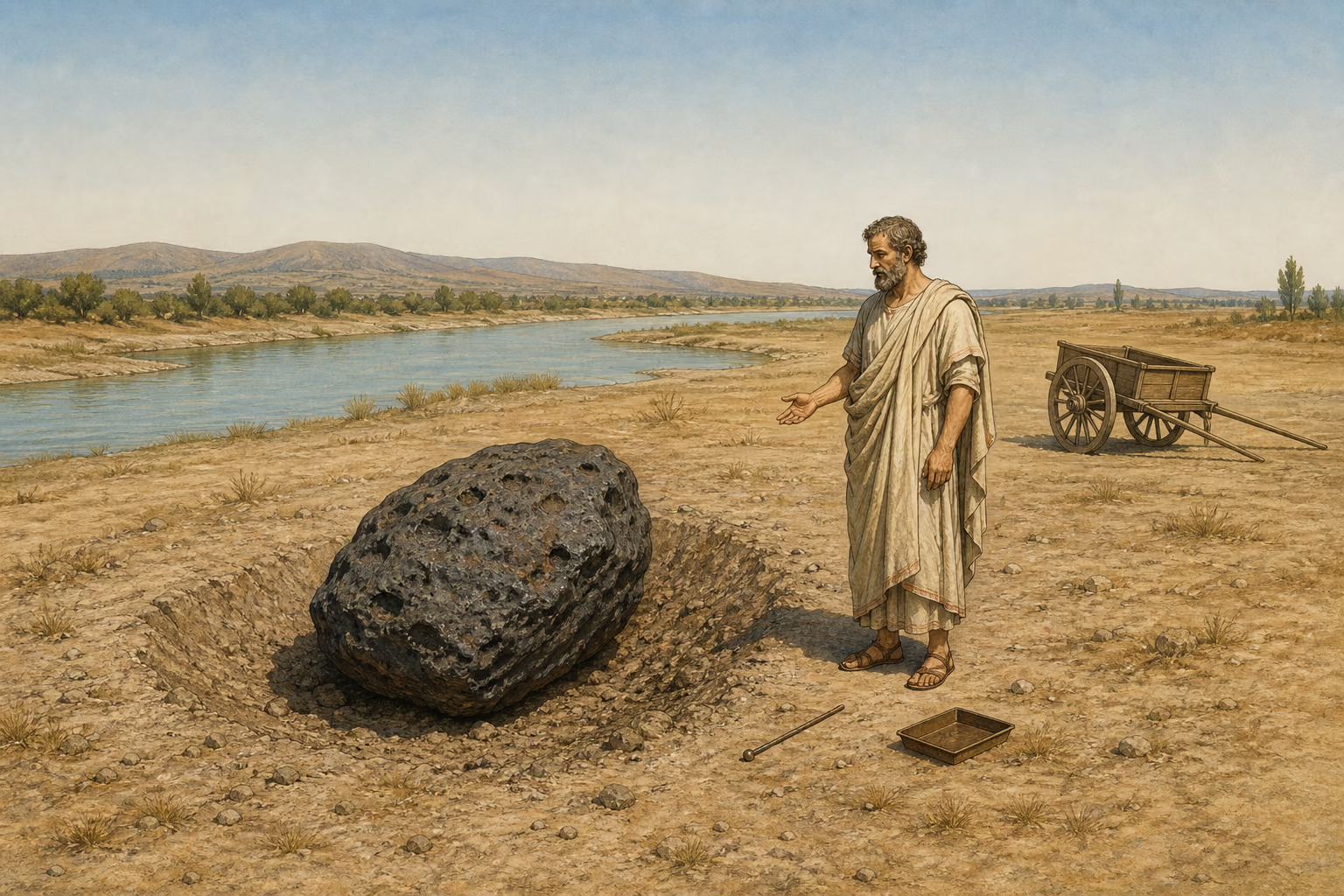
Celebrant Graeci Anaxagoran Clazomenium Olympiadis LXXVIII secundo anno praedixisse caelestium litterarum scientia, quibus diebus saxum casurum esset e sole, idque factum interdiu in Thraciae parte ad Aegos flumen, qui lapis etiam nunc ostenditur magnitudine vehis, colore adusto, comete quoque illis noctibus flagrante. quod si quis praedictum credat, simul fateatur necesse est, maioris miraculi divinitatem Anaxagorae fuisse solvique rerum naturae intellectum et confundi omnia, si aut ipse sol lapis esse aut umquam lapidem in eo fuisse credatur. decidere tamen crebro non erit dubium. in Abydi gymnasio ex ea causa colitur hodieque modicus quidem, sed quem in media terrarum casurum idem Anaxagoras praedixisse narretur. colitur et Cassandriae, quae Potidaeaquondam vocitata est, ob id deducta. ego ipse vidi in Vocontiorum agro paulo ante delatum.
English · Bostock & Riley 1855–57
The Greeks boast that Anaxagoras, the Clazomenian, in the second year of the 78th Olympiad, from his knowledge of what relates to the heavens, had predicted, that at a certain time, a stone would fall from the sun. And the thing accordingly happened, in the daytime, in a part of Thrace, at the river Ægos. The stone is now to be seen, a waggon-load in size and of a burnt appearance; there was also a comet shining in the night at that time. But to believe that this had been predicted would be to admit that the divining powers of Anaxagoras were still more wonderful, and that our knowledge of the nature of things, and indeed every thing else, would be thrown into confusion, were we to suppose either that the sun is itself composed of stone, or that there was ever a stone in it; yet there can be no doubt that stones have frequently fallen from the atmosphere. There is a stone, a small one indeed, at this time, in the Gymnasium of Abydos, which on this account is held in veneration, and which the same Anaxagoras predicted would fall in the middle of the earth. There is another at Cassandria, formerly called Potidæa, which from this circumstance was built in that place. I have myself seen one in the country of the Vocontii, which had been brought from the fields only a short time before.