LIBER II · CAPUT 59
THE RAINBOW
Latine · Mayhoff 1906
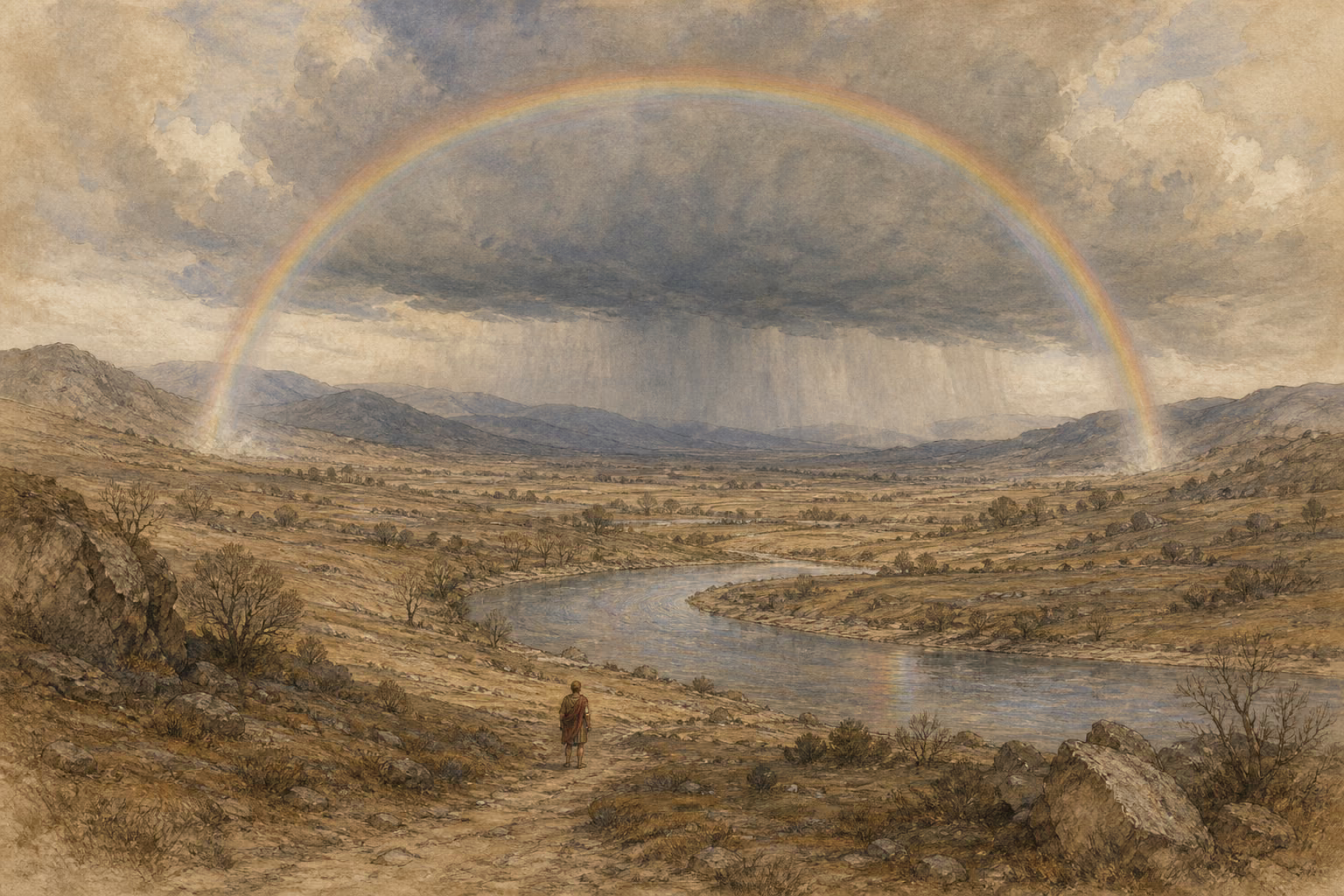
Arcus vocamus extra miraculum frequentes et extra ostentum. nam ne pluvios quidem aut serenos dies cum fide portendunt. manifestum est radium solis inmissum cavae nubi repulsa acie in solem refringi; eolorumque varietatem mixtura nubium, ignium, aëris fieri. certe nisi sole adverso non fiunt nec umquam nisi dimidia circuli forma nec noctu, quamvis Aristoteles prodat aliquando visum, quod tamen fatetur idem non nisi XXX luna posse fieri. fiunt autem hieme maxime ab aequinoctio autumnali die decrescente. quo rursus crescente ab aequinoctio verno non exsistunt, nec circa solstitium longissimis diebus, bruma vero [id est brevissimis ] frequenter, iidem sublimes humili sole humilesque sublimi, et minores oriente aut occidente, sed in latitudinem dimissi, meridie exiles, verum ambitus maioris. aestate autem per meridiem non cernuntur, post autumni aequinoctium quacumque hora, nec umquam plures simul quam duo.
Cetera eiusdem naturae non multis dubia esse video:
English · Bostock & Riley 1855–57
What we name Rainbows frequently occur, and are not considered either wonderful or ominous; for they do not predict, with certainty, either rain or fair weather. It is obvious, that the rays of the sun, being projected upon a hollow cloud, the light is thrown back to the sun and is refracted, and that the variety of colours is produced by a mixture of clouds, air, and fire. The rainbow is certainly never produced except in the part opposite to the sun, nor even in any other form except that of a semicircle. Nor are they ever formed at night, although Aristotle asserts that they are sometimes seen at that time; he acknowledges, however, that it can only be on the 14th day of the moon. They are seen in the winter the most frequently, when the days are shortening, after the autumnal equinox. They are not seen when the days increase again, after the vernal equinox, nor on the longest days, about the summer solstice, but frequently at the winter solstice, when the days are the shortest. When the sun is low they are high, and when the sun is high they are low; they are smaller when in the east or west, but are spread out wider; in the south they are small, but of a greater span. In the summer they are not seen at noon, but after the autumnal equinox at any hour: there are never more than two seen at once.
I do not find that there is any doubt entertained respecting the following points.