LIBER XXI · CAPUT 22
ONE REMEDY DERIVED FROM THE LEUCANTHEMUM. NINE REMEDIES DERIVED FROM THE AMARACUS
Latine · Mayhoff 1906
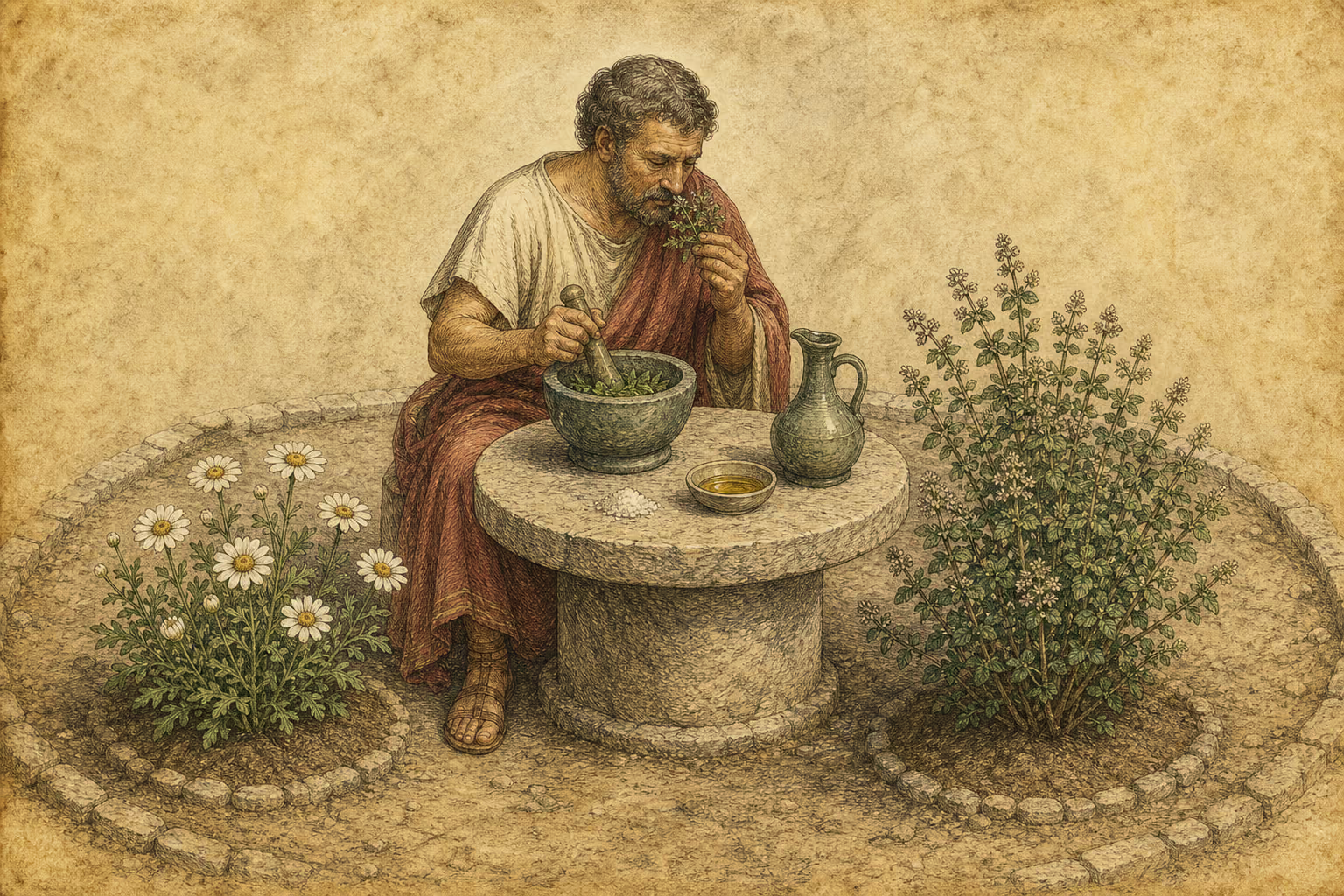
Leucanthemum suspiriosis medetur duabus partibus aceti permixtum. sampsuchum sive amaracum in Cypro laudatissimum et odoratissimum scorpionibus adversatur ex aceto ac sale inlitum. menstruis quoque multum confert inpositum. minor eidem poto vis. cohibet et oculorum epiphoras cum polenta. sucus decocti tormina discutit. et urinis et hydropicis utile. movet aridum sternumenta. fit ex eo et oleum, quod sampsuchinum vocatur aut amaracinum, ad excalfaciendos molliendosque nervos; et vulvas calfacit. folia suggillatis cum melle et luxatis cum cera prosunt.
English · Bostock & Riley 1855–57
The leucanthemum, mixed with two-thirds of vinegar, is curative of asthma. The sampsuchum or amaracus, —that of Cyprus being the most highly esteemed, and possessed of the finest smell—is a remedy for the stings of scorpions, applied to the wound with vinegar and salt. Used as a pessary, too, it is very beneficial in cases of menstrual derangement; but when taken in drink, its properties are not so powerfully developed. Used with polenta, it heals defluxions of the eyes; and the juice of it, boiled, dispels gripings of the stomach. It is useful, too, for strangury and dropsy; and in a dry state, it promotes sneezing. There is an oil extracted from it, known as “sampsuchinum,” or “amaracinum,” which is very good for warming and softening the sinews; it has a warming effect, also, upon the uterus. The leaves are good for bruises, beaten up with honey, and, mixed with wax, for sprains.