LIBER XXI · CAPUT 27
FOUR REMEDIES DERIVED FROM THE VINCAPERVINCA
Latine · Mayhoff 1906
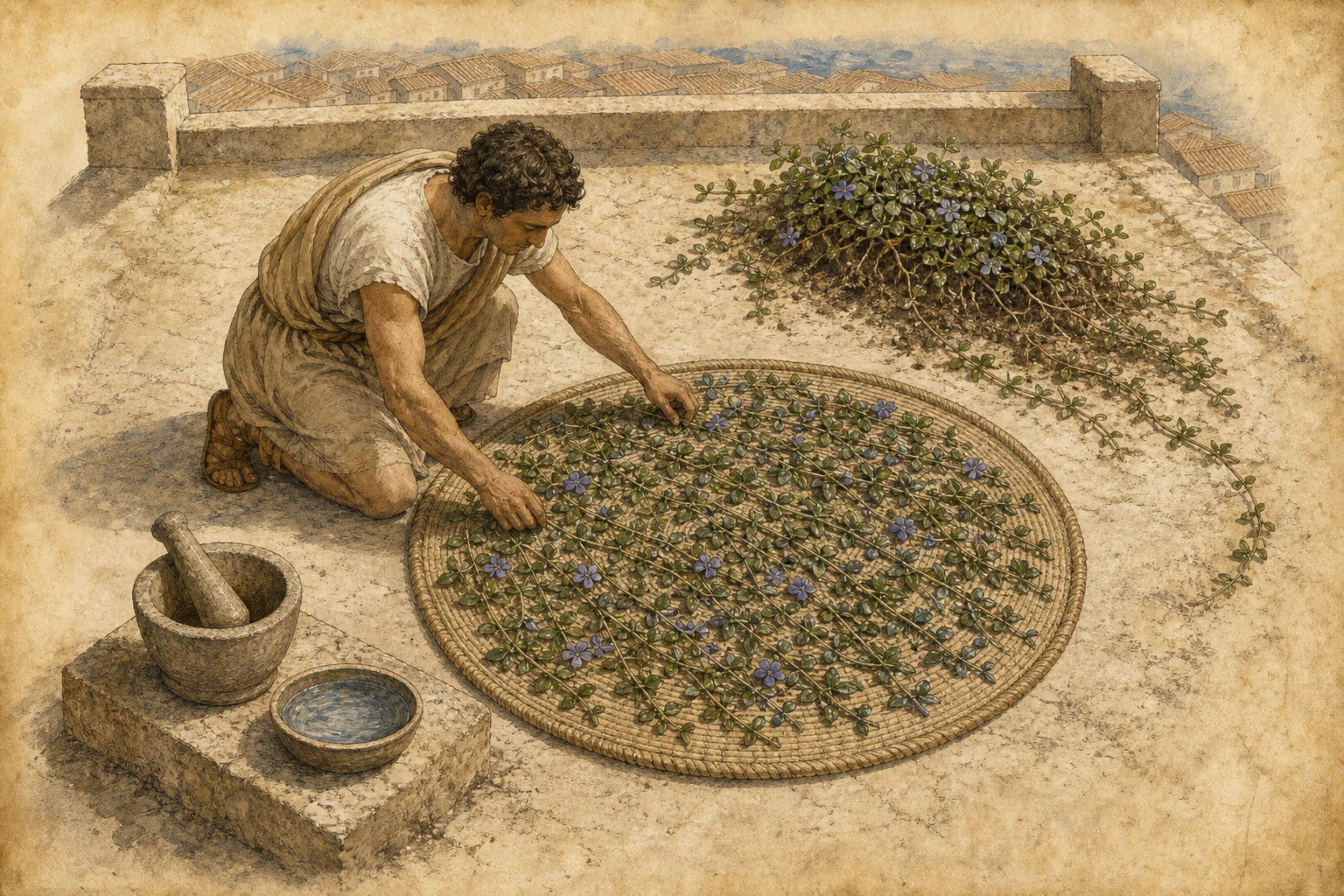
Et vicapervica sive chamaedaphne arida tusa hydropicis datur in aqua coclearii mensura, celerrimeque reddunt aquam. eadem decocta in cinere sparsa vino tumores siccat. auribus suco medetur. alvi vitiis inposita plurimum prodesse dicitur.
Rusci radix decocta bibitur alternis diebus in calculorum valitudine et tortuosiore urina vel cruenta. radicem pridie erui oportet, postero mane decoqui, ex eo sextario vini cyathis duobus misceri. sunt qui et crudam radicem tritam ex aqua bibant, et in totum ad virilia cauliculis eius ex aceto tritis nihil utilius putant.
Batis quoque alvum mollit. inlinitur podagricis cruda et contunsa. acinon et coronarum causa et ciborum Aegyptii serunt, eademque erat quae ocimum, nisi hirsutior ramis ac foliis esset et admodum odorata. ciet et menses et urinas.
English · Bostock & Riley 1855–57
The vincapervinca, too, or chamædaphne, is dried and pounded, and given to dropsical patients in water, in doses of one spoonful; a method of treatment which speedily draws off the water. A decoction of it, in ashes, with a sprinkling of wine, has the effect of drying tumours: the juice, too, is employed as a remedy for diseases of the ears. Applied to the regions of the stomach, this plant is said to be remarkably good for diarrhœa.
A decoction of the root of butcher’s broom is recommended to be taken every other day for calculus in the bladder, strangury, and bloody urine. The root, however, should be taken up one day, and boiled the next, the proportion of it being one sextarius to two cyathi of wine. Some persons beat up the root raw, and take it in water: it is generally considered, too, that there is nothing in existence more beneficial to the male organs than the young stalks of the plant, beaten up and used with vinegar.
The batis, too, relaxes the bowels, and, beaten up raw, it is employed topically for the gout. The people of Egypt cultivate the acinos, too, both as an article of food and for making chaplets. This plant would be the same thing as ocimum, were it not that the leaves and branches of it are rougher, and that it has a powerful smell. It promotes the catamenia, and acts as a diuretic.