LIBER XXII · CAPUT 4
THE GRASS CROWN: HOW RARELY IT HAS BEEN AWARDED
Latine · Mayhoff 1906
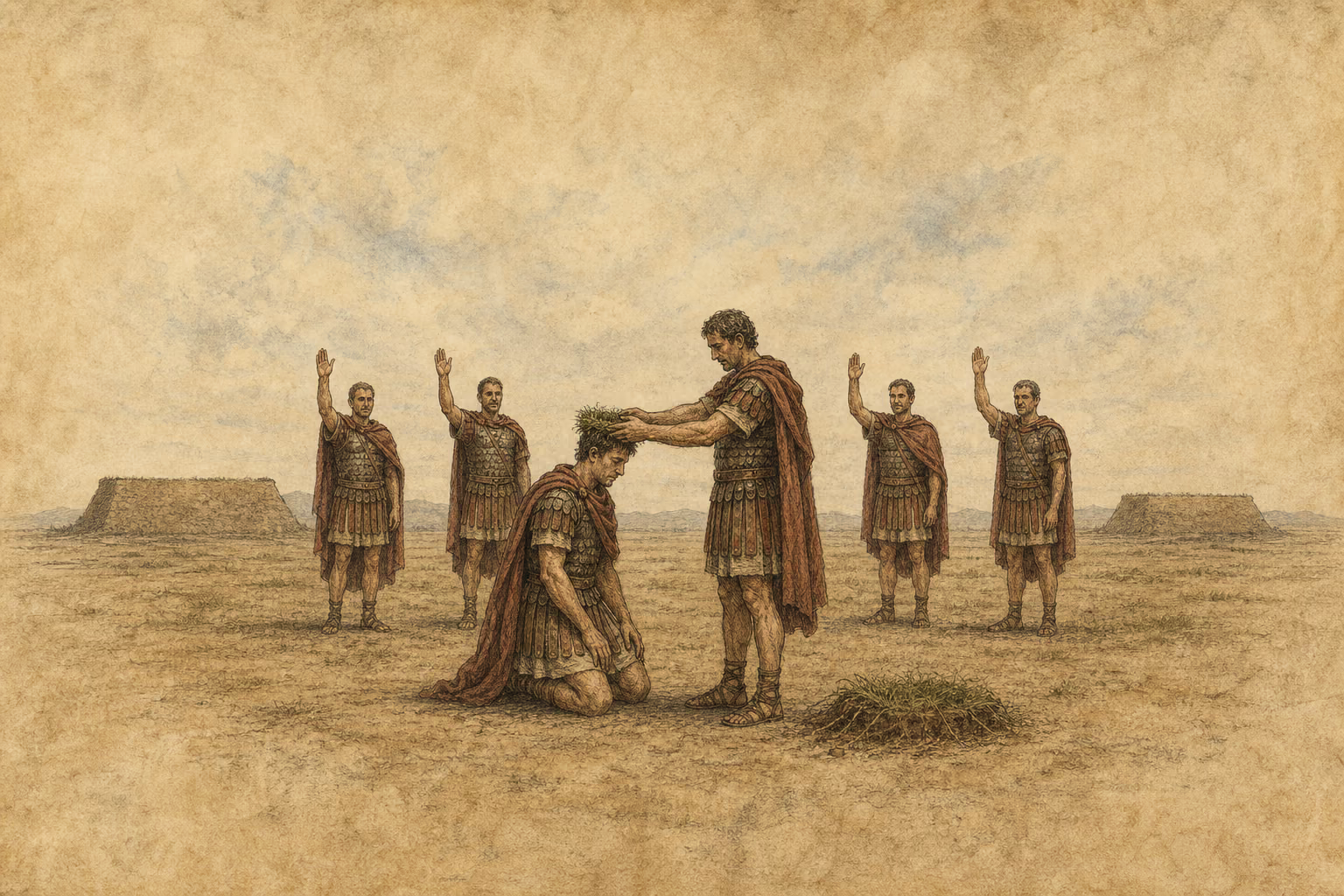
graminea numquam nisi in desperatione suprema contigit, nulli nisi ab universo exercitu servato decreta. ceteras imperatores dedere, hanc solam miles imperatori. eadem vocatur obsidionalis liberatis obsidione abominandoque exitu totis castris. quod si civicae honos uno aliquo ac vel humillimo cive servato praeclarus sacerque habetur, quid tandem existimari debet unius virtute servatus universus exercitus? dabatur haec viridi e gramine decerpto inde, ubi obsessos servasset aliquis. namque summum apud antiquos signum victoriae erat herbam porrigere victos, hoc est terra et altrice ipsa humo et humatione etiam cedere, quem morem etiam nunc durare apud Germanos scio.
English · Bostock & Riley 1855–57
But as for the crown of grass, it was never conferred except at a crisis of extreme desperation, never voted except by the acclamation of the whole army, and never to any one but to him who had been its preserver. Other crowns were awarded by the generals to the soldiers, this alone by the soldiers, and to the general. This crown is known also as the “obsidional” crown, from the circumstance of a beleaguered army being delivered, and so preserved from fearful disaster. If we are to regard as a glorious and a hallowed reward the civic crown, presented for preserving the life of a single citizen, and him, perhaps, of the very humblest rank, what, pray, ought to be thought of a whole army being saved, and indebted for its preservation to the valour of a single individual?
The crown thus presented was made of green grass, gathered on the spot where the troops so rescued had been beleaguered. Indeed, in early times, it was the usual token of victory for the vanquished to present to the conqueror a handful of grass; signifying thereby that they surrendered their native soil, the land that had nurtured them, and the very right even there to be interred—a usage which, to my own knowledge, still exists among the nations of Germany.