LIBER XXVI · CAPUT 5
SCROFULA
Latine · Mayhoff 1906
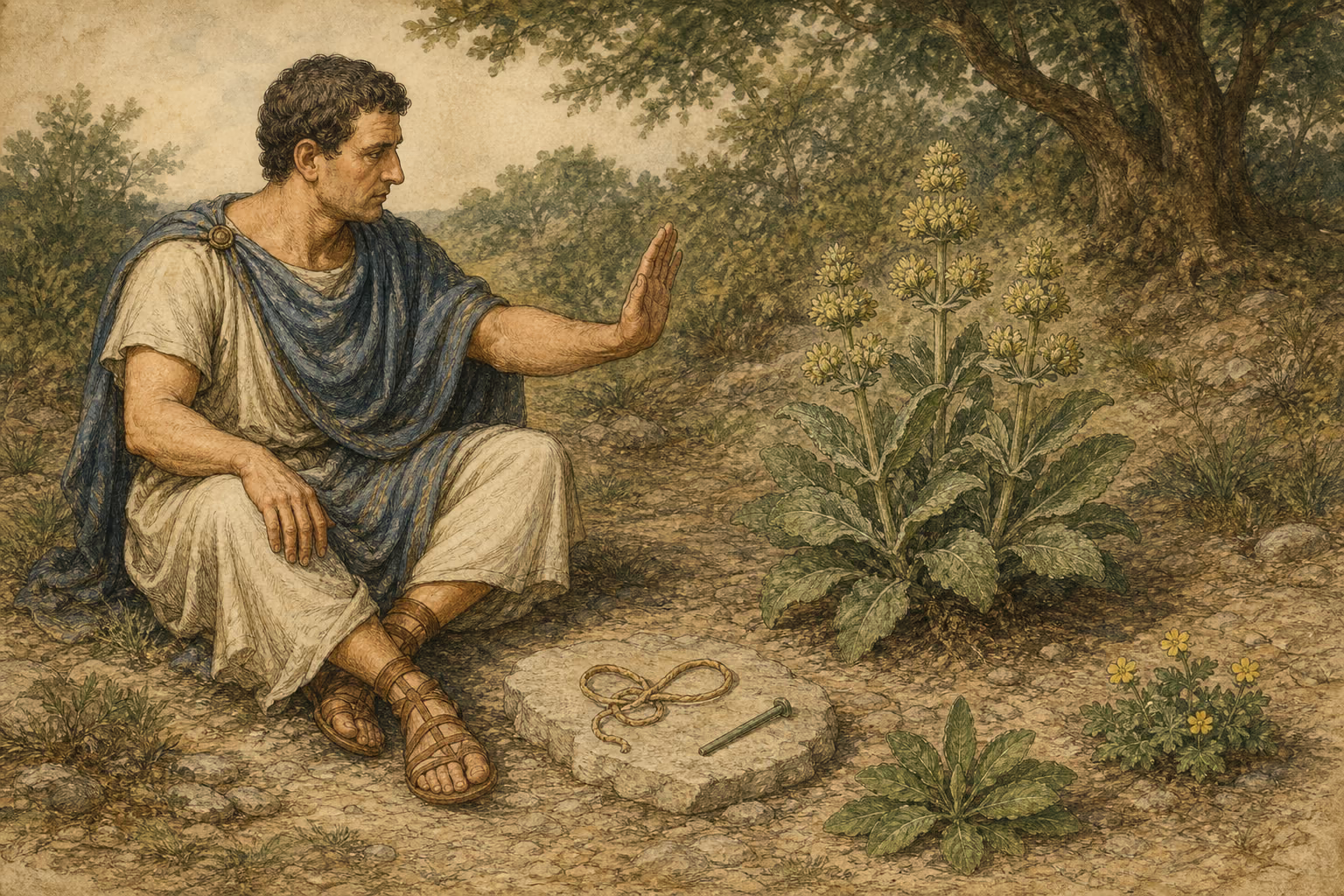
strumis plantago, chelidonia cum melle et axungia, quinquefolium, radix persollatae, item cum axungia operitur folio suo inposita, item Artemisia, radix mandragorae ex aqua. sideritis latifolia clavo sinistra manu circumfossa adalligatur, custodienda sanatis ne rursus sata taedium herbariorum seelere, ut in quibusdam diximus, rebellet, quod et in iis, quos Artemisia sanaverit, praedici reperio, item in iis, quos plantago. damasonium, quae et alcima vocatur, sub solstitio collecta inponitur ex aqua caelesti, folium tritum vel radix tusa cum axungia ita, ut inposita folio suo operiatur. sic et ad omnes cervicis dolores tumoresque quacumque in parte. — Bellis in pratis nascitur, flore albo, aliquatenus rubente. hanc cum Artemisia inlitam efficaciorem esse produnt.— Condurdum quoque herba solstitialis, flore rubro, suspensa in collo conprimere dicitur strumas, item verbenaca cum plantagine.—Digitorum vitiis omnibus et privatim pterygiis quinquefolium medetur.
In pectoris vitiis vel gravissimum est tussis. huic medetur panacis radix in vino dulci, sucus hyoscyami etiam sanguinem excreantibus, nidor quoque accensi tussientibus, item scordotis mixto nasturcio et resina cum melle tunsa arida—facit et per se faciles excreationes—, item centaurium maius vel sanguinem reicientibus, cui vitio et plantaginis sucus medetur et Vettonica obolis III in aqua; contra purulentas contraque cruentas exscreationes persollatae radix drachmae pondere cum pineis nucleis XI, peucedani sucus. pectoris doloribus acorum subvenit, idem antidotis miscetur; tussi. daucum, item Scythica herba, eadem omnibus pectoris vitiis; tussi et purulenta excreantibus obolis III in passi totidem verbascum, cuius est flos aureus.
English · Bostock & Riley 1855–57
For the cure of scrofula plantago is employed, chelidonia mixed with honey and axle-grease, cinquefoil, and root of persolata —this last being applied topically, and covered with the leaf of the plant—artemisia, also, and an infusion of the root of mandragora in water. The large-leaved sideritis, cleft by the left hand with a nail, is worn attached as an amulet: but after the cure has been effected, due care must be taken to preserve the plant, in order that it may not be set again, to promote the wicked designs of the herbalists and so cause the disease to break out afresh; as sometimes happens in the cases already mentioned, and others which I find stated, in reference to persons cured by the agency of artemisia or plantago.
Damasonion, also known as alcea, is gathered at the summer solstice, and applied with rain-water, the leaves being beaten up, or the root pounded, with axle-grease, so as to admit, when applied, of being covered with a leaf of the plant. The same plan is adopted also for the cure of all pains in the neck, and tumours on all parts of the body.
Bellis is the name of a plant that grows in the fields, with a white flower somewhat inclining to red; if this is applied with artemisia, it is said, the remedy is still more efficacious.
The condurdum, too, is a plant with a red blossom, which flowers at the summer solstice. Suspended from the neck, it arrests scrofula, they say: the same being the case also with vervain, in combination with plantago. For the cure of all diseases of the fingers, hangnails in particular, cinquefoil is used.
Of all diseases of the chest, cough is the one that is the most oppressive. For the cure of this malady, root of panaces in sweet wine is used, and in cases where it is attended with spitting of blood, juice of henbane. Henbane, too, used as a fumigation, is good for cough; and the same with scordotis, mixed with nasturtium and dry resin, beaten up with honey: employed by itself also, scordotis facilitates expectoration, a property which is equally possessed by the greater centaury, even where the patient is troubled with spitting of blood; for which last juice of plantago is very beneficial. Betony, taken in doses of three oboli in water, is useful for purulent or bloody expectorations: root also of persolata, in doses of one drachma, taken with eleven pine-nuts; and juice of peucedanum.
For pains in the chest, acoron is remarkably useful; hence it is that it is so much used an ingredient in antidotes. For cough, daucus and the plant scythice are much employed, this last being good, in fact, for all affections of the chest, coughs, and purulent expectorations, taken in doses of three oboli, with the same proportion of raisin wine. The verbascum too, with a flower like gold, is similarly employed.