LIBER III · CAPUT 10
MAGNA GRÆCIA, BEGINNING AT LOCRI
Latine · Mayhoff 1906
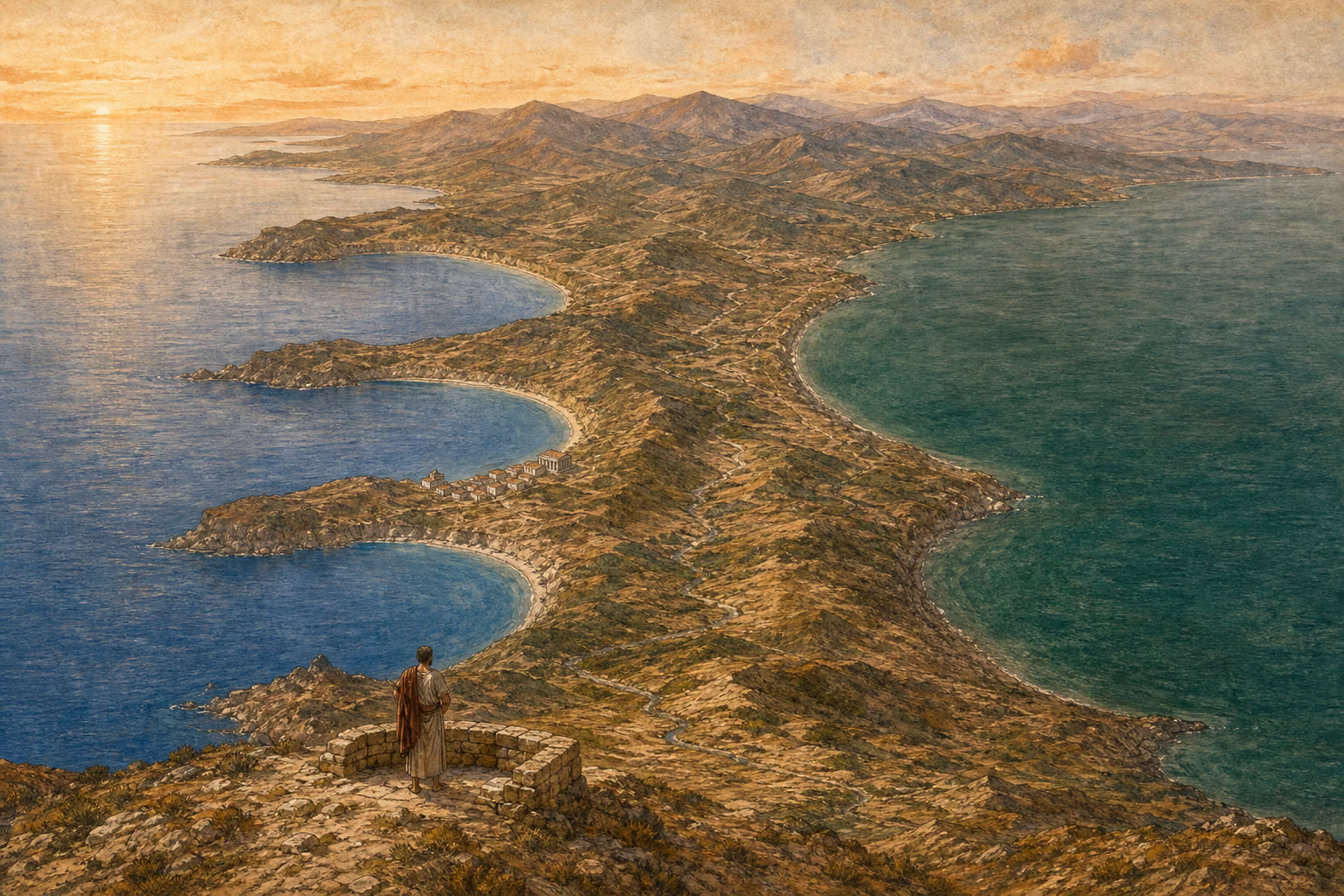
A Locris Italiae frons incipit, Magna graecia appellata, in tris sinus recedens Ausonii maris, quoniam Ausones tenuere primi. patet LXXXVI, ut auctor est Varro; plerique LXXV fecere. in ea ora flumina innumera, sed memoratu digna a Locris Sagra et vestigia oppidi Caulonis, Mustiae, Consilinum castrum, Cocynthum, quod esse longissimum Italiae promunturium aliqui existimant. dein sinus etoppidum Scolacium, Scylaceum et Scylletium Atheniensibus, cum conderent, dictum, quem locunm occurrens Terinaeus sinus paeninsulam efficit, et in ea portus qui vocatur Castra Hannibalis, nusquam angustiore italia: XL p. latitudo est; itaque Dionysius maior intercisam eo loco adicere Siciliae voluit. amnes ibi navigabiles carcinus, Crotalus, Semirus, Arogas, Thagines, oppidum intus Petelia, mons Clibanus, promunturium Lacinium, cuius ante oram insula X??? a terra Dioscoron, altera Calypsus, quam Ogygiam appellasse Homerus existimatur, praeterea Tyris, Eranusa, Meloessa. ipsum a Caulone abesse LXX prodit Agrippa.
English · Bostock & Riley 1855–57
At Locri begins the fore-part of Italy, called Magna Græcia, whose coast falls back in three bays formed by the Ausonian sea, so called from the Ausones, who were the first inhabitants of the country. According to Varro it is 86 miles in extent; but most writers have made it only 75. Along this coast there are rivers innumerable, but we shall mention those only that are worthy of remark. After leaving Locri we come to the Sagra, and the ruins of the town of Caulon, Mystiæ, Consilinum Castrum, Cocinthum, in the opinion of some, the longest headland of Italy, and then the Gulf of Scylacium, and Scylacium itself, which was called by the Athenians, when they founded it, Scylletium. This part of Italy is nearly a peninsula, in consequence of the Gulf of Terinæum running up into it on the other side; in it there is a harbour called Castra Hannibalis: in no part is Italy narrower than here, it being but twenty miles across. For this reason the Elder Dionysius entertained the idea of severing this portion from the main-land of Italy at this spot, and adding it to Sicily. The navigable rivers in this district are the Carcines, the Crotalus, the Semirus, the Arocas, and the Targines. In the interior is the town of Petilia, and there are besides, Mount Clibanus, the promontory of Lacinium, in front of which lies the island of Dioscoron, ten miles from the main-land, and another called the Isle of Calypso, which Homer is supposed to refer to under the name of Ogygia; as also the islands of Tiris, Eranusa, and Meloessa. According to Agrippa, the promontory of Lacinium is seventy miles from Caulon.