LIBER III · CAPUT 8
SICILY
Latine · Mayhoff 1906
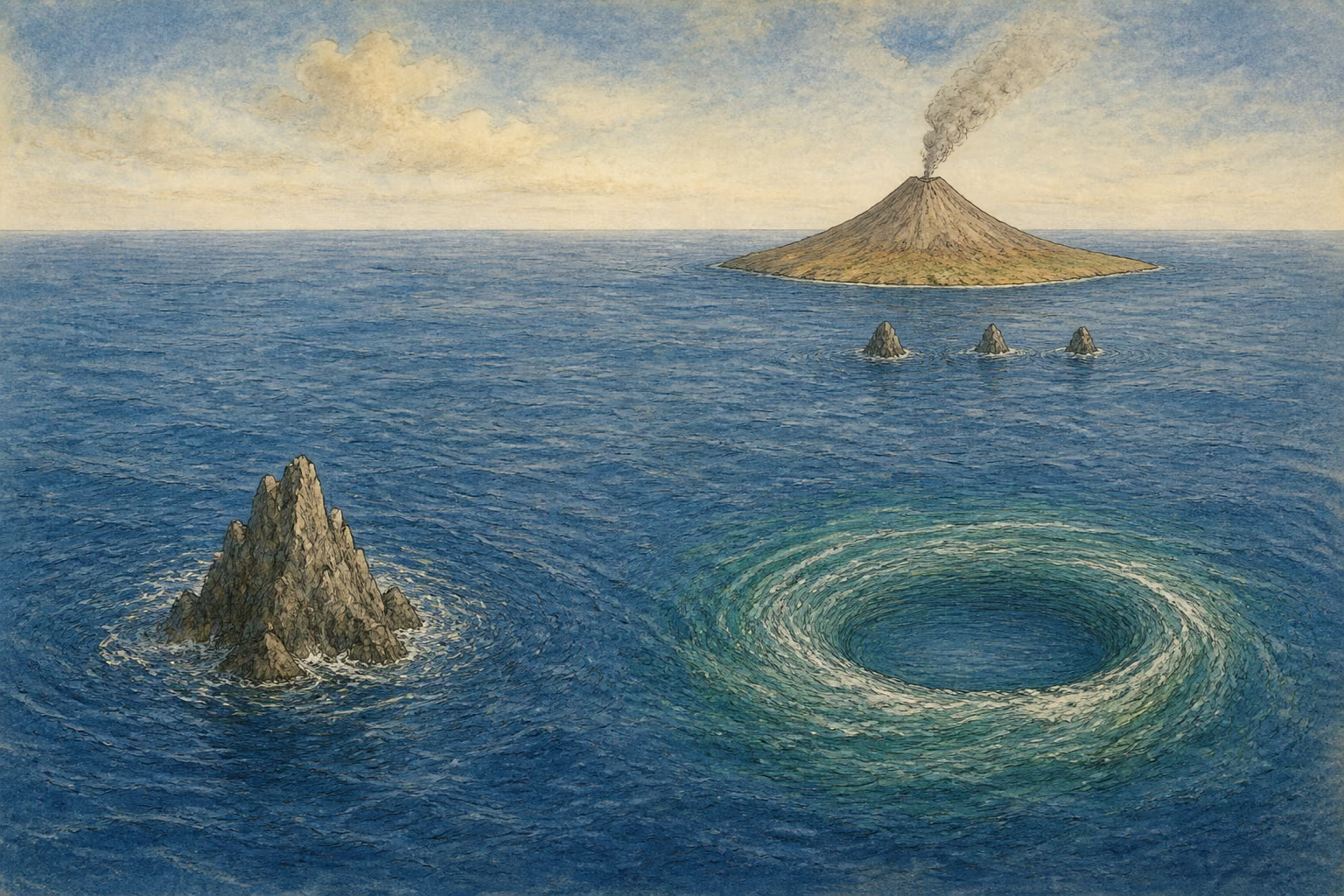
Verum ante omnes claritate Sicilia, Sicania Thucydidi dicta, Trinacria pluribus aut Trinacia a triangula specie, circuitu patens, ut auctor est Agrippa, DCXVIII p., quondam Bruttio agro cohaerens, mox interfuso mari avulsa, XV in longitudinem freto, in latitudinem autem M.D p. iuxta Columnam Regiam. ab hoc dehiscendi argumento Rhegium Graeci nomen dedere oppido in margine Italiae sito. in eo freto est scopulus Scylla, item Charybdis mare verticosum, ambae clarae saevitia. ipsius triquetrae, ut diximus, promunturium Pelorum vocatur adversus scylam vergens in Italiam, Pachynum in Graeciam, CCCCXL ab eo distante Peloponneso, Lilybaeum in Africam CLXXX intervallo a Mercuri promunturio et a Caralitano Sardiniae CXC. inter se autem promunturia ac latera distant his spatiis: terreno itinere a Peloro Pachynum CLXXVI, inde Lilybaeum CC, unde Pelorum CCXLII. coloniae ibi V, urbes aut civitates LXIII. a Peloro mare Ionium ora spectante oppidum Messana civium R., qui Mamertini vocantur, promunturium Drepanum, colonia Tauromenium, quae antea Naxos, flumen Asines, mons Aetna, nocturnis mirus incendiis. crater eius patet ambitu stadia viginti; favilla Tauromenium et Catinam usque pervenit fervens, fragor vero ad Maroneum et Gemellos colles. scopuli tres Cyclopum, portus Vlixis, colonia Catina, flumina Symaethum, Terias. intus Laestrygoni campi. oppida Leontini, Megaris, amnis Pantagies, colonia Syracusae cum fonte Arethusa, quamquam et Temenitis et Archidemia et Magea et Cyane et Milichie fontes in Syracusano potantur agro, portus Naustathmus, flumen Elorum, promunturium Pachynum, a quo... fronte Siciliae flumen Hyrminum, oppidum Camarina, fluvius Gelas, oppidum Agragas, quod Agrigentum nostri dixere, Thermae colonia, amnes Achates, Mazaara, Hypsa, Selinuus, oppidum Lilybaeum, ab eo promunturium, Drepana, mons Eryx, oppida Panhormum, Soluus, Himera cum fluvio, Cephaloedis, Haluntium, Agathyrnum, Tyndaris colonia, oppidum Mylae et, unde coepimus, Pelorias. intus autem Latinae condicionis Centuripini, Netini, Segestani, stipendiarii Assorini, Aetnenses, Agyrini, Acestaei, Acrenses, Bidini, Citarini, Drepanitani, Ergetini, Echetlienses, Erycini, Entellini, Egguini, Gelani, Galacteni, Halaesini, Hennenses, Hyblenses, Herbitenses, Herbessenses, Herbulenses, Halicuenses, Hadranitani, Imacarenses, Ichanenses, Iaetenses, Mutustratini, Magellini, Murgentini, Mutycenses, Menaini, Naxi, Noini, Petrini, Paropini, Phintienses, Semelitani, Scherini, Selinunti, Symaethii, Talarenses, Tissienses, Triocalini, Tyracinenses. zanclaei Messeniorum in Siculo freto sunt.
Insulaein Africam versae Gaulos, Melita a CamarinaLXXXVII, a Lilybaeo CXIII, Cossyra, Hieronnesos, Caene, Galata, Lopadusa, Aethusa, quam alii Aegusam scripserunt, Bucinna et a Solunte LXXV Osteodes contraque Paropinos Vstica. citra vero Siciliam ex adverso Metauri amnis XXV ferme p. ab Italia septem Aeoliae appellatae, eaedem Liparaeorurn, Hephaestiades a Graecis, a nostris Volcaniae, Aeoliae, quod Aeolus Iliacis temporibus ibi regnavit.
English · Bostock & Riley 1855–57
But more celebrated than all is Sicily, called Sicania by Thucydides, and by many writers Trinacria or Trinacia, from its triangular appearance. According to Agrippa it is 618 miles in circumference. In former times it was a continuation of the territory of Bruttium, but, in consequence of the overflowing of the sea, became severed from it; thus forming a strait of 15 miles in length, and a mile and a half in width in the vicinity of the Pillar of Rhegium. It was from this circumstance of the land being severed asunder that the Greeks gave the name of Rhegium to the town situate on the Italian shore.
In these Straits is the rock of Scylla, as also Charybdis, a whirlpool of the sea, both of them noted for their perils. Of this triangle, the promontory, which, as we have already mentioned, is called Pelorus, faces Scylla and juts out towards Italy, while Pachynum extends in the direction of Greece, Peloponnesus being at a distance from it of 440 miles, and Lilybæum, towards Africa, being distant 180 miles from the promontory of Mercury, and from that of Caralis in Sardinia 190. These promontories and sides are situate at the following distances from each other: by land it is 186 miles from Pelorus to Pachynum, from Pachynum to Lilybæum 200, and from Lilybæum to Pelorus 170.
In this island there are five colonies and sixty-three cities or states. Leaving Pelorus and facing the Ionian Sea, we have the town of Messana, whose inhabitants are also called Mamertini and enjoy the rights of Roman citizens; the promontory of Drepanum, the colony of Tauromenium, formerly called Naxos, the river Asines, and Mount Ætna, wondrous for the flames which it emits by night. Its crater is twenty stadia in circumference, and from it red-hot cinders are thrown as far as Tauromenium and Catina, the noise being heard even at Maroneum and the Gemellian Hills. We then come to the three rocks of the Cyclopes, the Port of Ulysses, the colony of Catina, and the rivers Symæthus and Terias; while more inland lie the Læstrygonian Plains.
To these rivers succeed the towns of Leontinum and Megaris, the river Pantagies, the colony of Syracuse, with the fountain of Arethusa, (the people in the Syracusan territory drink too of the fountains of Temenitis, Archidemia, Magæa, Cyane, and Milichie,) the port of Naustathmus, the river Elorus, and the promontory of Pachynum. This side of Sicily begins with the river Hirminius, then follow the town of Camarina, the river Gelas, and the town of Agragas, which our people have named Agrigentum. We next come to the colony of Thermæ, the rivers Achates, Mazara, and Hypsa; the town of Selinus, and then the Promontory of Lilybæum, which is succeeded by Drepana, Mount Eryx, the towns of Panhormus, Solus and Himera, with a river of the same name, Cephalœdis, Aluntium, Agathyrnum, the colony of Tyndaris, the town of Mylæ, and then Pelorus, the spot at which we began.
In the interior there are the following towns enjoying Latin privileges, those of the Centuripini, the Netini, and the Segestani; tributary towns are those of the Assorini, the Ætnenses, the Agyrini, the Acestæi, the Acrenses, the Bidini, the Cetarini, the Cacyrini, the Drepanitani, the Ergetini, the Echetlienses, the Erycini, the Entellini, the Enini, the Enguini, the Gelani, the Galatini, the Halesini, the Hennenses, the Hyblenses, the Herbitenses, the Herbessenses, the Herbulenses, the Halicyenses, the Hadranitani, the Imacarenses, the Ipanenses, the Ietenses, the Mytistratini, the Magellini, the Murgentini, the Mutycenses, the Menanini, the Naxii, the Noæi, the Petrini, the Paropini, the Phthinthienses, the Semellitani, the Scherini, the Selinuntii, the Symæthii, the Talarienses, the Tissinenses, the Triocalini, the Tyracinenses, and the Zanclæi, a Messenian colony on the Straits of Sicily. Towards Africa, its islands are Gaulos, Melita, 87 miles from Camerina, and 113 from Lilybæum, Cosyra, Hieronnesos, Cæne, Galata, Lopadusa, Æthusa, written by some Ægusa, Bucinna, Osteodes, distant from Soluntum 75 miles, and, opposite to Paropus, Ustica.
On this side of Sicily, facing the river Metaurus, at a distance of nearly 25 miles from Italy, are the seven islands called the Æolian, as also the Liparæan islands; by the Greeks they are called the Hephæstiades, and by our writers the Vulcanian Isles; they are called “Æolian” because in the Trojan times Æolus was king there.