LIBER XXXV · CAPUT 18
ARGENTARIA. NAMES OF FREEDMEN WHO HAVE EITHER RISEN TO POWER THEMSELVES, OR HAVE BELONGED TO MEN OF INFLUENCE
Latine · Mayhoff 1906
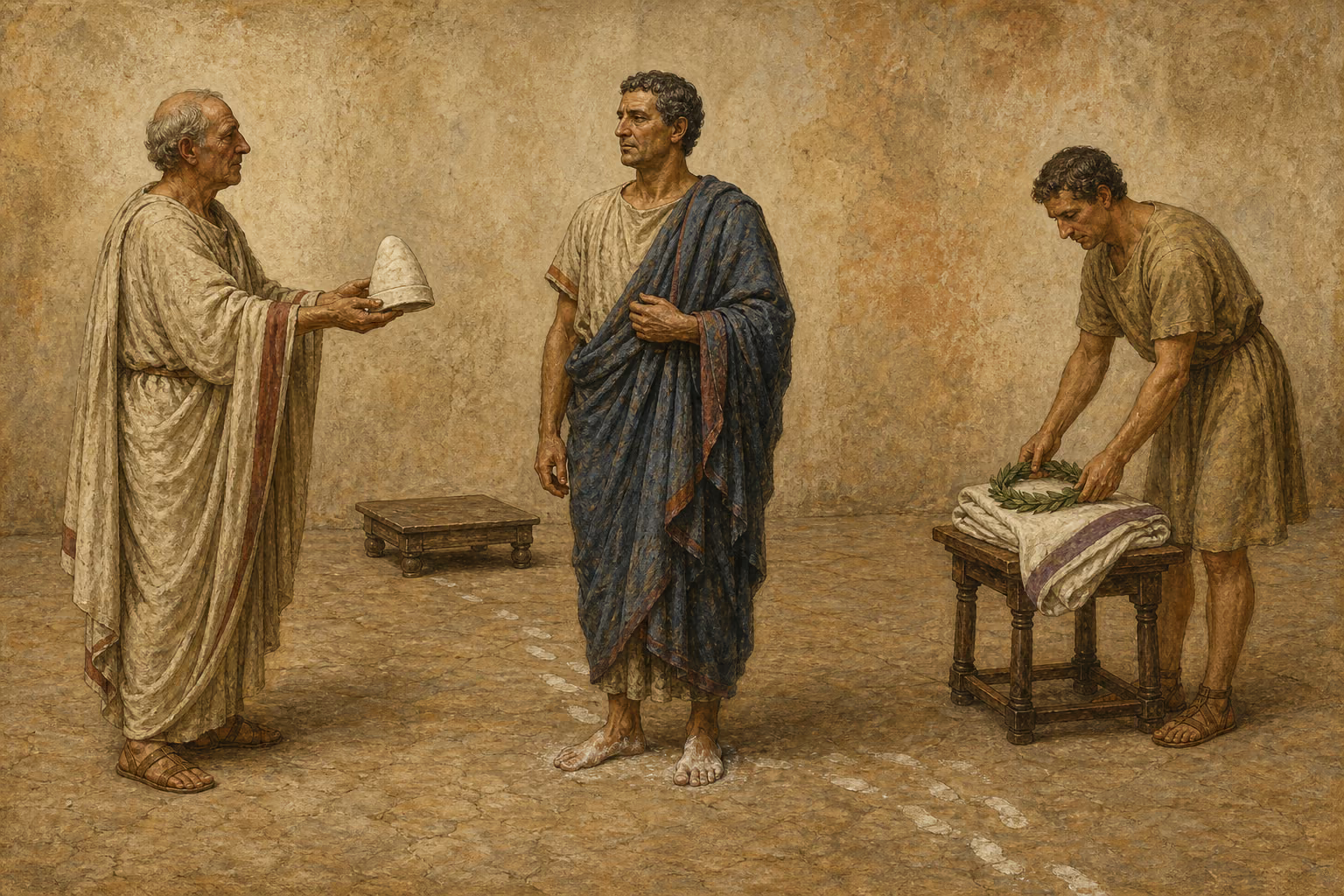
sed quid hos referat aliquis, litterarum honore commendatos? talem in catasta videre Chrysogonum Sullae, Amphionem Q. Catuli, Hectorem L. Luculli, Demetrium Pompei, Augenque Demetri, quamquam et ipsa Pompei credita est, Hipparchum M. Antoni, Menam et Menecraten Sexti Pompei aliosque deinceps, quos enumerare iam non est, sanguine Quiritium et proscriptionum licentia ditatos. hoc est insigne venaliciis gregibus obprobriumque insolentis fortunae. quos et nos adeo potiri rerum vidimus, ut praetoria quoque ornamenta decerni a senatu iubente Agrippina Claudi Caesaris videremus tantumque non cum laureatis fascibus remitti illo, unde cretatis pedibus advenissent.
English · Bostock & Riley 1855–57
But why mention these names, recommended as they are by the literary honours which they acquired? Other instances too, Rome has beheld of persons rising to high positions from the slave-market; Chrysogonus, for example, the freedman of Sylla; Amphion, the freedman of Q. Catulus; the man who was the keeper of Lucullus; Demetrius, the freedman of Pompeius, and Auge, the freedwoman of Demetrius, or else of Pompeius himself, as some have supposed; Hipparchus, the freedman of M. Antonius; as also, Menas and Menecrates, freedmen of Sextus Pompeius, and many others as well, whom it would be superfluous to enumerate, and who have enriched themselves at the cost of Roman blood, and the licence that results from proscription.
Such is the mark that is set upon those droves of slaves which we see on sale, such the opprobrium thrown upon them by a capricious fortune! And yet, some of these very men have we beheld in the enjoyment of such power and influence, that the senate itself has decreed them—at the command of Agrippina, wife of the Emperor Claudius—the decorations even of the prætorship: all but honoured with the fasces and their laurels, in fact, and sent back in state to the very place from which they originally came, with their feet whitened with the slave-dealer’s chalk!