LIBER XXXV · CAPUT 5
THE ART OF PAINTING
Latine · Mayhoff 1906
Quibus coloribus singulis primi pinxissent diximus, cum de iis pigmentis traderemus in metallis, quae monochromata a genere picturae vocantur. qui deinde et quae invenerint et quibus temporibus, dicemus in mentione artificum, quoniam indicare naturas colorum prior causa operis instituti est. tandem se ars ipsa distinxit et invenit lumen atque umbras, differentia colorum alterna vice sese excitante. postea deinde adiectus est splendor, alius hic quam lumen. quod inter haec et umbras esset, appellarunt tonon, commissuras vero colorem et transitus harmogen.
English · Bostock & Riley 1855–57
Thus much then with reference to the dignity of this now expiring art. We have already stated with what single colours the earlier artists painted, when speaking of these pigments under the head of metals. The new modes of painting which were afterwards discovered, and are known as “neogrammatea,” the names of the artists, their different inventions, and the periods at which these inventions were adopted, will all be described when we come to enumerate the painters: for the present, however, the proposed plan of this work requires, that I should enlarge upon the nature of the several colours that are employed.
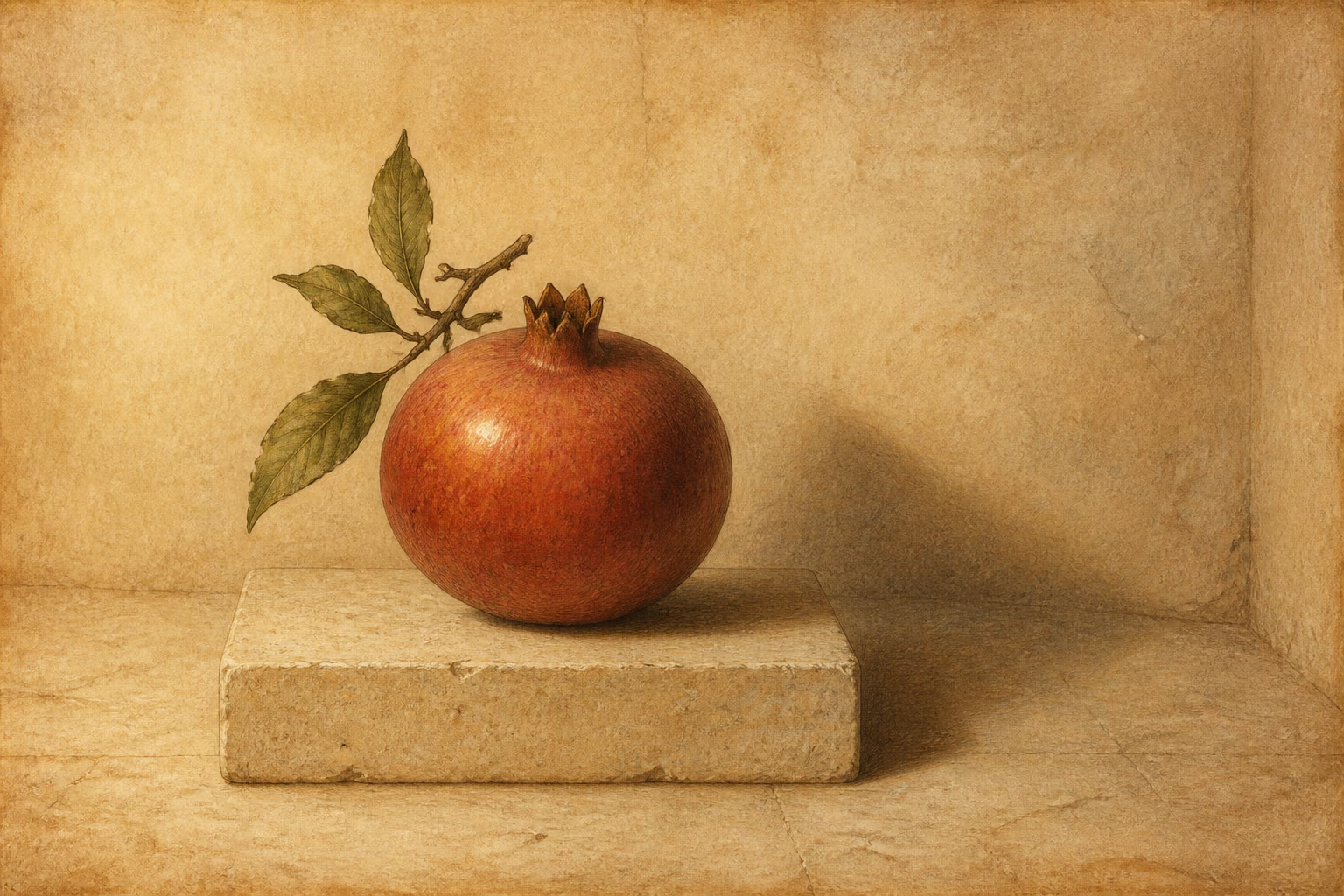
The art of painting at last became developed, in the invention of light and shade, the alternating contrast of the colours serving to heighten the effect of each. At a later period, again, lustre was added, a thing altogether different from light. The gradation between lustre and light on the one hand and shade on the other, was called “tonos;” while the blending of the various tints, and their passing into one another, was known as “harmoge.”