LIBER XXXV · CAPUT 6
PIGMENTS OTHER THAN THOSE OF A METALLIC ORIGIN. ARTIFICIAL COLOURS
Latine · Mayhoff 1906
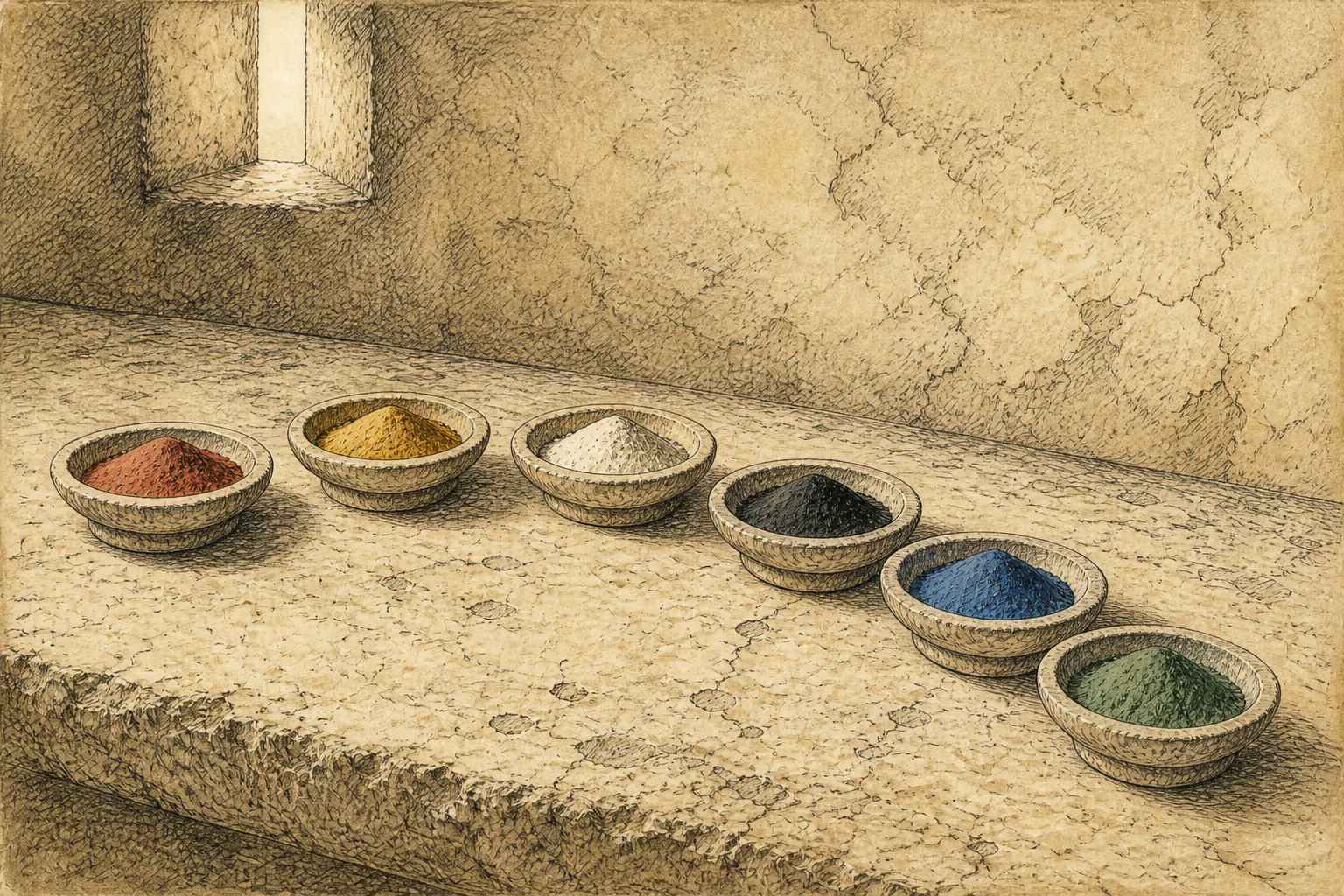
Sunt autem colores austeri aut floridi. utrumque natura aut mixtura evenit. floridi sunt—quos dominus pingenti praestat—minium, Armenium, cinnabaris, 20 chrysocolla, Indicum, purpurissum; ceteri austeri. ex omnibus alii nascuntur, alii fiunt. nascuntur Sinopis, rubrica, Paraetonium, Melinum, Eretria, auripigmentum; lceteri finguntur, primumque quos in metallis diximus, praeterea e vilioribus ochra, cerussa usta, sandaraca, sandyx, Syricum, atramentum.
Sinopis inventa primum in Ponto est; inde nomen a Sinope urbe. nascitur et in Aegypto, Baliaribus, Africa, sed optima in Lemno etin Cappadocia, effossa e speluncis. pars, quae saxis adhaesit, excellit. glaebis suns colos, extra maculosus. hac usi suntveteres ad splendorem. species Sinopidis tres: rubra et minus rubens atque inter haso media. pretium optimae $X$ II, usus ad penicillum aut si lignum colorare libeat; eius, quae ex Africa venit, octoni asses—cicerculum appellant—; magis ceteris rubet, utilior abacis. idem pretium et eius, quae pressior vocatur, et est maxime fusca. usus ad bases abacorum, in medicina vero blandus.... emplastrisque et malagmatis, sive sicca compositione sive liquida facilis, contra ulcera in umore sita, velut oris, sedis. alvum sistit infusa, feminarum profluvia pota denarii pondere. eadem adusta siccat scabritias oculorum, e vino maxime.
Rubricae genus in ea voluere intellegi quidam secundae auctoritatis, palmam enim Lemniae dabant. minio proxima haec est, multum antiquis celebrata cum insula, in qua nascitur. nec nisi signata venumdabatur, unde et sphragidem appellavere. hac minium sublinunt adulterantque. in medicina praeclara res habetur. epiphoras enim oculorum mitigat ac dolores circumlita et aegilopia manare prohibet, sanguinem reicientibus ex aceto datur bibenda. bibitur et contra lienum reniumque vitia et purgationes feminarum, item et contra venena et serpentium ictus terrestrium marinorumque, omnibus ideo antidotis familiaris.— E reliquis rubricae generibus fabris utilissima Aegyptia et Africana, quoniam maxime sorbentur tectoriis. *rubrica* autem nascitur et in ferrariis metallis. ea et fit ochra exusta * in ollis novis luto circumlitis. quo magis arsit in caminis, hoc melior. omnis autem rubrica siccat ideoque ex emplastris conveniet igni etiam sacro.
Sinopidis Ponticae selibrae silis lucidi libris X et Melini Graecensis II mixtis tritisque una per dies duo- denos leucophorum fit. hoc est glutinum auri, cum inducitur ligno.
Paraetonium loci nomen habet ex Aegypto. spumam maris esse dicunt solidatam cum limo, et ideo conchae minutae inveniuntur in eo. fit et in Creta insula atque Cyrenis. adulteratur Romae creta Cimolia decocta conspissataque. pretium optimo in pondo VI $X$ L. e candidis coloribus pinguissimum et tectorii tenacissimum propter levorem.
Melinum candidum et ipsum est, optimum in Melo insula. in Samo quod nascitur, eo non utuntur pictores propter nimiam pinguitudinem; accubantes effodiunt ibi inter saxa venam scrutantes. in medicina eundem usum habet quem Eretria creta; praeterea linguam tactu siccat, pilos detrahit smectica vi. pretium in libras sestertii singuli.
Tertius e candidis colos est cerussa, cuius rationem in plumbi metallis diximus. fuit et terra per se in Theodoti fundo inventa Zmyrnae, qua veteres ad navium picturas utebantur. nunc omnis ex plumbo et aceto fit, ut diximus. usta casu reperta est in incendio Piraeei cerussa in urceis cremata. hac primum usus est Nicias supra dictus. optima nunc Asiatica habetur, quae et purpurea appellatur. pretium eius in libras $X$ VI. fit et Romae cremato sile marmoroso et restincto aceto. sine usta non fiunt umbrae.
Eretria terrae suae habet nomen. hac Nicomachus et Parrhasius usi. refrigerat, emollit, explet volnera; si coquatur, ad siccanda praecipitur, utilis et capitis doloribus et ad deprehendenda pura; subesse enim ea -o intellegunt, si ex aqua inlita continuo arescat.
Sandaracam et ochram luba tradidit in insula Rubri maris Topazo nasci, sed inde non pervehuntur ad nos. sandaraca quomodo fieret diximus. fit et adulte- rina ex cerussa in fornace cocta. color esse debet flammeus. pretium in libras asses quini. haec si torreatur aequa parte rubrica admixta, sandycem facit, quamquam animadverto Vergilium existimasse herbam id esse illo versu: Sponte sua sandyx pascentis vestiat agnos. pretium in libras dimidium eius quod sandaracae. nec sunt alii colores maioris ponderis.
Inter facticios est et Syricum, quo minium subllini diximus. fit autem Sinopide et sandyce mixtis.
Atramentum quoque inter facticios erit, quamquam est et terrae, geminae originis. aut enim salsuginis modo emanat, aut terra ipsa sulpurei coloris ad hoc probatur. inventi sunt pictores, qui carbones infestatis sepulchris effoderent. inportuna haec omnia ac novicia. fit enim e fuligine pluribus modis, resina vel pice exustis, propter quod etiam officinas aedificavere fumum eum non emittentes. laudatissimum eodem modo fit e taedis. adulteratur fornacium balinearumque fuligine quo ad volumina scribenda utuntur. sunt qui et vini faecem siccatam excoquant adfirmentque, si ex bono vino faex ea fuerit, Indici speciem id atramentum praebere. Polygnotus et Micon, celeberrimi pictores, Athenis e vinaceis fecere, tryginon appellantes. Apelles commentus est ex ebore combusto facere, quod elephantinum vocatur. adportatur et Indicum ex India inexploratae adhuc inventionis mihi. fit etiam aput infectores ex flore nigro, qui adhaerescit aereis cortinis. fit et ligno e taedis combusto tritisque in mortario carbonibus. mira in hoc saepiarum natura, sed ex iis non fit. omne autem atramentum sole perficitur, librarium cumme, tectorium glutino admixto. quod aceto liquefactum est, aegre eluitur.
E reliquis coloribus, quos a dominis dari diximus propter magnitudinem pretii, ante omnes est purpurissum. creta argentaria cum purpuris pariter tinguitur bibitque eum colorem celerius lanis. praecipuum est primum, fervente aheno rudibus medicamentis inebriatum, proximum egesto eo addita creta in ius idem et, quotiens id factum est, elevatur bonitas pro numero dilutiore sanie. quare Puteolanum potius laudetur quam Tyrium aut Gaetulicum vel Laconicum, unde pretiosissimae purpurae; causa est quod hysgino maxime inficitur rubiaque, quae cogitur sorbere. vilissimum a Canusio. pretium a singulis denariis in libras ad XXX. pingentes sandyce sublita, mox ex ovo inducentes purpurissum, fulgorem minii faciunt. si purpurae facere malunt, caeruleum sublinunt, mox purpurissum ex ovo inducunt.
Ab hoc maxima auctoritas Indico. ex India venit harundinum spumae adhaerescente limo. cum cernatur, nigrum, at in diluendo mixturam purpurae caeruleique mirabilem reddit. alterum genus eius est in purpurariis officinis innatans cortinis, et est purpurae spuma. qui adulterant, vero Indico tingunt stercora columbina aut cretam Selinusiam vel anulariam vitro inficiunt. probatur carbone; reddit enim quod sincerum est flammam excellentis purpurae et, dum fumat, odorem maris. ob id quidam e scopulis id colligi putant. pretium Indico $X$ XX in libras. in medicina Indicum rigores et impetus sedat siccatque ulcera.
Armenia mittit quod eius nomine appellatur. lapis est, hic quoque chrysocollae modo infectus, optimumque est quod maxime vicinum et communicato colore cum caeruleo. solebant librae eius trecenis nummis taxari. inventa per Hispanias harena est similem curam recipiens; itaque ad denarios senos vilitas rediit. distat a caeruleo candore modico, qui teneriorem hunc efficit colorem. usus in medicina ad pilos tantum alendos habet maximeque in palpebris.
Sunt etiamnum novicii duo colores e vilissimis: viride est quod Appianum vocatur et chrysocollam mentitur, ceu parum multa dicta sint mendacia eius; fit e creta viridi, aestimatum sestertiis in libras. anulare quod vocant, candidum est, quo muliebres picturae inluminantur; fit et ipsum e creta admixtis vitreis gemmis e volgi anulis, inde et anulare dictum.
English · Bostock & Riley 1855–57
Colours are either sombre or florid, these qualities arising either from the nature, of the substances or their mode of combination. The florid colours are those which the employer supplies to the painter at his own expense; minium, namely, armenium, cinnabaris, chrysocolla, indicum, and purpurissum. The others are the sombre colours. Taking both kinds together, some are native colours, and others are artificial. Sinopis, rubrica, parætonium, melinum, eretria and orpiment, are native colours. The others are artificial, more particularly those described by us when speaking of metals; in addition to which there are, among the more common colours, ochra, usta or burnt ceruse, sandarach, sandyx, syricum, and atramentum.
Sinopis was discovered in Pontus; and hence its name, from the city of Sinope there. It is produced also in Egypt, the Balearic islands, and Africa; but the best is found in Lemnos and Cappadocia, being extracted from quarries there. That part is considered the best which has been found adhering to the rock. In the native mass, it has its own proper colour within, but is spotted on the exterior; the ancients made use of it for tone.
There are three kinds of sinopis, the red, the pale red, and the intermediate. The price of the best is twelve denarii per pound; it is used both for painting with the brush, and for colouring wood. The kind which comes from Africa sells at eight asses per pound; the name given to it is “cicerculum.” That which is of the deepest red is the most in use for colouring compartitions. The sinopis known as the dull kind, being of a very tawny complexion, sells also at the price of eight asses per pound; it is used principally for the lower parts of compartitions.
Used medicinally, sinopis is of a soothing nature, and is employed as an ingredient in plasters and emollient poultices. It admits of being easily used, whether in the form of a dry or of a liquid composition, for the cure of ulcers situate in the humid parts of the body, the mouth and the rectum, for instance. Used as an injection, it arrests looseness of the bowels, and, taken in doses of one denarius, it acts as a check upon female discharges. Applied in a burnt state, with wine in particular, it has a desiccative effect upon granulations of the eyelids.
Some persons have wished to make out that sinopis is nothing else but a kind of rubrica of second-rate quality, looking upon earth of Lemnos as a rubrics of the highest quality. This last approaches very nearly to minium, and was as highly esteemed among the ancients as the island that produces it: it was never sold except in sealed packages, a circumstance to which it was indebted for its additional name of “sphragis.” It is with this material that they give the under-coating to minium, in the adulteration of which it is also extensively employed.
In medicine it is very highly esteemed. Applied to the eyes in the form of a liniment, it allays defluxions and pains in those organs, and arrests the discharges from lachrymal fistulas. To persons vomiting blood, it is administered with vinegar to drink. It is taken also internally for affections of the spleen and kidneys; and by females for the purpose of arresting flooding. It is employed too, to counteract the effects of poisons, and of stings inflicted by sea or land serpents; hence it is that it is so commonly used as an ingredient in antidotes.
Of the other kinds of rubrica, those of Egypt and Africa are of the greatest utility to workers in wood, from the fact of their being absorbed with the greatest rapidity. They are used also for painting, and are found in a native state in iron-mines.
It is from rubrica also, that ochra is prepared, the rubrica being burnt in new earthen pots well luted with clay. The more highly it is calcined in the furnace, the better the colour is. All kinds of rubrica are of a desiccative nature, and hence it is that they are so useful for plasters, and as an application even for erysipelas.
Half a pound of Pontic sinopis, ten pounds of bright sil, and two pounds of Greek melinum, well mixed and triturated together for twelve successive days, produce “leucophoron,” a cement used for applying gold-leaf to wood.
Parætonium is so called from the place of that name in Egypt. It is sea-foam, they say, solidified with slime, and hence it is that minute shells are often found in it. It is prepared also in the Isle of Crete, and at Cyrenæ. At Rome, it is adulterated with Cimolian earth, boiled and thickened. The price of that of the highest quality is fifty denarii per six pounds. This is the most unctuous of all the white colours, and the most tenacious as a coating for plaster, the result of its smoothness.
Melinum, too, is a white colour, the best being the produce of the Isle of Melos. It is found also in Samos; but this last kind is never used by painters, in consequence of its being too unctuous. The persons employed in extracting it, lie at full length upon the ground, and search for the veins among the rocks. In medicine it is employed for much the same purposes as eretria; in addition to which, it dries the tongue, acts as a depilatory, and has a soothing effect. The price of it is one sestertius per pound.
The third of the white pigments is ceruse, the nature of which we have already explained when speaking of the ores of lead; there was also a native ceruse, formerly found on the lands of Theodotus at Smyrna, which the ancients made use of for painting ships. At the present day, all ceruse is prepared artificially, from lead and vinegar, as already stated.
Usta was accidentally discovered at a fire in the Piræus, some ceruse having been burnt in the jars there. Nicias, the artist above-mentioned, was the first to use it. At the present day, that of Asia, known also as “purpurea,” is considered the best. The price of it is six denarii per pound. It is prepared also at Rome by calcining marbled sil, and quenching it with vinegar. Without the use of usta shadows cannot be made.
Eretria takes its name from the territory which produces it. Nicomachus and Parrhasius made use of it. In a medicinal point of view, it is cooling and emollient. In a calcined state, it promotes the cicatrization of wounds, is very useful as a desiccative, and is particularly good for pains in the head, and for the detection of internal suppurations. If the earth, when applied with water, does not dry with rapidity, the presence of purulent matter is apprehended.
According to Juba, sandarach and ochra are both of them productions of the island of Topazus, in the Red Sea; but neither of them are imported to us from that place. The mode of preparing sandarach we have described already: there is a spurious kind also, prepared by calcining ceruse in the furnace. This substance, to be good, ought to be of a flame colour; the price of it is five asses per pound.
Calcined with an equal proportion of rubrica, sandarach forms sandyx; although I perceive that Virgil, in the following line, has taken sandyx to be a plant—
“Sandyx itself shall clothe the feeding lambs.”
The price of sandyx is one half that of sandarach; these two colours being the heaviest of all in weight.
Among the artificial colours, too, is syricum, which is used as an under-coating for minium, as already stated. It is prepared from a combination of sinopis with sandyx.
Atramentum, too, must be reckoned among the artificial colours, although it is also derived in two ways from the earth. For sometimes it is found exuding from the earth like the brine of salt-pits, while at other times an earth itself of a sulphurous colour is sought for the purpose. Painters, too, have been known to go so far as to dig up half-charred bones from the sepulchres for this purpose.
All these plans, however, are new-fangled and troublesome; for this substance may be prepared, in numerous ways, from the soot that is yielded by the combustion of resin or pitch; so much so, indeed, that manufactories have been built on the principle of not allowing an escape for the smoke evolved by the process. The most esteemed black, however, that is made in this way, is prepared from the wood of the torch-pine.
It is adulterated by mixing it with the ordinary soot from furnaces and baths, a substance which is also employed for the purpose of writing. Others, again, calcine dried wine-lees, and assure us that if the wine was originally of good quality from which the colour is made, it will bear comparison with that of indicum. Polygnotus and Micon, the most celebrated painters of Athens, made their black from grape-husks, and called it “tryginon.” Apelles invented a method of preparing it from burnt ivory, the name given to it being “elephantinon.”
We have indicum also, a substance imported from India, the composition of which is at present unknown to me. Dyers, too, prepare an atramentum from the black inflorescence which adheres to the brazen dye-pans. It is made also from logs of torch-pine, burnt to charcoal and pounded in a mortar. The sæpia, too, has a wonderful property of secreting a black liquid; but from this liquid no colour is prepared. The preparation of every kind of atramentum is completed by exposure to the sun; the black, for writing, having an admixture of gum, and that for coating walls, an admixture of glue. Black pigment that has been dissolved in vinegar is not easily effaced by washing.
Among the remaining colours which, as already stated, owing to their dearness are furnished by the employer, purpurissum holds the highest rank. For the purpose of preparing it, argentaria or silver chalk is dyed along with purple cloth, it imbibing the colour more speedily than the wool. The best of all is that which, being thrown the very first into the boiling cauldron, becomes saturated with the dye in its primitive state. The next best in quality is that which has been put into the same liquor, after the first has been removed. Each time that this is done, the quality becomes proportionally deteriorated, owing, of course, to the comparative thinness of the liquid. The reason that the purpurissum of Puteoli is more highly esteemed than that of Tyre, Gætulia, or Laconia, places which produce the most precious kinds of purple, is the fact that it combines more readily with hysginum, and that it is made to absorb the colouring liquid of madder. The worst purpurissum is that of Lanuvium.
The price of purpurissum is from one to thirty denarii per pound. Persons who use it in painting, place a coat of sandyx beneath; a layer on which of purpurissum with glair of egg, produces all the brilliant tints of minium. If, on the other hand, it is their object to make a purple, they lay a coat of cæruleum beneath, and purpurissum, with egg, upon it.
Next in esteem to this is indicum, a production of India, being a slime which adheres to the scum upon the reeds there. When powdered, it is black in appearance, but when diluted in water it yields a marvellous combination of purple and cæruleum. There is another kind, also, which floats upon the surface of the pans in the purple dye-houses, being the scum which rises upon the purple dye. Persons who adulterate it, stain pigeons’ dung with genuine indicum, or else colour Selinusian earth, or anularian chalk with woad.
The proper way of testing indicum is by laying it on hot coals, that which is genuine producing a fine purple flame, and emitting a smell like that of sea-water while it smokes: hence it is that some are of opinion that it is gathered from the rocks on the sea-shore. The price of indicum is twenty denarii per pound. Used medicinally, it alleviates cold shiverings and defluxions, and acts as a desiccative upon sores.
Armenia sends us the colouring substance which is known to us by its name. This also is a mineral, which admits of being dyed, like chrysocolla, and is best when it most closely resembles that substance, the colour being pretty much that of cæruleum. In former times it was sold at thirty sesterces per pound; but there has been found of late in the Spanish provinces a sand which admits of a similar preparation, and consequently armenium has come to be sold so low as at six denarii per pound. It differs from cæruleum in a certain degree of whiteness, which causes the colour it yields to be thinner in comparison. The only use made of it in medicine is for the purpose of giving nourishment to the hair, that of the eyelids in particular.
There are also two colours of very inferior quality, which have been recently discovered. One of these is the green known as “appianum,” a fair imitation of chrysocolla; just as though, we had not had to mention sufficient of these counterfeits already. This colour, too, is prepared from a green chalk, the usual price of it being one sesterce per pound.
The other colour is that known as “anularian white;” being used for giving a brilliant whiteness to the figures of females. This, too, is prepared from a kind of chalk, combined with the glassy paste which the lower classes wear in their rings: hence it is, that it has the name “anulare.”