LIBER XXXV · CAPUT 7
WHICH COLOURS DO NOT ADMIT OF BEING LAID ON A WET COATING
Latine · Mayhoff 1906
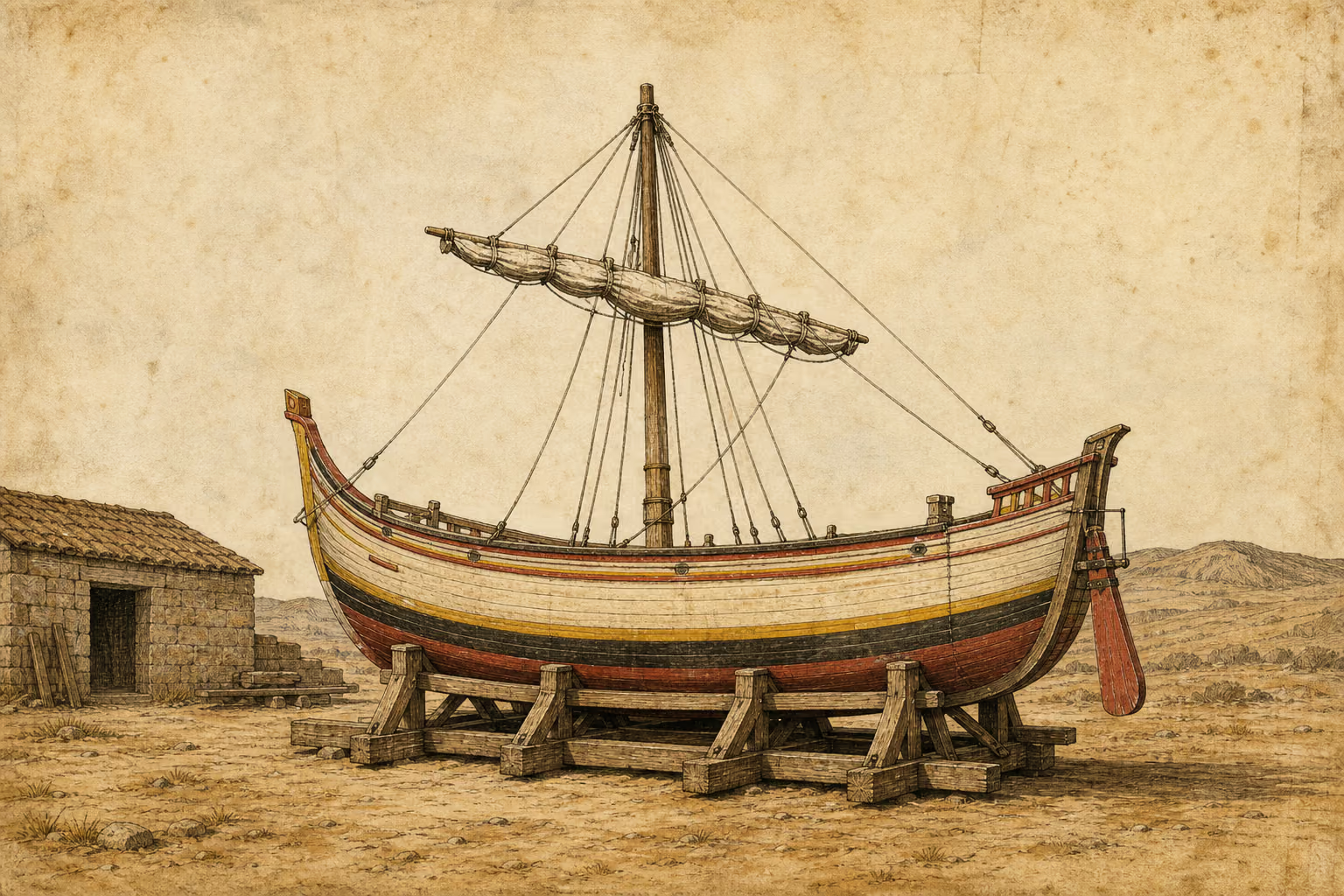
Ex omnibus coloribus cretulam amant udoque inlini recusant purpurissum, Indicum, caeruleum, Melinum, auripigmentum, Appianum, cerussa. cerae tinguntur isdem his coloribus ad eas picturas, quae inuruntur, alieno parietibus genere, sed classibus familiari, iam vero et onerariis navibus, quoniam et pericula expingimus, ne quis miretur et rogos pingi, iuvatque pugnaturos ad mortem aut certe caedem speciose vehi.
Qua contemplatione tot colorum tanta varietate subit antiquitatem mirari. quattuor coloribus solis immortalia illa opera fecere—ex albis Melino, e silaciis Attico, ex rubris Sinopide Pontica, ex nigris atramento—Apelles, Aetion, Melanthius, Nicomachus, clarissimi pictores, cum tabulae eorum singulae oppidorum venirent opibus. nunc et purpuris in parietes migrantibus et India conferente fluminum suorum limum, draconum elephantorumque saniem nulla nobilis pictura est. omnia ergo meliora tunc fuere, cum minor copia. ita est, quoniam, ut supra diximus, rerum, non animi pretiis excubatur.
Et nostrae aetatis insaniam in pictura non omittam. Nero princeps iusserat colosseum se pingi cxx pedum linteo, incognitum ad hoc tempus. ea pictura, cum peracta esset in Maianis hortis, accensa fulmine cum optima hortorum parte conflagravit. libertus eius, cum daret Anti munus gladiatorium, publicas porticus occupavit pictura, ut constat, gladiatorum ministrorumque omnium veris imaginibus redditis. hic multis iam saeculis summus animus in pictura, pingi autem gladiato??? munera atque in publico exponi coepta a C. Terentio Lucano. is avo suo, a quo adoptatus fuerat, triginta paria in foro per triduum dedit tabulamque pictam in nemore Dianae posuit.
English · Bostock & Riley 1855–57
Those among the colours which require a dry, cretaceous, coating, and refuse to adhere to a wet surface, are purpurissum, indicum, cæruleum, melinum, orpiment, appianum, and ceruse. Wax, too, is stained with all these colouring substances for encaustic painting; a process which does not admit of being applied to walls, but is in common use by way of ornament for ships of war, and, indeed, merchant-ships at the present day. As we go so far as to paint these vehicles of danger, no one can be surprised if we paint our funeral piles as well, or if we have our gladiators conveyed in handsome carriages to the scene of death, or, at all events, of carnage. When we only contemplate this extensive variety of colours, we cannot but admire the ingenuity displayed by the men of former days.
It was with four colours only, that Apelles, Echion, Melanthius, and Nicomachus, those most illustrous painters, executed their immortal works; melinum for the white, Attic sil for the yellow, Pontic sinopis for the red, and atramentum for the black; and yet a single picture of theirs has sold before now for the treasures of whole cities. But at the present day, when purple is employed for colouring walls even, and when India sends to us the slime of her rivers, and the corrupt blood of her dragons and her elephants, there is no such thing as a picture of high quality produced. Everything, in fact, was superior at a time when the resources of art were so much fewer than they now are. Yes, so it is; and the reason is, as we have already stated, that it is the material, and not the efforts of genius, that is now the object of research.
One folly, too, of this age of ours, in reference to painting, I must not omit. The Emperor Nero ordered a painting of himself to be executed upon canvass, of colossal proportions, one hundred and twenty feet in height; a thing till then unknown. This picture was just completed when it was burnt by lightning, with the greater part of the gardens of Maius, in which it was exhibited.
A freedman of the same prince, on the occasion of his exhibiting a show of gladiators at Antium, had the public porticos hung, as everybody knows, with paintings, in which were represented genuine portraits of the gladiators and all the other assistants. Indeed, at this place, there has been a very prevailing taste for paintings for many ages past. C. Terentius Lucanus was the first who had combats of gladiators painted for public exhibition: in honour of his grandfather, who had adopted him, he provided thirty pairs of gladiators in the Forum, for three consecutive days, and exhibited a painting of their combats in the Grove of Diana.