LIBER XXXVI · CAPUT 17
SARCOPHAGUS, OR STONE OF ASSOS: TEN REMEDIES
Latine · Mayhoff 1906
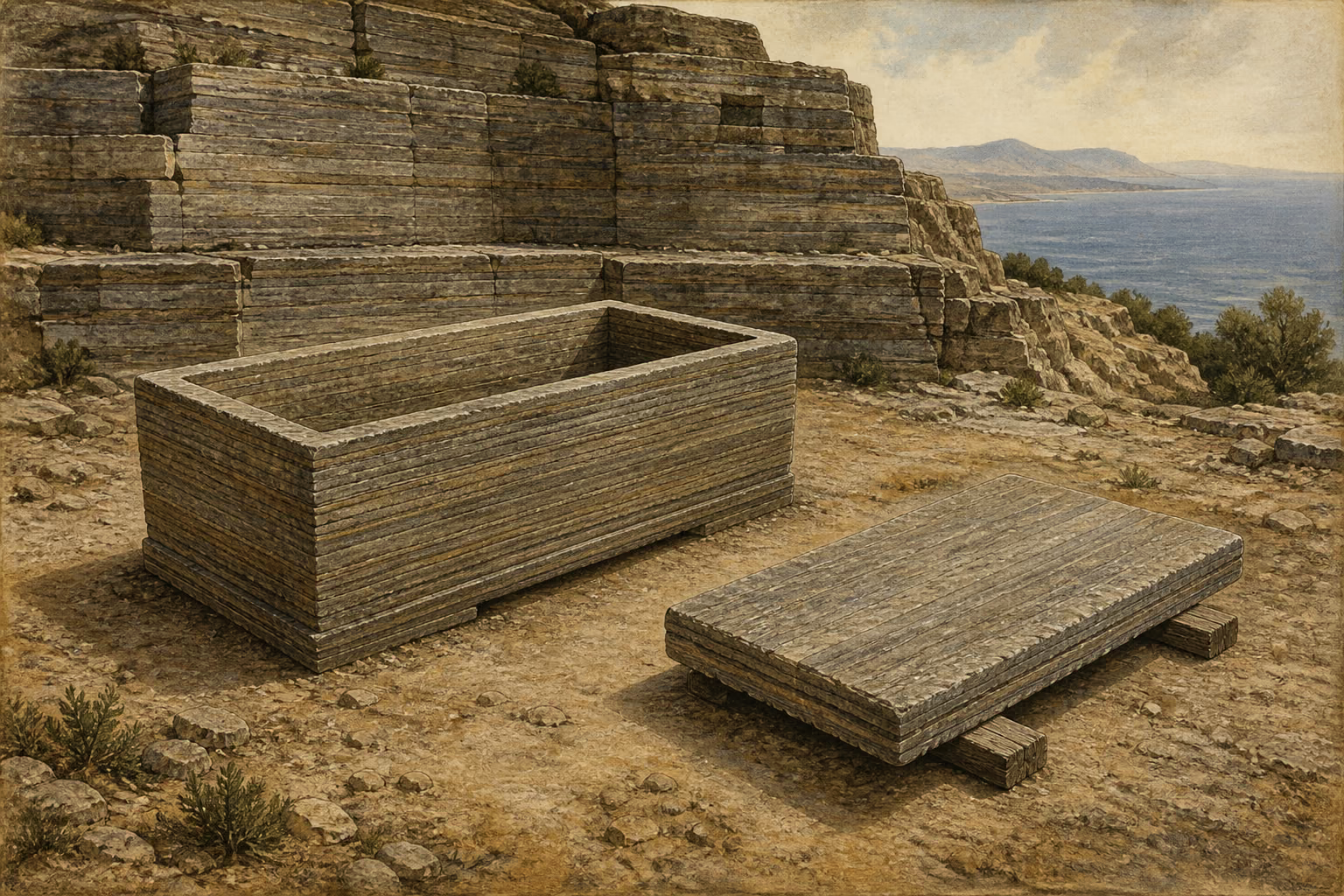
In Asso Troadis sarcophagus lapis fissili vena scinditur. corpora defunctorum condita in eo absumi constat intra XL diem exceptis dentibus. Mucianus specula quoque et strigiles et vestes et calciamenta inlata mortuis lapidea fieri auctor est. eiusdem generis et in Lycia saxa sunt et in oriente, quae viventibus quoque adalligata erodunt corpora.
Mitiores autem servandis corporibus nec absumendis chernites ebori simillimus, in quo Darium conditum ferunt, Parioque similis candore et duritia, minus tantum ponderosus, qui porus vocatur. Theophrastus auctor est et tralucidi lapidis in Aegypto, quem Chio similem ait. fortassis tunc fuerit, quoniam et desinunt et novi reperiuntur.
Assius gustatu salsus podagras lenit, pedibus in vas ex eo cavatum inditis. praeterea omnia crurum vitia in iis lapicidinis sanantur, cum in metallis omnibus crura vitientur. eiusdem lapidis flos appellatur, in farinam mollis ad quaedam perinde efficax. est autem similis pumici rufo. admixtus cerae Cypriae mammarum vitia sanat, pici autem resinaeve strumas et panos discutit. prodest et phthisicis linctu. cum melle vetera ulcera ad cicatrices perducit, excrescentia erodit et a bestiarum morsu repugnantia curationi suppurata siccat. fit cataplasma ex eo podagricis mixto fabae lomento.
English · Bostock & Riley 1855–57
At Assos in Troas, there is found a stone of a laminated texture, called “sarcophagus.” It is a well-known fact, that dead bodies, when buried in this stone, are consumed in the course of forty days, with the sole exception of the teeth. According to Mucianus, too, mirrors, body-scrapers, garments, and shoes, that have been buried with the dead, become transformed into stone. In Lycia, and in the East, there are certain stones of a similar nature, which, when attached to the bodies of the living even, corrode the flesh.
Less active in its properties is chernites, a stone which preserves bodies without consuming them, and strongly resembles ivory in appearance: the body of King Darius, they say, was buried in it. The stone that is known as “porus,” is similar to Parian marble in hardness and whiteness, but is not so heavy. Theophrastus mentions also a transparent stone that is found in Egypt, and is similar to stone of Chios in appearance; it is by no means improbable that it may have existed in his time, for stones, we know, disappear, and new kinds are discovered. The stone of Assos, which is saltish to the taste, modifies the attacks of gout, the feet being placed in a vessel made of it for the purpose; in addition to which, in the quarries of this stone, all maladies of the legs disappear, whereas, in mines in general, the legs become affected with disease. “Flower of stone of Assos” is the name given to a soft stone which crumbles into dust, and is found very efficacious in some cases; it resembles red pumice in appearance. In combination with Cyprian wax, this stone is curative of affections of the mamillæ; and, employed with pitch or resin, it disperses scrofulous sores and inflammatory tumours. Used in the form of an electuary, it is good for phthisis, and, with honey, it causes old sores to cicatrize, and consumes proud flesh. It is used, also, for the cure of wounds of an obstinate nature inflicted by animals, and acts as a desiccative upon suppurations. Plaisters, too, are made of it for gout, bean-meal being incorporated with it for the purpose.