LIBER XXXVI · CAPUT 2
WHO WAS THE FIRST TO EMPLOY MARBLE IN PUBLIC BUILDINGS
Latine · Mayhoff 1906
dicat fortassis aliquis: non enim invehebantur. id quidem falso. CCCLX columnas M. Scauri aedilitate ad scaenam theatri temporari et vix mense uno futuri in usu viderunt portari silentio legum. sed publicis nimirum indulgentes voluptatibus. id ipsum cur? aut qua magis via inrepunt vitia quam publica? quo enim alio modo in privatos usus venere ebora, aurum, gemmae? aut quid om- nino diis reliquimus? verum esto, indulserint publicis voluptatibus. etiamne tacuerunt, maximas earum atque adeo duodequadragenum pedum Lucullei marmoris in atrio Scauri conlocari? nec clam id occulteque factum est. satisdare sibi damni infecti coegit redemptor cloacarum, cum in Palatium eae traherentur. non ergo in tam malo exemplo moribus caveri utilius fuerat? tacuere tantas moles in privatam domum trahi praeter fictilia deorum fastigia!
English · Bostock & Riley 1855–57
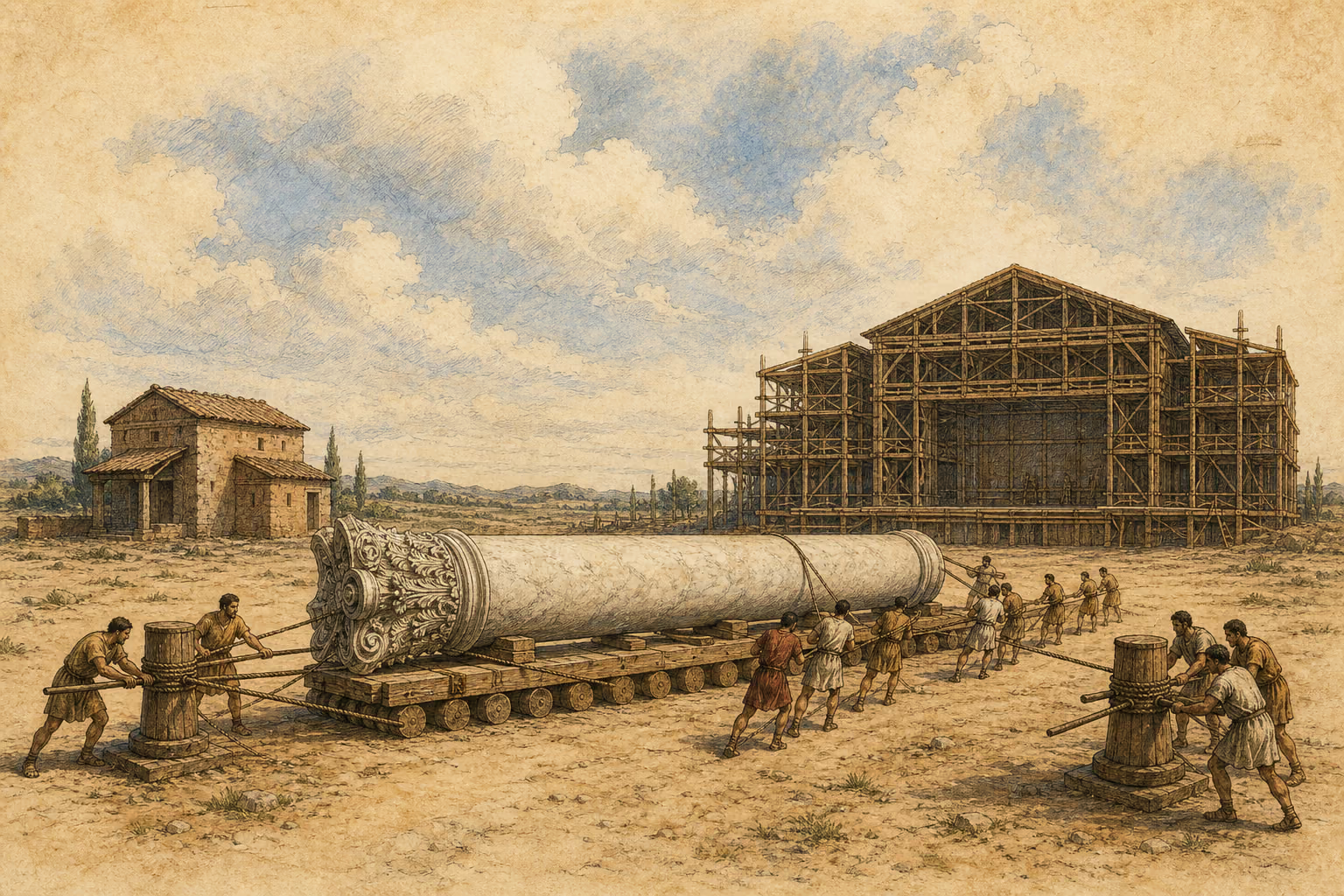
It may possibly be observed, that this was, because marble was not then introduced. Such, however, is not the fact; for in the ædileship of M. Scaurus, three hundred and sixty columns were to be seen imported; for the decorations of a temporary theatre, too, one that was destined to be in use for barely a single month. And yet the laws were silent thereon; in a spirit of indulgence for the amusements of the public, no doubt. But then, why such indulgence or how do vices more insidiously steal upon us than under the plea of serving the public? By what other way, in fact, did ivory, gold, and precious stones, first come into use with private individuals?
Can we say that there is now anything that we have reserved for the exclusive use of the gods? However, be it so, let us admit of this indulgence for the amusements of the public; but still, why did the laws maintain their silence when the largest of these columns, pillars of Lucullan marble, as much as eight-and-thirty feet in height, were erected in the atrium of Scaurus? a thing, too, that was not done privately or in secret; for the contractor for the public sewers compelled him to give security for the possible damage that might be done in the carriage of them to the Palatium. When so bad an example as this was set, would it not have been advisable to take some precautions for the preservation of the public morals? And yet the laws still preserved their silence, when such enormous masses as these were being carried past the earthenware pediments of the temples of the gods, to the house of a private individual!