LIBER IV · CAPUT 8
THESSALY PROPER
Latine · Mayhoff 1906
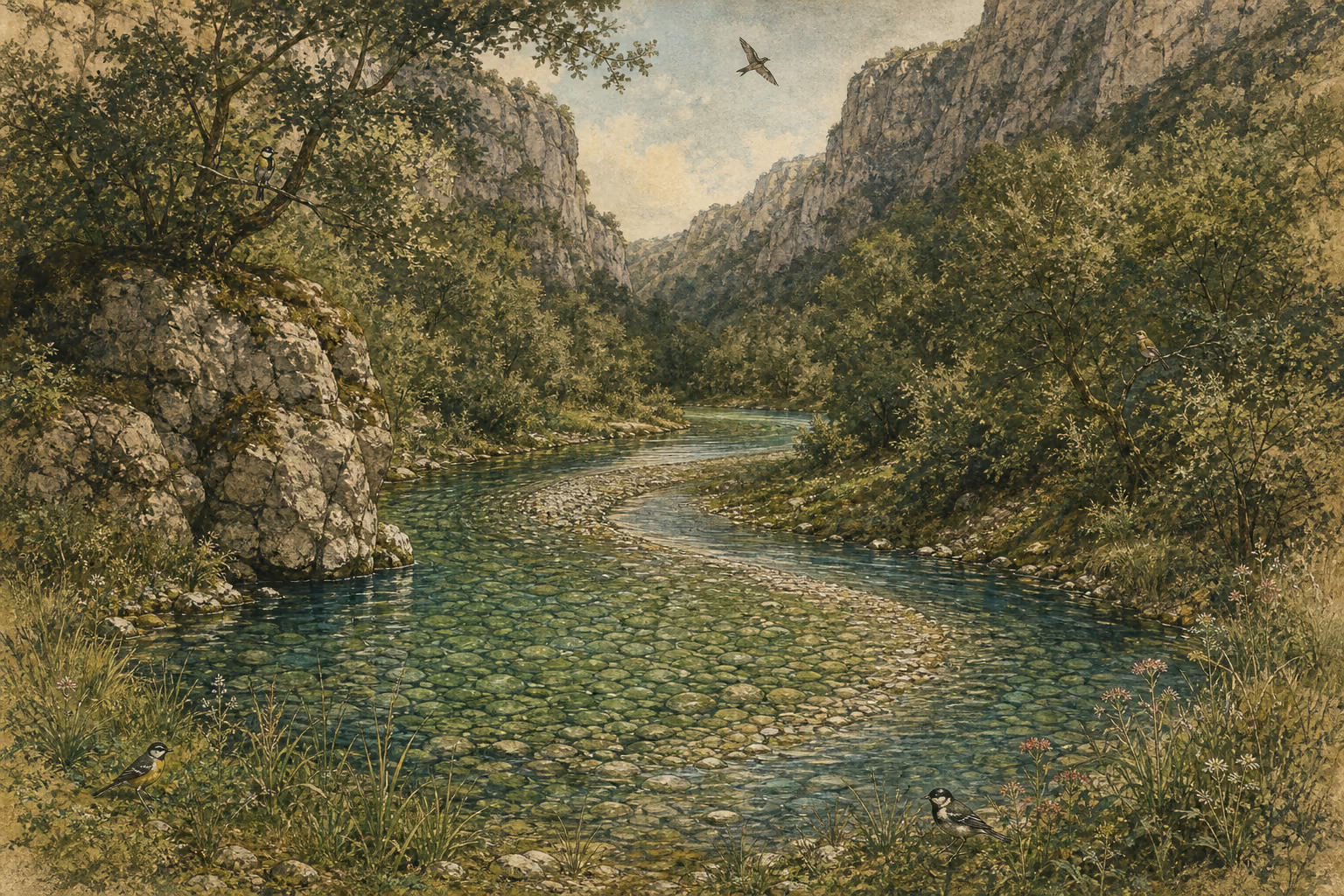
In Thessalia autem Orchomenus, Minyius antea dictus, et oppidum Alimon, ab aliis Holmon, Atrax, Palamna, fons Hyperia, oppida Pherae, quarum a tergo Pieria ad Macedoniam protenditur, Larisa, Gomphi, Thebae Thessalae, nemus Pteleon, sinus Pagasicus, oppidum Pagasa, idem postea Demetrias dictum, Tricca, Pharsali campi cum civitate libera, Crannon, Iletia. montes Phthiotidis Nymphaeus, quodam topiario naturae opere spectabilis, Buzygaeus, Donacoessa, Bromiaeus, Daphusa, Chimarone, Athamas, Stephane. in Thessalia quattuor atque triginta, quorum nobilissimi Cercetii, Olympus Pierius, Ossa, cuius ex adverso Pindus et Othrys, Lapitharum sedes, hi ad occasum vergentes, ad ortus Pelius, omnes theatrali modo inflexi, caveatis ante eos LXXV urbibus. flumina Thessaliae Apidanus, Phoenix, Enipeus, Onochonus, Pamisus, fons Messeis, lacus Boebeis et ante cunctos claritate Penius, ortus iuxta Gomphos interque Ossam et Olympum nemorosa convalle defluens D stadiis, dimidio eius spatii navigabilis. in eo cursu Tempe vocant, V??? passuum longitudine et ferme sesquiiugeri latitudine, ultra visum hominis attollentibus se dextra laevaque leniter convexis iugis, intus silva late viridante, ac labitur Penius viridis calculo, amoenus circa ripas gramine, canorus avium concentu. accipit amnem Horcon nec recipit, sed olei modo supernatantem, ut dictum est Homero, brevi spatio portatum abdicat, poenales aquas dirisque genitas argenteis suis misceri recusans.
English · Bostock & Riley 1855–57
In Thessaly is Orchomenus, formerly called the Minyan, and the towns of Almon, by some called Salmon, Atrax, and Pelinna; the Fountain of Hyperia; the towns also of Pheræ, at the back of which is Pieria, extending to Macedonia, Larisa, Gomphi, Thebes of Thessaly, the grove of Pteleon, the Gulf of Pagasa, the town of Pagasa, which was afterwards called Demetrias, the Plains of Pharsalia, with a free city of similar name, Crannon, and Iletia. The mountains of Phthiotis are Nymphæus, once so beautiful for its garden scenery, the work of nature; Busygæus, Donacesa, Bermius, Daphusa, Chimerion, Athamas, and Stephane. In Thessaly there are thirty-four, of which the most famous are Cercetii, Olympus, Pierus, and Ossa, opposite to which last are Pindus and Othrys, the abodes of the Lapithæ. These mountains look towards the west, Pelion towards the east, all of them forming a curve like an amphitheatre, in the interior of which, lying before them, are no less than seventy-five cities. The rivers of Thessaly are the Apidanus, the Phœnix, the Enipeus, the Onochonus, and the Pamisus. There is also the Fountain of Messeis, and the lake Bœbeis. The river Peneus too, superior to all others in celebrity, takes its rise near Gomphi, and flows down a well-wooded valley between Ossa and Olympus, a distance of five hundred stadia, being navigable half that distance. The vale, for a distance of five miles through which this river runs, is called by the name of Tempe; being a jugerum and a half nearly in breadth, while on the right and left, the mountain chain slopes away with a gentle elevation, beyond the range of human vision, the foliage imparting its colour to the light within. Along this vale glides the Peneus, reflecting the green tints as it rolls along its pebbly bed, its banks covered with tufts of verdant herbage, and enlivened by the melodious warblings of the birds. The Peneus receives the river Orcus, or rather, I should say, does not receive it, but merely carries its waters, which swim on its surface like oil, as Homer says; and then, after a short time, rejects them, refusing to allow the waters of a river devoted to penal sufferings and engendered for the Furies to mingle with his silvery streams.