LIBER V · CAPUT 15
JUDÆA
Latine · Mayhoff 1906
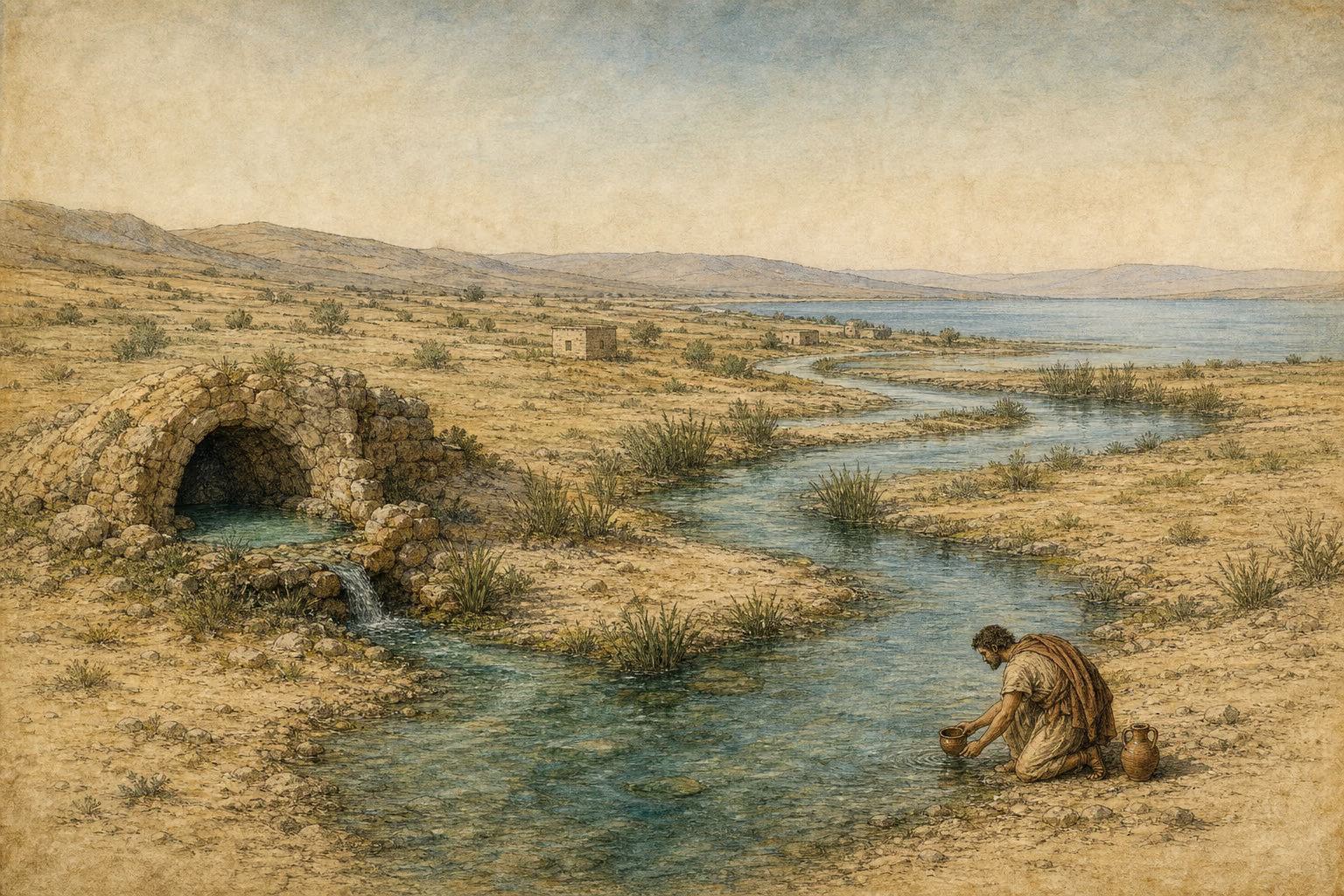
lordanes amnis oritur e fonte Paneade, qui cognomen dedit Caesareae, de qua dicemus. amnis amoenus et, quatenus locorum situs patitur, ambitiosus accolisque se praebens velut invitus Asphaltiten lacum dirum natura petit, a quo postremo ebibitur aquasque laudatas perdit, pestilentibus mixtas. ergo ubi prima convallium fuit occasio, in lacum se fundit, quem plures Genesaram vocant, XVI p. longitudinis, VI latitudinis, amoenis circumsaeptum oppidis, ab oriente Iuliade et Hippo, a meridie Tarichea, quo nomine aliqui et lacum appellant, ab occidente Tiberiade, aquis calidis salubri.
English · Bostock & Riley 1855–57
The river Jordanes rises from the spring of Panias, which has given its surname to Cæsarea, of which we shall have occasion to speak. This is a delightful stream, and, so far as the situation of the localities will allow of, winds along in its course and lingers among the dwellers upon its banks. With the greatest reluctance, as it were, it moves onward towards Asphaltites, a lake of a gloomy and unpropitious nature, by which it is at last swallowed up, and its bepraised waters are lost sight of on being mingled with the pestilential streams of the lake. For this reason it is that, as soon as ever the valleys through which it runs afford it the opportunity, it discharges itself into a lake, by many writers known as Genesara, sixteen miles in length and six wide; which is skirted by the pleasant towns of Julias and Hippo on the east, of Tarichea on the south (a name which is by many persons given to the lake itself), and of Tiberias on the west, the hot springs of which are so conducive to the restoration of health.