LIBER V · CAPUT 19
PHŒNICE
Latine · Mayhoff 1906
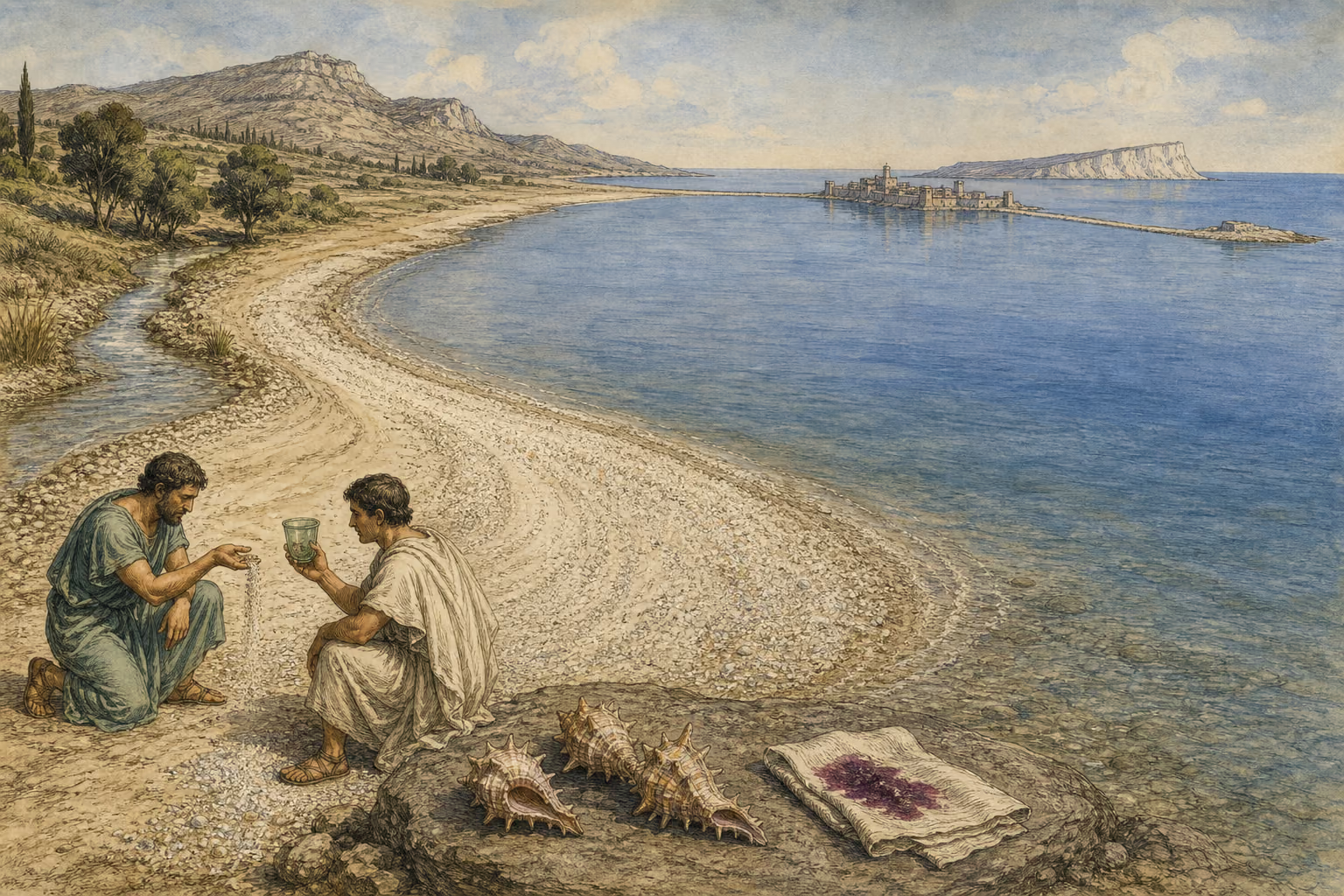
Hinc redeundum est ad oram atque Phoenicen. fuit oppidum Crocodilon, est flumen. memoria urbium Dorum, Sycaminum. promunturium Carmelum et in monte oppidum eodem nomine, quondam Acbatana dictum. iuxta Getta, Geba, rivus Pacida sive Belus, vitri fertiles harenas parvo litori miscens; ipse e palude Cendebia a radicibus Carmeli profluit. iuxta colonia Claudi Caesaris Ptolemais, quae quondam Acce. oppidum Ecdippa, promunturium Album. Tyros, quondam insula praealto mari DCC passibus divisa, nune vero Alexandri oppugnantis operibus continens; olim partu clara, urbibus genitis Lepti, Vtica et illa aemula terrarumque orbis avida Carthagine, etiam Gadibus extra orbem conditis: nunc omnis eius nobilitas conchylio atque purpura constat. circuitus XVIIII est, intra Palaetyro inclusa; oppidum ipsum XXII stadia optinet. inde Sarepta et Ornithon oppida et Sidon, artifex vitri Thebarumque Boeotiarum parens.
English · Bostock & Riley 1855–57
We must now return to the coast and to Phœnice. There was formerly a town here known as Crocodilon; there is still a river of that name: Dorum and Sycaminon are the names of cities of which the remembrance only exists. We then come to the Promontory of Carmelus, and, upon the mountain, a town of that name, formerly called Acbatana. Next to this are Getta, Jeba, and the river Pacida, or Belus, which throws up on its narrow banks a kind of sand from which glass is made: this river flows from the marshes of Cendebia, at the foot of Mount Carmelus. Close to this river is Ptolemais, formerly called Ace, a colony of Claudius Cæsar; and then the town of Ecdippa, and the promontory known as the White Promontory. We next come to the city of Tyre, formerly an island, separated from the mainland by a channel of the sea, of great depth, 700 paces in width, but now joined to it by the works which were thrown up by Alexander when besieging it,—the Tyre so famous in ancient times for its offspring, the cities to which it gave birth, Leptis, Utica, and Carthage,—that rival of the Roman sway, that thirsted so eagerly for the conquest of the whole earth; Gades, too, which she founded beyond the limits of the world. At the present day, all her fame is confined to the production of the murex and the purple. Its circumference, including therein Palætyrus, is nineteen miles, the place itself extending twenty-two stadia. The next towns are Sarepta and Ornithon, and then Sidon, famous for its manufacture of glass, and the parent of Thebes in Bœotia.