LIBER V · CAPUT 31
THE ISLANDS WHICH LIE IN FRONT OF ASIA
Latine · Mayhoff 1906
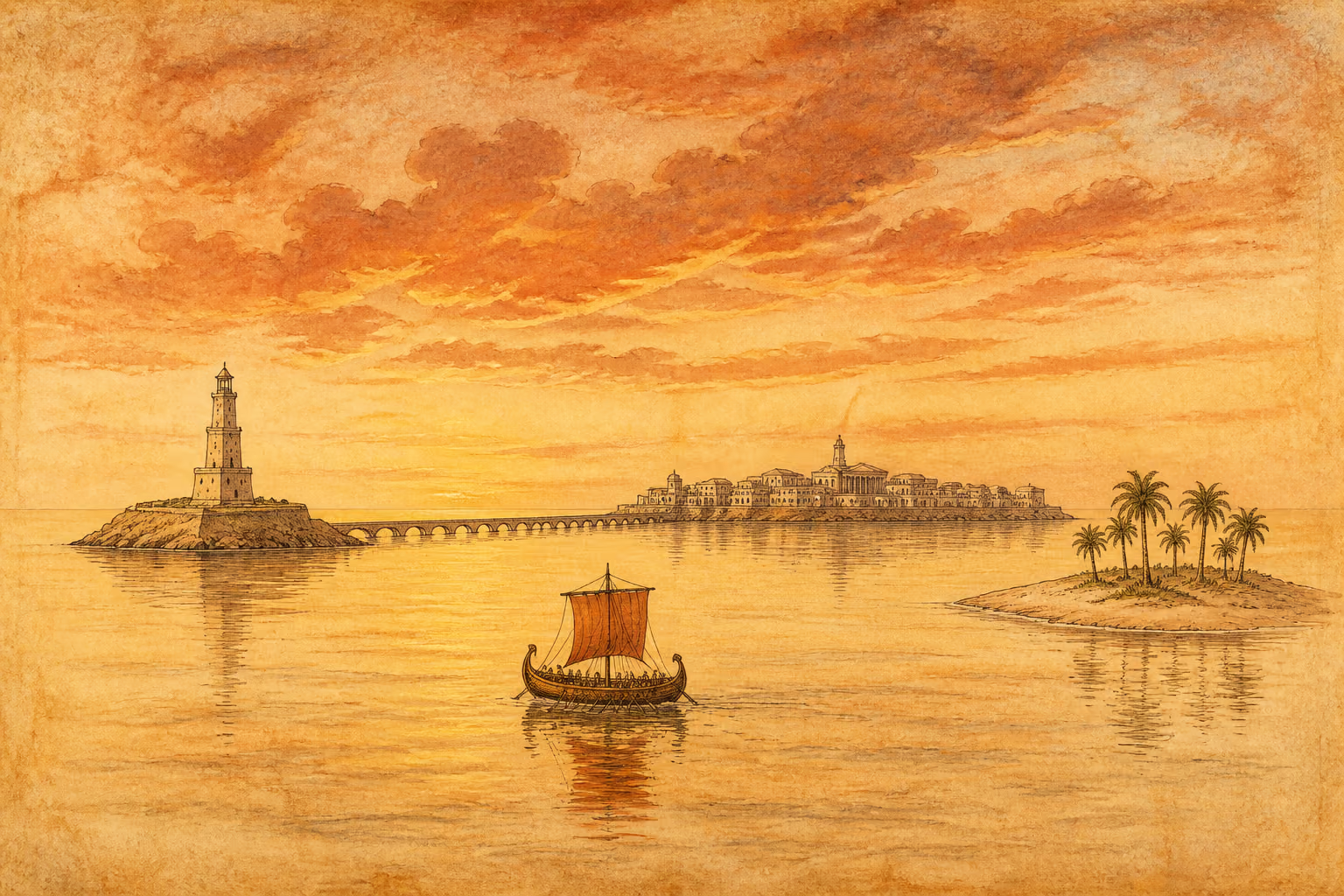
Insularum ante Asiam prima est in Canopico ostio Nili, a Canopo, Menelai gubernatore, ut ferunt, dicta; altera iuncta ponte Alexandriae, colonia Caesaris dictatoris, Pharos, quondam diei navigatione distans ab Aegypto, nunc e turri nocturnis ignibus cursum navium regens: namque fallacibus vadis Alexandria tribus omnino aditur alveis mari, Stegano, Posideo, Tauro. in Phoenicio deinde mari est ante Iopen Paria, tota oppidum, in qua obiectam beluae Andromedam ferunt, et iam dicta Arados, inter quam et continentem L cubita alto mari, ut auctor est Mucianus, e fonte dulcis aqua tubo coriis facto usque a vado trahitur.
Pamphylium mare ignobiles insulas habet, Cilicium ex quinque maximis Cyprum, ad ortum occasumque Ciliciae ac Syriae obiectam, quondam novem regnorum sedem. huius circuitum Timosthenes CCCCXXVII. D p. prodidit, Isidorus CCCLXXV. longitudinem inter duo promunturia, Clidas et Acamanta, quod est ab occasu, Artemidorus CLXII.D, Timosthenes CC; vocatam ante Acamantida Philonides, Cerastim Xenagoras et Aspeliam et Amathusiam et Macariam, Astynomus Crypton et Colinian. oppida in ea XV, Nea Paphos, Palaepaphos, Curias, Citium, Corinaeum, Salamis, Amathus, Lapethos, Soloe, Tamasos, Epidaurum, Chytri, Arsinoe, Carpasium, Golgoe. fuere et Cinyria, Mareum, Idalium. abest ab Anemurio Ciliciae L???. mare quod praetenditur vocant Aulona Cilicium. in eodem situ Elaeusa insula est et quattuor ante promunturium ex adverso Syriae Clides rursusque ab altero capite Stiria, contra Neam Paphum Hiera Cepia, contra Salamina Salaminiae, in Lycio autem mari Idyris, Telendos, Attelebussa, Cypriae tres steriles et Dionysia, prius Charaeta dicta, dein contra Tauri promunturium pestiferae navigantibus Chelidoniae totidem, ab iis cum oppido Leucolla, Pactyae, Lasia, Nymphais, Macris, Megista, cuius civitas interiit. multae deinde ignobiles, sed contra Chimaeram Dolichiste, Choerogylion, Crambusa, Rhoge, Xenagora VIII, Daedaleon duae, Cryeon tres, Strongyle et contra Sidyma Antiochi Glaucumque versus amnem Lagusa, Macris, Didymae, Helbo, Scope, Aspis et, in qua oppidum interiit, Telandria proximaque Cauno Rhodusa.
Sed pulcherrima est libera Rhodos, circuitu CXXV aut, si potius Isidoro credimus, CIII, habitata urbibus Lindo, Camiro, Ialyso, nunc Rhodo. distat ab Alexandria Aegypti DLXXXIII, ut Isidorus tradit, ut Eratosthenes, CCCCLXVIIII, ut Mucianus D???, a Cypro CLXXVI. vocitata est antea Ophiusa, Asteria, Aethria, Trinacrie, Corymbia, Poeeessa, Atabyria ab rege, dein Macaria et Oloessa. Rhodiorum insulae Carpathus, quae mari nomen dedit, Casos, Hagne, Eulimna, Nisyros, distans a CnidoXV.D, Porphyris antea dicta, et eodem tractu media inter Rhodum Cnidumque Syme; cingitur XXXVII.D, portus benigne praebet VIII. praeter eas circa Rhodum Cyclopis, Teganon, Cordylusa, Diabatae IIII, Hymos, Chalce cum oppido, Teutlusa, Narthecusa, Dimastos, Progne et a Cnido Cisserusa, Therionarcia, Calydne cum tribus oppidis, Notio, Nisyro, Mendetero, et in Arconneso oppidum Ceramus. in Cariae ora quae vocantur Argiae numero XX et Hyetusa, Lepsia, Leros. nobilissima autem in eo sinu Coos, ab Halicarnaso XV distans, circuitu C???, ut plures existimant, Merope vocata, Cea, ut Staphylus, Meropis, ut Dionysius, dein Nymphaea. mons ibi Prion; et Nisyron abruptam illi putant, quae Porphyris antea dicta est. Caryanda cum oppido, nec procul ab Halicarnaso Pidossus; in Ceramico autem sinu Priaponesos, Hipponesos, Pserima, Lampsa, Aemyndus, Passala, Crusa, Pyrraethusa, Sepiusa, Melano paulumque a continente distans quae vocata est Cinaedopolis, probrosis ibi relictis a rege Alexandro.
Ioniae ora Aegeas et Corseas habet et Icaron, de qua dictum est, Laden, quae prius Late vocabatur, atque inter ignobiles aliquot duas Camelitas Mileto vicinas, Mycalae Trogilias tres, Philion, Argennon, Sandalion, Samon liberam, circuitu LXXXVII.D aut, ut Isidorus, C???. Partheniam primum appellatam Aristoteles tradit, postea Dryusam, deinde Anthemusam; Aristocritus adicit Melamphyllum, dein Cyparissiam, alii Parthenoarrhusam, Stephanen. amnes in ea Imbrasus, Chesius, Hibiethes, fontes Gigartho, Leucothea, mons Cercetius. adiacent insulae Rhypara, Nymphaea, Achillea.
Par claritate ab ea distat XCIIII cum oppido Chios libera, quam Aethaliam Ephorus prisco nomine appellat, Metrodorus et Cleobulus Chiam a Chione nympha, aliqui a nive, et Macrim et Pityusam. montem hahet Pelinnaeum, marmor Chium. circuitu CXXV colligit, ut veteres tradidere, Isidorus VIIII adicit. posita est inter Samum et Lesbum, ex adverso maxime Erythrarum. finitimae sunt Tellusa, quam alii Daphnusam scribunt, Oenusa, Elaphitis, Euryanassa, Arginusa cum oppido. iam hae circa Ephesum et quae Pisistrati vocantur Anthinae, Myonnesos, Diarrheusa - in utraque oppida intercidere —, Poroselene cum oppido, Cerciae, Halone, Commone, Illetia, Lepria, Aethre, Sphaeria, Procusae, Bolbulae, Pheate, Priapos, Syce, Melane, Aenare, Sidusa, Pele, Drymusa, Anhydros, Scopelos, Sycusa, Marathusa, Psile, Perirrheusa multaeque ignobiles. clara vero in alto Teos cum oppido, a Chio LXXII.D, tantundem ab Erythris. iuxta Zmyrnam sunt Peristerides, Carteria, Alopece, Elaeusa, Bacchina, Pystira, Crommyonesos, Megale, ante Troada Ascaniae, Plateae tres, dein Lamiae, Plitaniae duae, Plate, Scopelos, Getone, Arthedon, Coele, Lagusae, Didymae.
Clarissima autem Lesbos, a Chio LXV, Himerte et Lasia, Pelasgia, Aegira, Aethiope, Macaria appellata. fuit VIIII oppidis incluta: ex his Pyrrha hausta est mari, Arisbe terrarum motu subversa, Antissam Methymna traxit in se, ipsa VIIII urbibus Asiae in XXXVII p. vicina. et Agamede obiit et Hiera; restant Eresos, Pyrrha et libera Mytilene, annis MD potens. tota insula circuitur, ut Isidorus, CLXVIII, ut veteres, CXCV. montes habet Lepetymnum, Ordymnum, Macistum, Creonem, Olympum. a proxima continente abest VII. D p. insulae adpositae Sandalium, Leucae V, ex iisCydonea cum fonte calido. Arginusae ab Aege IIII p. distant. dein Phellusa, Pedna. extra Hellespontum adversa Sigeo litori iacet Tenedus, Leucophrys dicta et Phoenice et Lyrnesos; abest a Lesbo LVI, a Sigeo XII.D.
English · Bostock & Riley 1855–57
Of the islands which lie before Asia the first is the one situate in the Canopic Mouth of the Nile, and which received its name, it is said, from Canopus, the pilot of Menelaüs. A second, called Pharos, is joined by a bridge to Alexandria, and was made a colony by the Dictator Cæsar. In former times it was one day’s sail from the mainland of Egypt; at the present day it directs ships in their course by means of the fires which are lighted at night on the tower there; for in consequence of the insidious nature of the shoals, there are only three channels by which Alexandria can be approached, those of Steganus, Posideum and Taurus.
In the Phœnician Sea, before Joppe there is the island of Paria, the whole of it forming a town. Here, they say, Andromeda was exposed to the monster: the island also of Arados, already mentioned, between which and the continent, as we learn from Mucianus, at a depth of fifty cubits in the sea, fresh water is brought up from a spring at the very bottom by means of leather pipes.
The Pamphylian Sea contains some islands of little note. The Cilician, besides four others of very considerable size, has Cyprus, which lies opposite to the shores of Cilicia and Syria, running east and west; in former times it was the seat of nine kingdoms. Timosthenes states that the circumference of this island is 427 miles, Isidorus 375; its length, between the two Promontories of Dinæ and Acamas lying on the west, is, according to Artemidorus, 160 1 ⁄ 2 miles, according to Timosthenes, 200. Philonides says that it was formerly called Acamantis, Xenagoras that it had the names of Cerastis, Aspelia, Amathusia, and Macaria, while Astynomus gives it the names of Cryptos and Colinia. Its towns are fifteen in number, Neapaphos, Palæpaphos, Curias, Citium, Corineum, Salamis, Amathus, Lapethos, Solœ, Tamasos, Epidarum, Chytri, Arsinoë, Carpasium, and Golgi. The towns of Cinyria, Marium, and Idalium are no longer in existence. It is distant from Anemurium in Cilicia fifty miles; the sea which runs between the two shores being called the Channel of Cilicia. In the same locality is the island of Eleusa, and the four islands known as the Clides, lying before the promontory which faces Syria; and again at the end of the other cape is Stiria: over against Neapaphos is Hierocepia, and opposite to Salamis are the Salaminiæ.
In the Lycian Sea are the islands of Illyris, Telendos, and Attelebussa, the three barren isles called Cypriæ, and Dionysia, formerly called Caretha. Opposite to the Promontory of Taurus are the Chelidoniæ, as many in number, and extremely dangerous to mariners. Further on we find Leucolla with its town, the Pactyæ, Lasia, Nymphäis, Macris, and Megista, the city on which last no longer exists. After these there are many that are not worthy of notice. Opposite, however, to Cape Chimæra is Dolichiste, Chœrogylion, Crambussa, Rhoge, Enagora, eight miles in circumference, the two islands of Dædala, the three of Crya, Strongyle, and over against Sidyma the isle of Antiochus. Towards the mouth of the river Glaucus, there are Lagussa, Macris, Didymæ, Helbo, Scope, Aspis, Telandria, the town of which no longer exists, and, in the vicinity of Caunus, Rhodussa.
But the fairest of them all is the free island of Rhodes, 125, or, if we would rather believe Isidorus, 103 miles in circumference. It contains the inhabited cities of Lindos, Camirus, and Ialysus, now called Rhodos. It is distant from Alexandria in Egypt, according to Isidorus, 583 miles; but, according to Eratosthenes, 469. Mucianus says, that its distance from Cyprus is 166. This island was formerly called Ophiussa, Asteria, Æthria, Trinacrie, Corymbia, Pœeëssa, Atabyria, from the name of one of its kings; and, in later times, Macaria and Oloessa. The islands of the Rhodians are Carpathus, which has given its name to the surrounding sea; Casos, formerly known as Achne; Nisyros, twelve miles distant from Cnidos, and formerly called Porphyris; and, in the same vicinity, midway between Rhodes and Cnidos, Syme. This island is thirty-seven miles and a half in circumference, and welcomes us with eight fine harbours. Besides these islands, there are, in the vicinity of Rhodes, those of Cyclopis, Teganon, Cordylussa, the four islands called Diabetæ, Hymos, Chalce, with its city of that name, Seutlussa, Narthecussa, Dimastos, Progne; and, off Cnidos, Cisserussa, Therionarce, and Calydne, with the three towns of Notium, Nisyros, and Mendeterus. In Arconnesus there is the town of Ceramus. Off the coast of Caria, there are the islands known as the Argiæ, twenty in number; also Hyetussa, Lepsia, and Leros.
The most noted island, however, in this gulf is that of Cos, fifteen miles distant from Halicarnassus, and 100 in circumference, according to the opinion of many writers. It was formerly called Merope; according to Staphylus, Cea; Meropis, as Dionysius tells us; and, after that, Nymphæa. In this island there is Mount Prion. Nisyros, formerly called Porphyris, is supposed to have been severed from the island of Cos. We next come to the island of Caryanda, with a city of that name, and that of Pidosus, not far from Halicarnassus. In the Gulf of Ceramicus we also find Priaponnesos, Hipponnesos, Psyra, Mya, Lampsa, Æmyndus, Passala, Crusa, Pinnicussa, Sepiussa, and Melano. At a short distance from the mainland is an island which bears the name of Cinædopolis, from the circumstance that King Alexander left behind there certain persons of a most disgraceful character.
The coast of Ionia has the islands of Trageæ, Corseæ, and Icaros, which has been previously mentioned; Lade, formerly called Late; and, among others of no note, the two Camelidæ, in the vicinity of Miletus; and the three Trogiliæ, near Mycale, consisting of Philion, Argennon, and Sandalion. There is Samos also, a free island, eighty-seven miles in circumference, or, according to Isidorus, 100. Aristotle tells us, that it was at first called Parthenia, after that Dryussa, and then Anthemussa. To these names Aristocritus has added Melamphyllus and Cyparissia: other writers, again, call it Parthenoarussa and Stephane. The rivers of this island are the Imbrasus, the Chesius, and the Ibettes. There are also the fountains of Gigartho and Leucothea; and Mount Cercetius. In the vicinity of Samos are the islands of Rhypara, Nymphæa, and Achillea.
At a distance of ninety-four miles from Samos is the free island of Chios, its equal in fame, with a town of the same name. Ephorus says, that the ancient name of this island was Æthalia; Metrodorus and Cleobulus tell us, that it had the name of Chia from the nymph Chione; others again say, that it was so called from the word signifying snow; it was also called Macris and Pityusa. It has a mountain called Pelennæus; and the Chian marble is well known. It is 125 miles in circumference, according to the ancient writers; Isidorus however makes it nine more. It is situate between Samos and Lesbos, and, for the most part, lies opposite to Erythræ.
The adjacent islands, are Thallusa, by some writers called Daphnusa, Œnussa, Elaphitis, Euryanassa, and Arginusa, with a town of that name. All these islands are in the vicinity of Ephesus, as also those called the Islands of Pisistratus, Anthinæ, Myonnesos, Diarreusa,—in both of these last there were cities, now no longer in existence,—Poroselene, with a city of that name, Cerciæ, Halone, Commone, Illetia, Lepria and Rhesperia, Procusæ, Bolbulæ, Phanæ, Priapos, Syce, Melane, Ænare, Sidusa, Pele, Drymusa, Anhydros, Scopelos, Sycussa, Marathussa, Psile, Perirreusa, and many others of no note. In the main sea lies the celebrated island of Teos, with a city of that name, seventy-one miles and a half distant from Chios, and the same from the Erythræ.
In the vicinity of Smyrna are the Peristerides, Carteria, Alopece, Elæussa, Bachina, Pystira, Crommyonnesos, and Megale. Facing Troas there are the Ascaniæ, and the three islands called Plateæ. We find also the Lamiæ, the two islands called Plitaniæ, Plate, Scopelos, Getone, Arthedon, Cœlæ, Lagussæ, and Didymæ.
But Lesbos, distant from Chios sixty-five miles, is the most celebrated of them all. It was formerly called Himerte, Lasia, Pelasgia, Ægira, Æthiope, and Macaria, and is famous for its nine cities. Of these, however, that of Pyrrha has been swallowed up by the sea, Arisbe has perished by an earthquake, and Methymna is now united to Antissa; these lie in the vicinity of nine cities of Asia, along a coast of thirty-seven miles. The towns of Agamede and Hiera have also perished. Eresos, Pyrrha, and the free city of Mitylene, still survive, the last of which was a powerful city for a space of 1500 years. The circumference of the whole island is, according to Isidorus, 168 miles, but the older writers say 195. Its mountains are, Lepethymnus, Ordymnus, Macistus, Creon, and Olympus. It is distant seven miles and a half from the nearest point of the mainland. The islands in its vicinity are, Sandaleon, and the five called Leucæ; Cydonea, which is one of them, contains a warm spring. The Arginussæ are four miles distant from Æge; after them come Phellusa and Pedna. Beyond the Hellespont, and opposite the shore of Sigeum, lies Tenedos, also known by the names of Leucophrys, Phœnice, and Lyrnesos. It is distant from Lesbos fifty-six miles, and twelve and a half from Sigeum.