LIBER V · CAPUT 8
COUNTRIES ON THE OTHER SIDE OF AFRICA
Latine · Mayhoff 1906
Interiore autem ambitu Africae ad meridiem versus superque Gaetulos, intervenientibus desertis, primi omnium Libyes Aegyptii, deinde Leucoe Aethiopes habitant. super eos Aethiopum gentes Nigritae a quo dictum est filumine, Gymnetes Pharusi, iam oceanum attingentes quos in Mauretaniae fine diximus Perorsi. ab his omnibus vastae solitudines orientem versus usque ad Garamantas Augilasque et Trogodytas, verissima opinione eorum, qui desertis Africae duas Aethiopias superponunt, et ante omnes Homeri, qui bipertitos tradit Aethiopas, ad orientem occasumque versos. Nigri fluvio eadem natura quae Nilo. calamum ac papyrum et easdem gignit animantes isdemque temporibus augescit. oritur inter Tarraelios Aethiopas et Oechalicas. horum oppidum Magium. quidam solitudinibus interposuerunt Atlantas, iuxta eas Aegipanas semiferos et Blemmyas et Gamphasantas et Satyros et Himantopodas. Atlantes degeneres sunt humani ritus, si credimus. nam neque nominum ullorum inter ipsos appellatio est et solem orientem occidentemque dira inprecatione contuentur ut exitialem ipsis agrisque, neque in somno visunt qualia reliqui mortales. Trogodytae specus excavant; hae illis domus, victus serpentium carnes, stridorque, non vox: adeo sermonis commercio carent. Garamantes matrimoniorum exortes passim cum feminis degunt. Augilae inferos tantum colunt. Gamphasantes, nudi proeliorumque expertes, nulli externo congregantur. Blemmyis traduntur capita abesse, ore et oculis pectori adfixis; Satyris praeter figuram nihil moris humani; Aegipanum qualis vulgo pingitur forma; Himantopodes loripedes quidam, quibus serpendo ingredi natura sit; Pharusi, quondam Persae, comites fuisse Herculis ad Hesperidas tendentis. nec de Africa plura quae memorentur occurrunt.
English · Bostock & Riley 1855–57
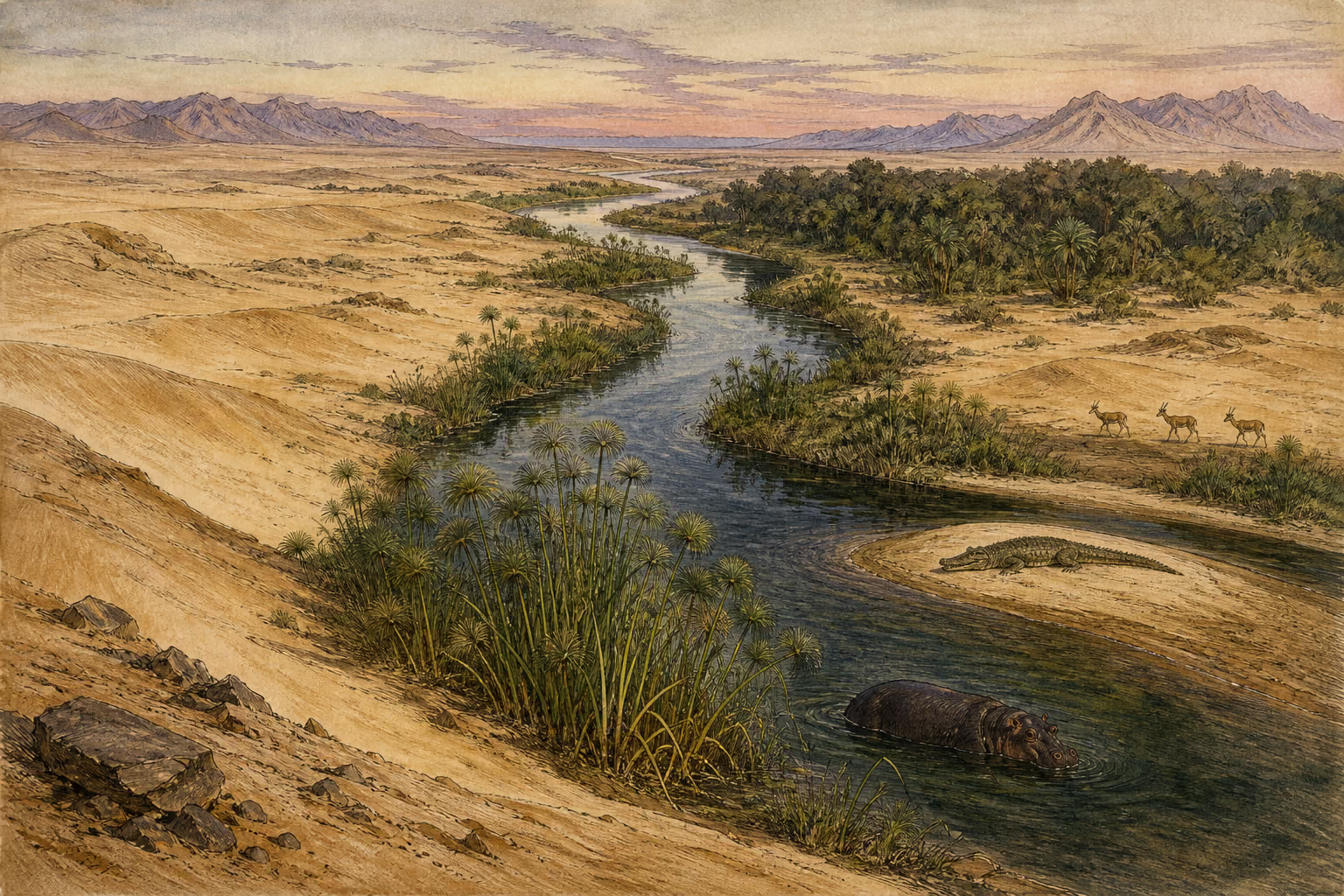
If we pass through the interior of Africa in a southerly direction, beyond the Gætuli, after having traversed the intervening deserts, we shall find, first of all the Liby-Egyptians, and then the country where the Leucæthiopians dwell. Beyond these are the Nigritæ, nations of Æthiopia, so called from the river Nigris, which has been previously mentioned, the Gymnetes, surnamed Pharusii, and, on the very margin of the ocean, the Perorsi, whom we have already spoken of as lying on the boundaries of Mauritania. After passing all these peoples, there are vast deserts towards the east until we come to the Garamantes, the Augylæ, and the Troglodytæ; the opinion of those being exceedingly well founded who place two Æthiopias beyond the deserts of Africa, and more particularly that expressed by Homer, who tells us that the Æthiopians are divided into two nations, those of the east and those of the west. The river Nigris has the same characteristics as the Nile; it produces the calamus, the papyrus, and just the same animals, and it rises at the same seasons of the year. Its source is between the Tarrælian Æthiopians and the Œcalicæ. Magium, the city of the latter people, has been placed by some writers amid the deserts, and, next to them the Atlantes; then the Ægipani, half men, half beasts, the Blemmyæ, the Gamphasantes, the Satyri, and the Himantopodes.
The Atlantes, if we believe what is said, have lost all characteristics of humanity; for there is no mode of distinguishing each other among them by names, and as they look upon the rising and the setting sun, they give utterance to direful imprecations against it, as being deadly to themselves and their lands; nor are they visited with dreams, like the rest of mortals. The Troglodytæ make excavations in the earth, which serve them for dwellings; the flesh of serpents is their food; they have no articulate voice, but only utter a kind of squeaking noise; and thus are they utterly destitute of all means of communication by language. The Garamantes have no institution of marriage among them, and live in promiscuous concubinage with their women. The Augylæ worship no deities but the gods of the infernal regions. The Gamphasantes, who go naked, and are unacquainted with war, hold no intercourse whatever with strangers. The Blemmyæ are said to have no heads, their mouths and eyes being seated in their breasts. The Satyri, beyond their figure, have nothing in common with the manners of the human race, and the form of the Ægipani is such as is commonly represented in paintings. The Himantopodes are a race of people with feet resembling thongs, upon which they move along by nature with a serpentine, crawling kind of gait. The Pharusii, descended from the ancient Persians, are said to have been the companions of Hercules when on his expedition to the Hesperides. Beyond the above, I have met with nothing relative to Africa worthy of mention.