LIBER VII · CAPUT 29
MEN OF REMARKABLE GENIUS
Latine · Mayhoff 1906
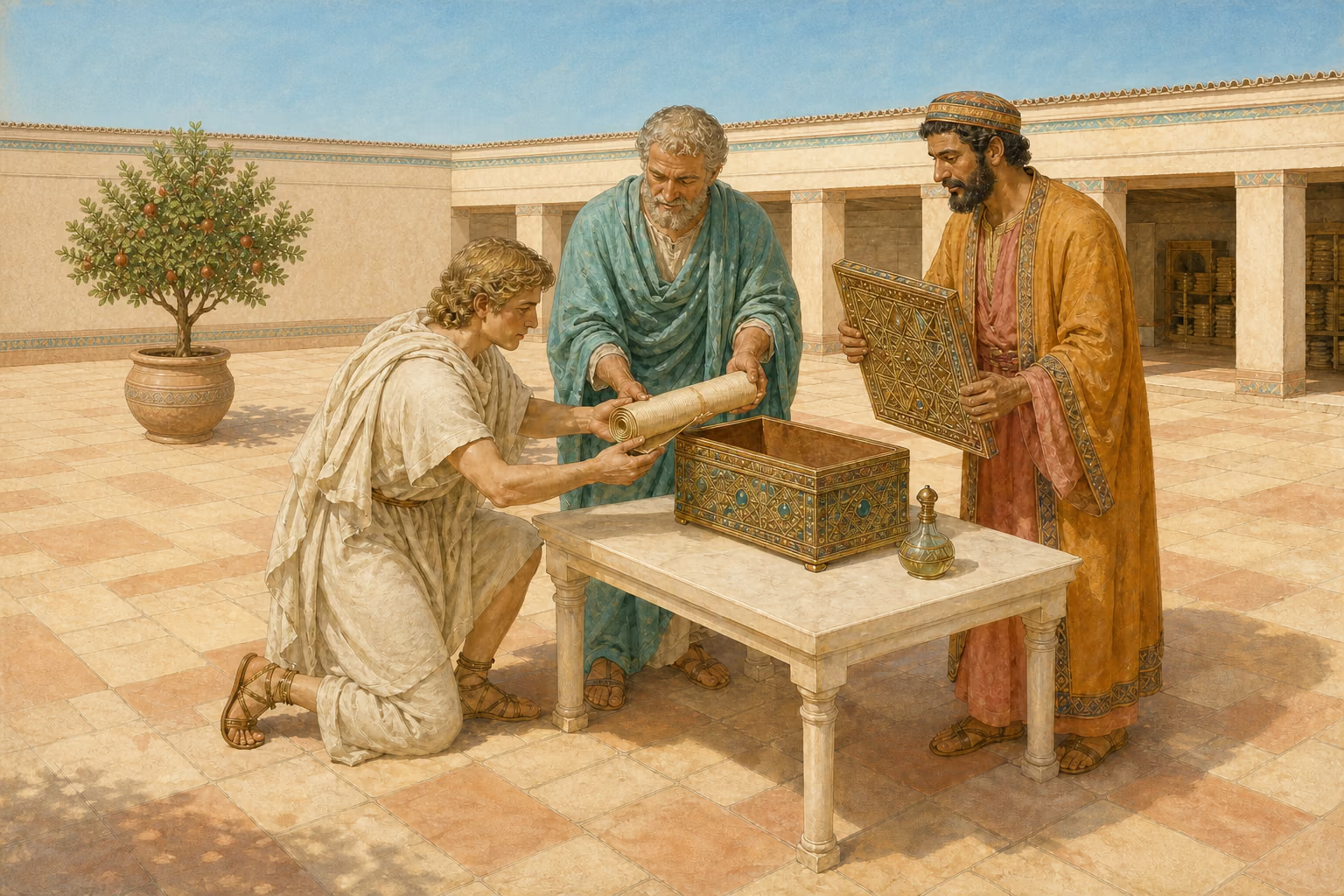
Ingeniorum gloriae quis possit agere dilectum per tot disciplinarum genera et tantam rerum operumque varietatem, nisi forte Homero vate Graeco nullum felicius extitisse convenit, sive operis forma sive materie aestimetur? itaque Alexander Magnus — etenim insignibus iudiciis optime citraque invidiam tam superba censura peragetur— inter spolia Darii Persarum regis unguentornc scrinio capto, quod erat auro, margaritis gemmisque pretiosum, varios eius usus amicis demonstrantibus, quando taedebat unguenti bellatorem et militia sordidum: immo Hercule, inquit, librorum Homeri custodiae detur, ut pretiosissimum humani animi opus quam maxime diviti opere servaretur. idem Pindari vatis familiae penatibusque iussit parci, cum Thebas raperet, Aristotelis philosophi patriam suam credidit tantaeque rerum claritati tam benignum testimonium miscuit. Archilochi poetae interfectores Apollo arguit Delphis. Sophoclem tragici cothurni principem defunctum sepelire Liber pater iussit, obsidentibus moenia Lacedaemoniis, Lysandro eorum rege in quiete saepius admonito ut pateretur humari delicias suas. requisivit rex, qui supremum diem Athenis obissent, nec difficulter ex his quem dens significasset intellexit pacemque funeri dedit.
English · Bostock & Riley 1855–57
Among so many different pursuits, and so great a variety of works and objects, who can select the palm of glory for transcendent genius? Unless perchance we should agree in opinion that no more brilliant genius ever existed than the Greek poet Homer, whether it is that we regard the happy subject of his work, or the excellence of its execution. For this reason it was that Alexander the Great—and it is only by judges of such high estate that a sentence, just and unbiassed by envy, can be pronounced in the case of such lofty claims—when he found among the spoils of Darius, the king of Persia, a casket for perfumes, enriched with gold, precious stones, and pearls, covered as he was with the dust of battle, deemed it beneath a warrior to make use of unguents, and, when his friends were pointing out to him its various uses, exclaimed, “Nay, but by Hercules! let the casket be used for preserving the poems of Homer;” that so the most precious work of the human mind might be placed in the keeping of the richest work of art. It was the same conqueror, too, who gave directions that the descendants and house of the poet Pindar should be spared, at the taking of Thebes. He likewise rebuilt the native city of Aristotle, uniting to the extraordinary brilliancy of his exploits this speaking testimony of his kindliness of disposition.
Apollo impeached by name the assassins of the poet Archilochus at Delphi. While the Lacedæmonians were besieging Athens, Father Liber ordered the funeral rites to be performed for Sophocles, the very prince of the tragic buskin; repeatedly warning their king, Lysander, in his sleep, to allow of the burial of his favourite. Upon this, the king made enquiry who had lately died in Athens; and understanding without any difficulty from the Athenians to whom the god referred, he allowed the funeral rites to be performed without molestation.