LIBER VII · CAPUT 6
INDICATIONS OF THE SEX OF THE CHILD DURING THE PREGNANCY OF THE MOTHER
Latine · Mayhoff 1906
A conceptu decimo die dolores capitis, oculorum vertigines tenebraeque, fastidium in cibis, redundatio stomachi indices sunt hominis inchoati. melior color marem ferenti et facilior partus, motus in utero quadragensimo die. contraria omnia in altero sexu, ingestabile onus, crurum et inguinis levis tumor, primus autem XC die motus. sed plurimum languoris in utroque sexu capillum germinante partu et in plenilunio, quod tempus editos quoque infantes praecipue infestat. adeoque incessus atque omne quicquid dici potest in gravida refert, ut salsioribus cibis usae carentem unguiculis partum edant et, si respiravere, difficilius enitantur. oscitatio quidem in enixu letalis est, sicut sternuisse a coitu abortivum.
English · Bostock & Riley 1855–57
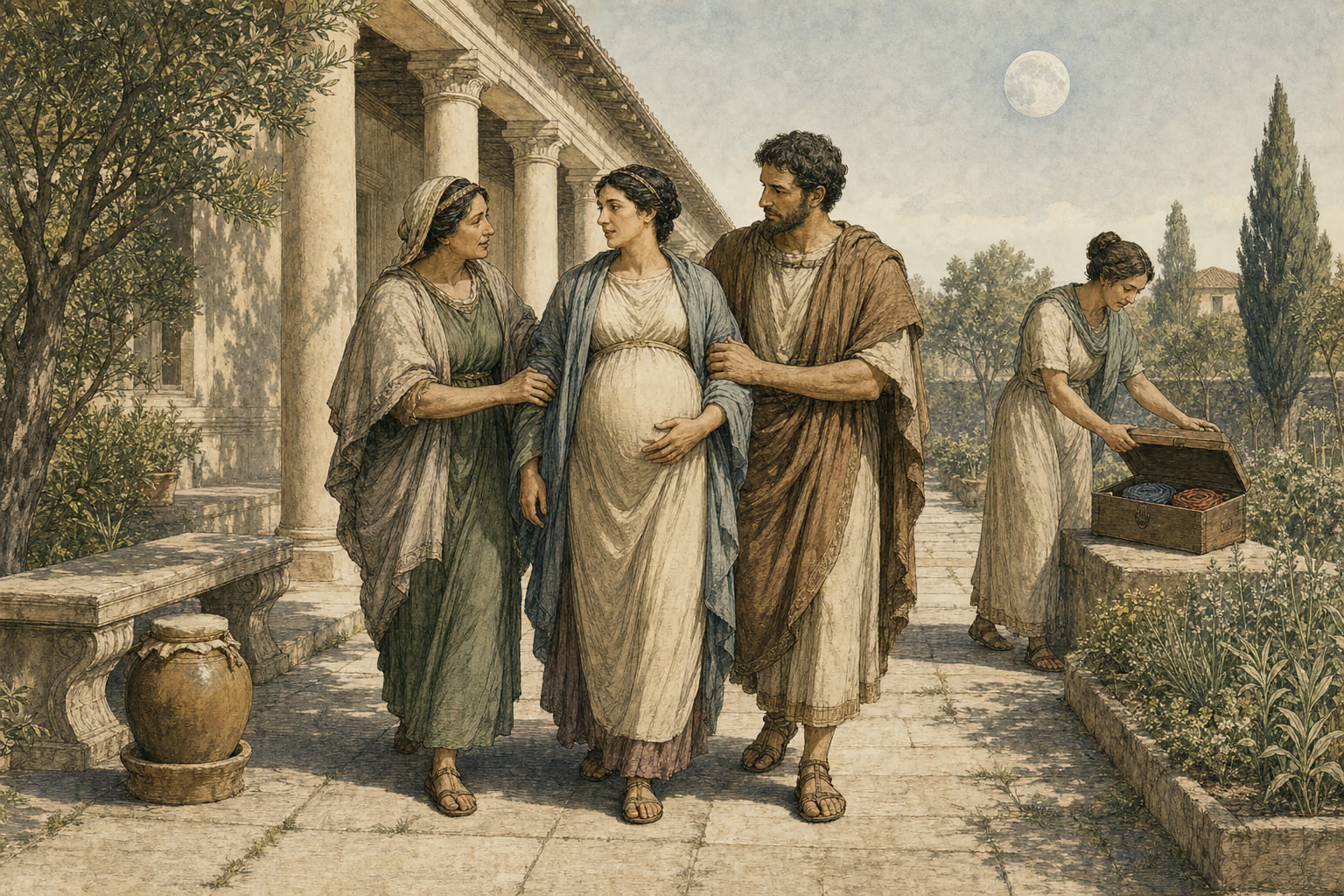
On the tenth day after conception, pains are felt in the head, vertigo, and dimness of the sight; these signs, together with loathing of food and rising of the stomach, indicate the formation of the future human being. If it is a male that is conceived, the colour of the pregnant woman is more healthy, and the birth less painful: the child moves in the womb upon the fortieth day. In the conception of a child of the other sex, all the symptoms are totally different: the mother experiences an almost insupportable weight, there is a slight swelling of the legs and the groin, and the first movement of the child is not felt until the ninetieth day. But, whatever the sex of the child, the mother is sensible of the greatest languor at the time when the hair of the fœtus first begins to grow, and at the full moon; at which latter time it is that children newly born are exposed to the greatest danger. In addition to this, the mode of walking, and indeed everything that can be mentioned, is of consequence in the case of a woman who is pregnant. Thus, for instance, women who have used too much salted meat will bring forth children without nails: parturition, too, is more difficult, if they do not hold their breath. It is fatal, too, to yawn during labour; and abortion ensues, if the female should happen to sneeze just after the sexual congress.