LIBER VII · CAPUT 7
INDICATIONS OF THE SEX OF THE CHILD DURING THE PREGNANCY OF THE MOTHER
Latine · Mayhoff 1906
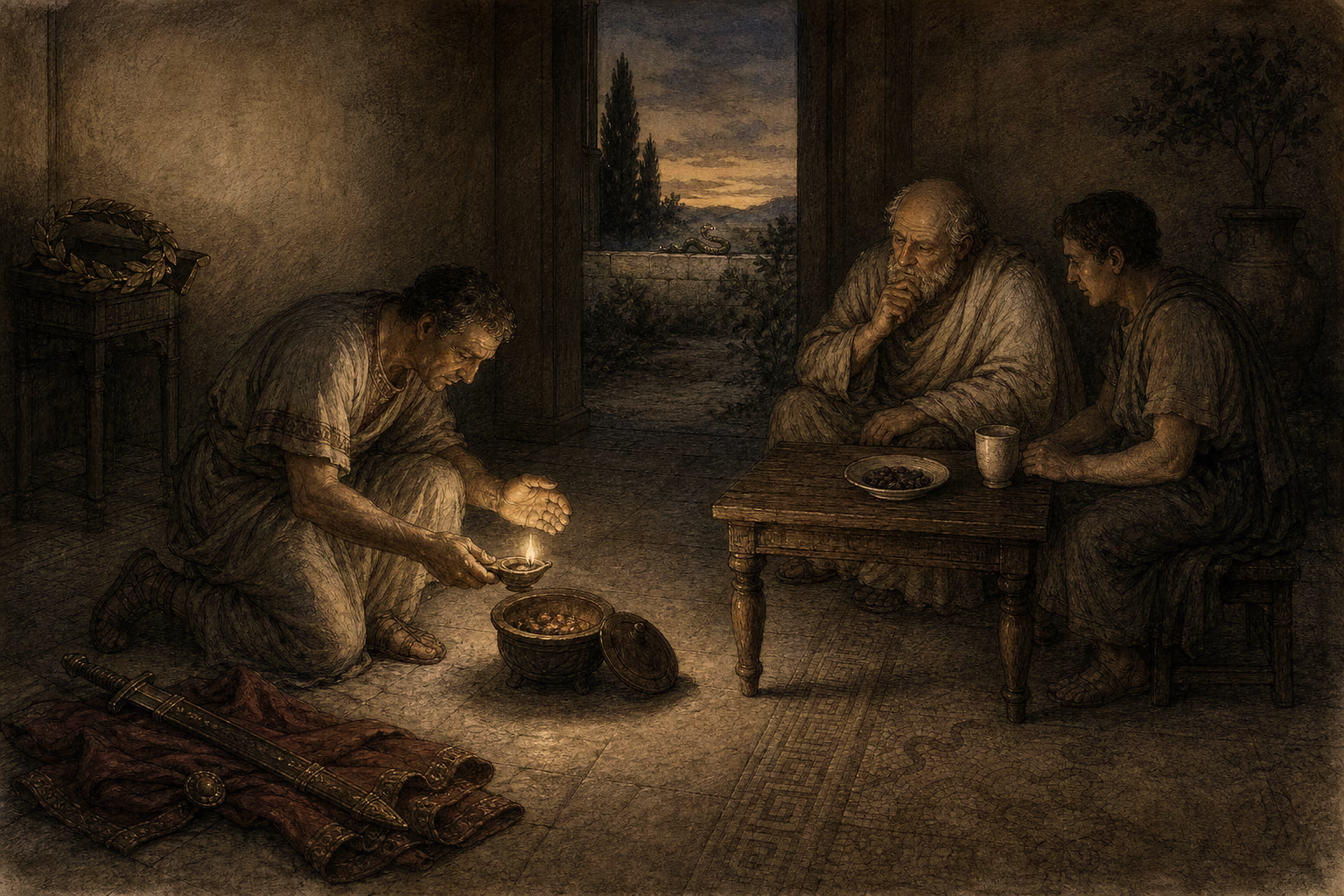
Miseret atque etiam pudet aestimantem quam sit frivola animalium superbissimi origo, cum plerisque abortus causa odor a lucernarum fiat extinctu. his principiis nascuntur tyranni, his carnifex animus! tu qui corporis viribus fidis, tu qui fortunae munera amplexaris et te ne alumnum quidem eius existimas, sed partum, tu cuius imperatoria est mens, tu qui te deum credis aliquo successu tumens, tanti perire potuisti! atque etiam hodie minoris potes, quantulo serpentis ictus dente aut etiam, ut Anacreon poeta, acino uvae passae, ut Fabius Senator praetor, in lactis haustu uno pilo strangulatus. is demum profecto vitam aequa lance pensitabit, qui semper fragilitatis humanae memor fuerit.
English · Bostock & Riley 1855–57
It is a subject for pity, and even for a feeling of shame, when one reflects that the origin of the most vain of all animated beings is thus frail: so much so, indeed, that very often the smell even of a lamp just extinguished is a cause of abortion. From such beginnings as these springs the tyrant, from such the murderous dispositions of men. Thou man, who placest thy confidence in the strength of thy body, thou, who dost embrace the gifts of Fortune, and look upon thyself, not only as her fosterling, but even as her own born child, thou, whose mind is ever thirsting for blood, thou who, puffed up with some success or other, dost think thyself a god—by how trifling a thing might thy life have been cut short! Even this very day, something still less even may have the same effect, the puncture, for instance, of the tiny sting of the serpent; or even, as befell the poet Anacreon, the swallowing of the stone of a raisin, or of a single hair in a draught of milk, by which the prætor and senator, Fabius, was choked, and so met his death. He only, in fact, will be able to form a just estimate of the value of life, who will always bear in mind the extreme frailty of its tenure.