LIBER VIII · CAPUT 1
ELEPHANTS; THEIR CAPACITY
Latine · Mayhoff 1906
Ad reliqua transeamus animalia et primum terrestria.
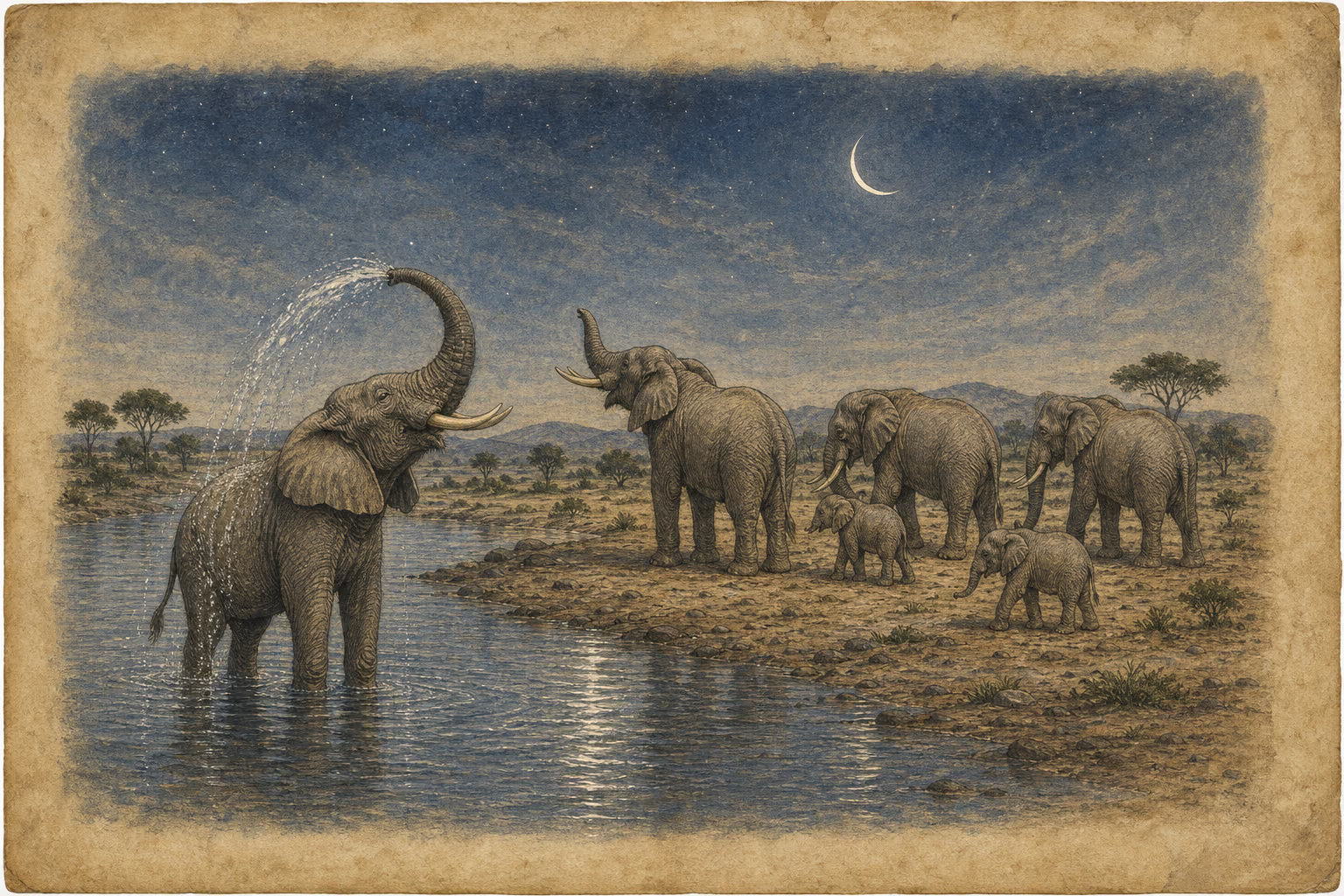
Maximum est elephans proximumque humanis sensibus, quippe intellectus illis sermonis patrii et imperiorum obedientia, officiorum quae didicere memoria, amoris et gloriae voluptas, immo vero, quae etiam in homine rara, probitas, prudentia, aequitas, religio quoque siderum solisque ac lunae veneratio. auctores sunt in Mauretaniae saltibus ad quendam amnem, cui nomen est Amilo, nitescente luna nova greges eorum descendere ibique se purificantes sollemniter aqua circumspergi atque ita salutato sidere in silvas reverti vitulorum fatigatos prae se ferentes. alienae quoque religionis intellectu creduntur maria transituri non ante naves conscendere quam invitati rectoris iureiurando de reditu, visique sunt fessi aegritudine, quando et illas moles infestant morbi, herbas supini in caelum iacientes, veluti tellure precibus allegata. nam, quod ad docilitatem attinet, regem adorant, genua submittunt, coronas porrigunt. Indis arant minores, quos appellant nothos.
English · Bostock & Riley 1855–57
Let us now pass on to the other animals, and first of all to the land animals. The elephant is the largest of them all, and in intelligence approaches the nearest to man. It understands the language of its country, it obeys commands, and it remembers all the duties which it has been taught. It is sensible alike of the pleasures of love and glory, and, to a degree that is rare among men even, possesses notions of honesty, prudence, and equity; it has a religious respect also for the stars, and a veneration for the sun and the moon. It is said by some authors, that, at the first appearance of the new moon, herds of these animals come down from the forests of Mauritania to a river, the name of which is Amilo; and that they there purify themselves in solemn form by sprinkling their bodies with water; after which, having thus saluted the heavenly body, they return to the woods, carrying before them the young ones which are fatigued. They are supposed to have a notion, too, of the differences of religion; and when about to cross the sea, they cannot be prevailed upon to go on board the ship, until their keeper has promised upon oath that they shall return home again. They have been seen, too, when worn out by disease, (for even these vast masses are liable to disease,) lying on their back, and throwing the grass up into the air, as if deputing the earth to intercede for them with its prayers. As a proof of their extreme docility, they pay homage to the king, fall upon their knees, and offer him the crown. Those of smaller growth, which the Indians call bastards, are employed by them in ploughing.