LIBER X · CAPUT 36
PIGEONS
Latine · Mayhoff 1906
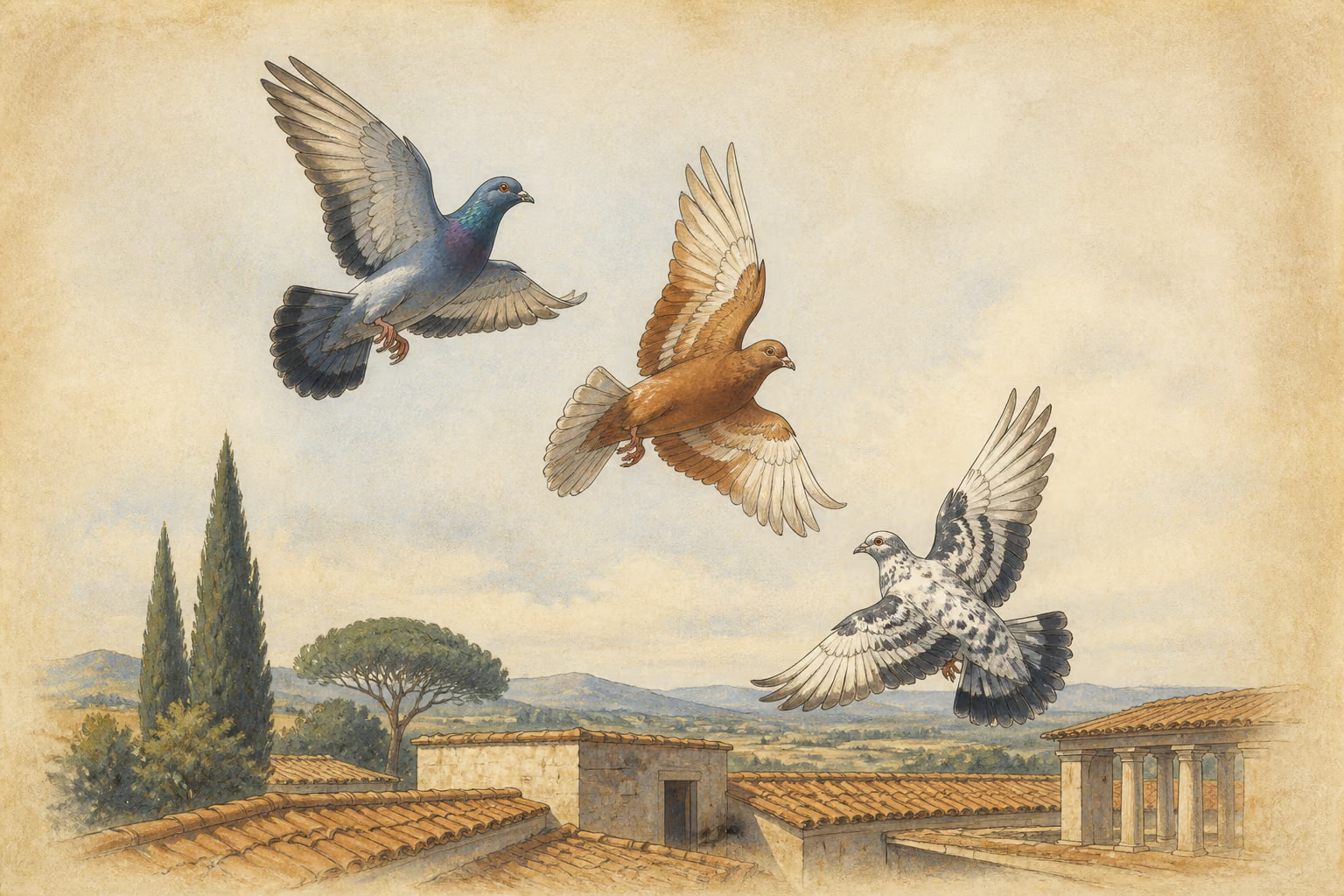
contra passeri minimum vitae, cui salacitas par. mares negantur anno diutius durare argumento, quia nulla veris initio appareat nigritudo in rostro, quae ab aestate incipit. feminis longiusculum spatium. verum columbis inest quidam et gloriae intellectus: nosse credas suos colores varietatemque dispositam; quin etiam ex volatu quaeritur: plaudere in caelo varieque sulcare. qua in ostentatione ut vinctae praebentur accipitri, inplicatis strepitu pinnis, qui non nisi ipsis alarum umeris eliditur, alioquin soluto volatu multum velociores. speculatur occultus fronde latro et gaudentem in ipsa gloria rapit.
English · Bostock & Riley 1855–57
The sparrow, on the other hand, which has an equal degree of salaciousness, is short-lived in the extreme. It is said that the male does not live beyond a year; and as a ground for this belief, it is stated that at the beginning of spring, the black marks are never to be seen upon the beak which began to appear in the summer. The females, however, are said to live somewhat longer.
Pigeons have even a certain appreciation of glory. There is reason for believing that they are well aware of the colours of their plumage, and the various shades which it presents, and even in their very mode of flying they court our applause, as they cleave the air in every direction. It is, indeed, through this spirit of ostentation that they are handed over, fast bound as it were, to the hawk; for from the noise that they make, which, in fact, is only produced by the flapping of their wings, their long feathers become twisted and disordered: otherwise, when they can fly without any impediment, they are far swifter in their movements than the hawk. The robber, lurking amid the dense foliage, keeps on the look-out for them, and seizes them at the very moment that they are indulging their vainglorious self-complaisance.