LIBER X · CAPUT 37
WONDERFUL THINGS DONE BY THEM; PRICES AT WHICH THEY HAVE BEEN SOLD
Latine · Mayhoff 1906
ob id cum iis habenda est avis quae tinnungulus vocatur; defendit enim illas terretque accipitres naturali potentia in tantum, ut visum vocemque eius fugiant. hac de causa praecipuus columbis amor eorum, feruntque, si in quattuor angulis defbdiantur in ollis novis oblitis, non mutare sedem columbas — quod et auro insectis alarum articulis quaesivere aliqui, non aliter innoxiis vulneribus —, multivaga alioqui ave. est enim ars illis inter se blandiri et corrumpere alias furtoque comitatiores reverti. quin et internuntiae in magnis rebus fuere, epistulas adnexas earum pedibus obsidione Mutinensi in castra consulum Decumo Bruto mittente. quid vallum et vigil obsidio atque etiam retia in amne praetenta profuere Antonio, per caelum eunte nuntio? et harum amore insaniunt multi. super tecta exaedificant turres iis nobilitatemque singularum et origines narrant, vetere iam exemplo. L. Axius eques Romanus ante bellum civile Pompeianum denariis CCCC singula paria venditavit, ut M. Varro tradit. quin et patriam nobilitavere in Campania grandissimae provenire existimatae.
English · Bostock & Riley 1855–57
It is for this reason that it is necessary to keep along with the pigeons the bird that is known as the “tinnunculus;” as it protects them, and by its natural superiority scares away the hawk: so much so, indeed, that the hawk will vanish at the very sight of it, and the instant it hears its voice. Hence it is that the pigeons have an especial regard for this bird; and, it is said, if one of these birds is buried at each of the four corners of the pigeon-house in pots that have been newly glazed, the pigeons will not change their abode—a result which has been obtained by some by cutting a joint of their wings with an instrument of gold; for if any other were used, the wounds would be not unattended with danger.—The pigeon in general may be looked upon as a bird fond of change; they have the art, too, among themselves of gaining one another over, and so seducing their companions: hence it is that we frequently find them return attended by others which they have enticed away.
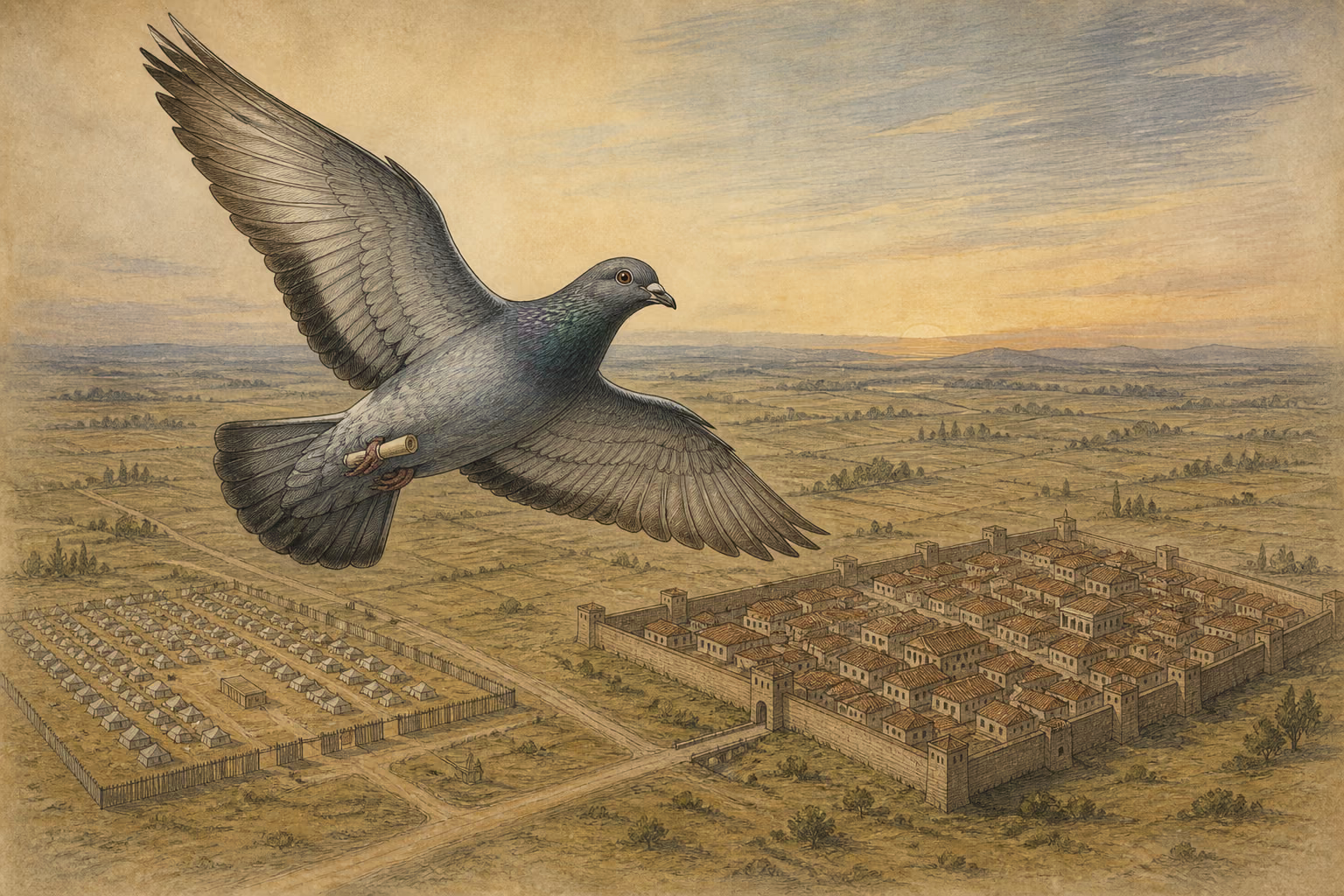
In addition to this, pigeons have acted as messengers in affairs of importance. During the siege of Mutina, Decimus Brutus, who was in the town, sent despatches to the camp of the consuls fastened to pigeons’ feet. Of what use to Antony then were his intrenchments, and all the vigilance of the besieging army? his nets, too, which he had spread in the river, while the messenger of the besieged was cleaving the air?
Many persons have quite a mania for pigeons—building towns for them on the top of their roofs, and taking a pleasure in relating the pedigree and noble origin of each. Of this there is an ancient instance that is very remarkable; L. Axius, a Roman of the equestrian order, shortly before the Civil War of Pompeius, sold a single pair for four hundred denarii, as we learn from the writings of M. Varro. Countries even have gained renown for their pigeons; it is thought that those of Campania attain the largest size.