LIBER X · CAPUT 54
DEFECTS IN BROOD-HENS, AND THEIR REMEDIES
Latine · Mayhoff 1906
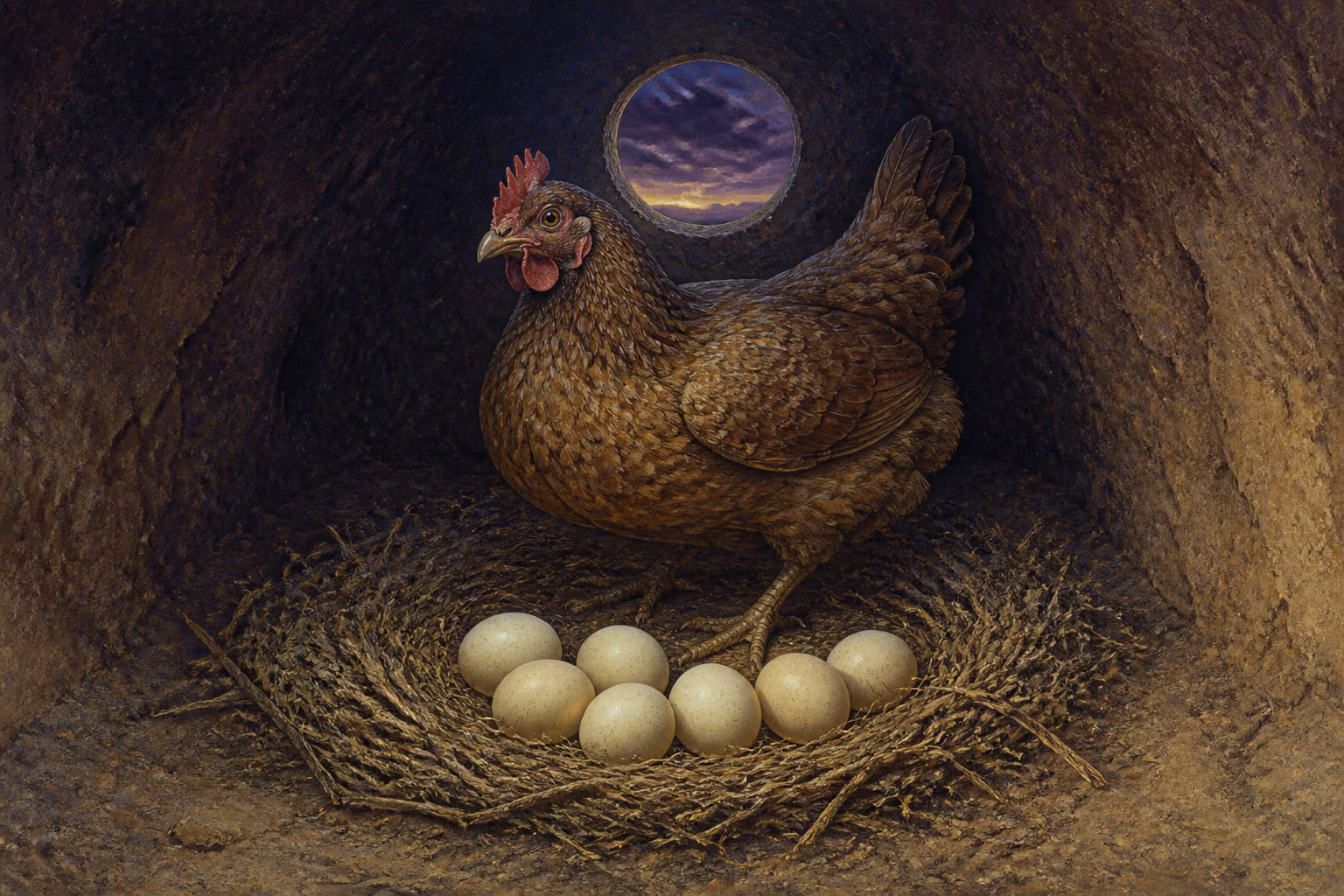
Ova incubari intra decem dies edita utilissimum; vetera aut recentiora infecunda. subici inpari numero debent. quarto die post quam coepere incubari, si contra lumen cacumine ovorum adprehenso ima manu purus et unius modi perluceat color, sterilia existimantur esse proque iis alia substituenda. et in aqua est experimentum: inane fluitat, itaque sidentia. hoc est plena, subici volunt. concuti vero experimento vetant, quoniam non gignant confusis vitalibus venis. incubationi datur initium post novam lunam, quia prius inchoata non proveniant. celerius excluduntur calidis diebus; ideo aestate undevicensimo educent fetum, hieme XXV. si incubitu tonuit, ova pereunt; et accipitris audita voce vitiantur. remedium contra tonitrus clavus ferreus sub stramine ovorum positus aut terra ex aratro. quaedam autem et citra incubitum sponte naturae gignunt, ut in Aegypti fimetis. scitum de quodam potore reperitur Syracusis tam diu potare solitum, donec cooperta terra fetum ederent ova.
English · Bostock & Riley 1855–57
Those eggs which have been laid within the last ten days, are the best for putting under the hen; old ones, or those which have just been laid, will be unfruitful; an uneven number also ought to be placed. On the fourth day after the hen has begun to sit, if, upon taking an egg with one hand by the two ends and holding it up to the light, it is found to be clear and of one uniform colour, it is most likely to be barren, and another should be substituted in its place. There is also a way of testing them by means of water; an empty egg will float on the surface, while those that fall to the bottom, or, in other words, are full, should be placed under the hen. Care must be taken, however, not to make trial by shaking them, for if the organs which are necessary for life become confused, they will come to nothing. Incubation ought to begin just after the new moon; for, if commenced before, the eggs will be unproductive. The chickens are hatched sooner if the weather is warm: hence it is that in summer they break the shell on the nineteenth day, but in winter on the twenty-fifth only. If it happens to thunder during the time of incubation, the eggs are addled, and if the cry of a hawk is heard they are spoilt. The best remedy against the effects of thunder, is to put an iron nail beneath the straw on which the eggs are laid, or else some earth from off a ploughshare. Some eggs, however, are hatched by the spontaneous action of Nature, without the process of incubation, as is the case in the dung-hills of Egypt. There is a well-known story related about a man at Syracuse, who was in the habit of covering eggs with earth, and then continuing his drinking bout till they were hatched.