LIBER X · CAPUT 59
WHEN BIRDS LAY, AND HOW MANY EGGS. THE VARIOUS KINDS OF HERONS
Latine · Mayhoff 1906
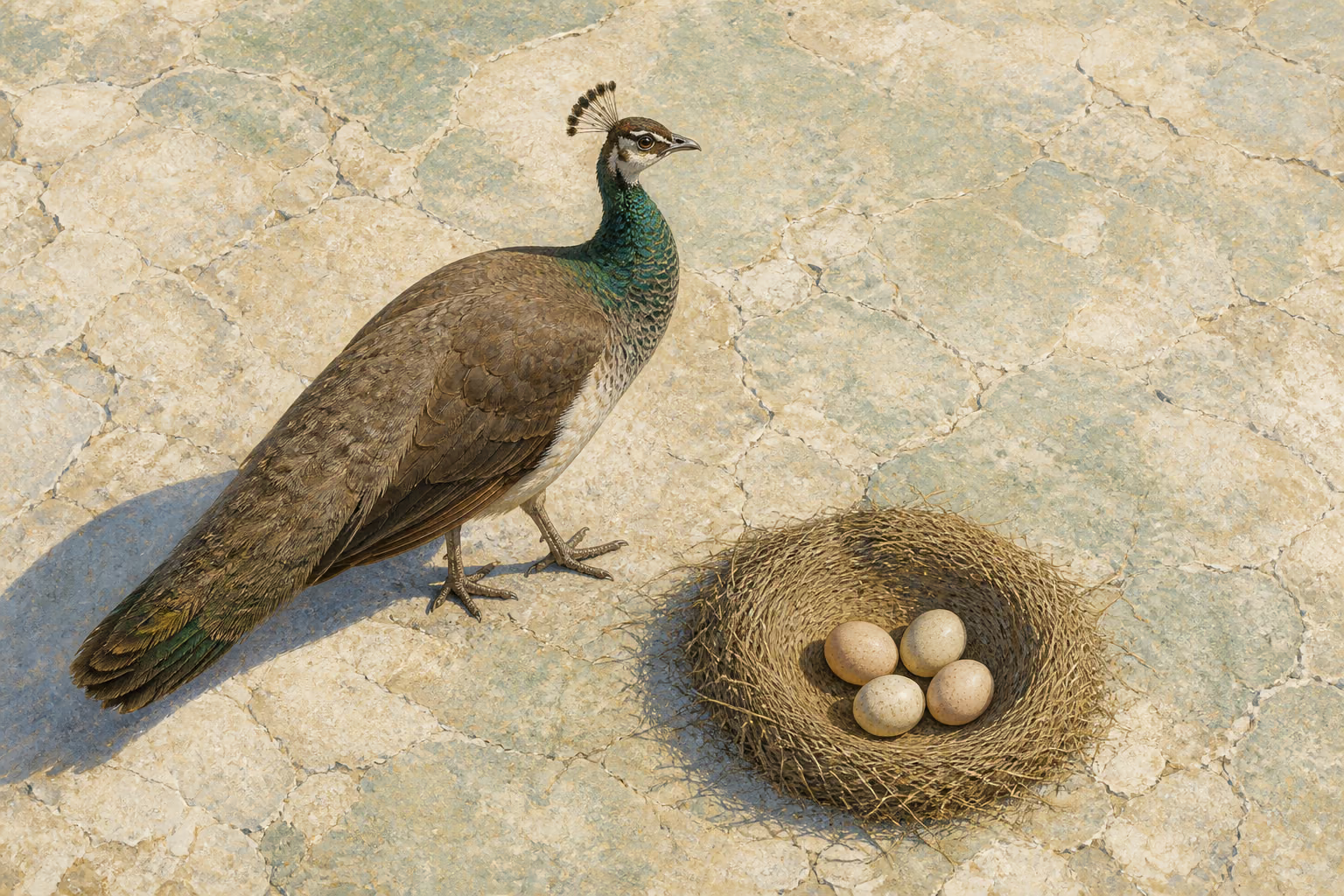
Pavo a trimatu parit; primo anno unum aut alterum ovum, sequenti quaterna quinave, ceteris duodena, non amplius, intermittens binos dies ternosve parit, et ter anno, si gallinis subiciantur incubanda. mares ea frangunt desiderio incubantium; quapropter noctu et in latebris pariunt aut in excelso cubantes, set nisi molli strato excepta franguntur. mares singuli quinis sufficiunt coniugibus. cum singulae aut binae fuere, corrumpitur salacitate fecunditas. partus excluditur diebus ter novenis aut tardius tricensimo.
Anseres in aqua coeunt, pariunt vere aut, si bruma coiere, post solstitium, XL prope, bis anno, si priorem fe- tum gallinae excludant, alias plurima ova XVI, paucissima VII. si quis subripiat, pariunt done rumpantur. aliena non excludunt. incubanda subici utilissimum VIII aut XI. incubant feminae tantum tricenis diebus, si vero tepidiores sint, XXV. pullis eorum urtica contactu mortifera, nec minus aviditas nunc satietate nimia, nunc suamet vi, quando adprehensa radice morsu saepe conantes avellere ante colla sua abrumpunt. contra urticam remedium est stramento ab incubitu subdita radix earum.
English · Bostock & Riley 1855–57
The pea-hen produces at three years old. In the first year she will lay one or two eggs, in the next four or five, and in the remaining years twelve, but never beyond that number. She lays for two or three days at intervals, and will produce three broods in the year, if care is taken to put the eggs under a common hen. The males are apt to break the eggs in getting at the females while sitting, and hence it is that the pea-hen lays by night, and in secret places, or else sits on her eggs in an elevated spot; the eggs will break, too, unless they are received upon some surface that is soft. One male is sufficient for every five females; when there are only one or two females to a male, all chance of their being prolific is spoilt through their extreme salaciousness. The young breaks the shell in twenty-seven days, or, at the very latest, on the thirtieth.
Geese pair in the water, and lay in spring; or, if they have paired in the winter, they lay about forty eggs, after the summer solstice. The hatching takes place twice in the year, if a hen hatches the first brood; otherwise, their greatest number of eggs will be sixteen, their lowest seven. If their eggs are taken away from them, they will keep on laying until they burst; they will not hatch the eggs of any other birds. The best number of eggs for placing under the goose for hatching, is nine, or else eleven. The females only sit, and that for thirty days; but if they are kept very warm, then only twenty-five. The contact of the nettle is fatal to their young, and their own greediness is no less so—sometimes, through over-eating, and sometimes through over-exertion; for seizing the root of a plant with the bill, they will make repeated efforts to tear it out of the ground, and so, at last, dislocate the neck. A remedy against the noxious effects of the nettle, is to place the root of that plant under the straw of their nest.