LIBER X · CAPUT 69
THE SENSES OF ANIMALS—THAT ALL HAVE THE SENSES OF TOUCH AND TASTE—THOSE WHICH ARE MORE REMARKABLE FOR THEIR SIGHT, SMELL, OR HEARING—MOLES—WHETHER OYSTERS HAVE THE SENSE OF HEARING
Latine · Mayhoff 1906
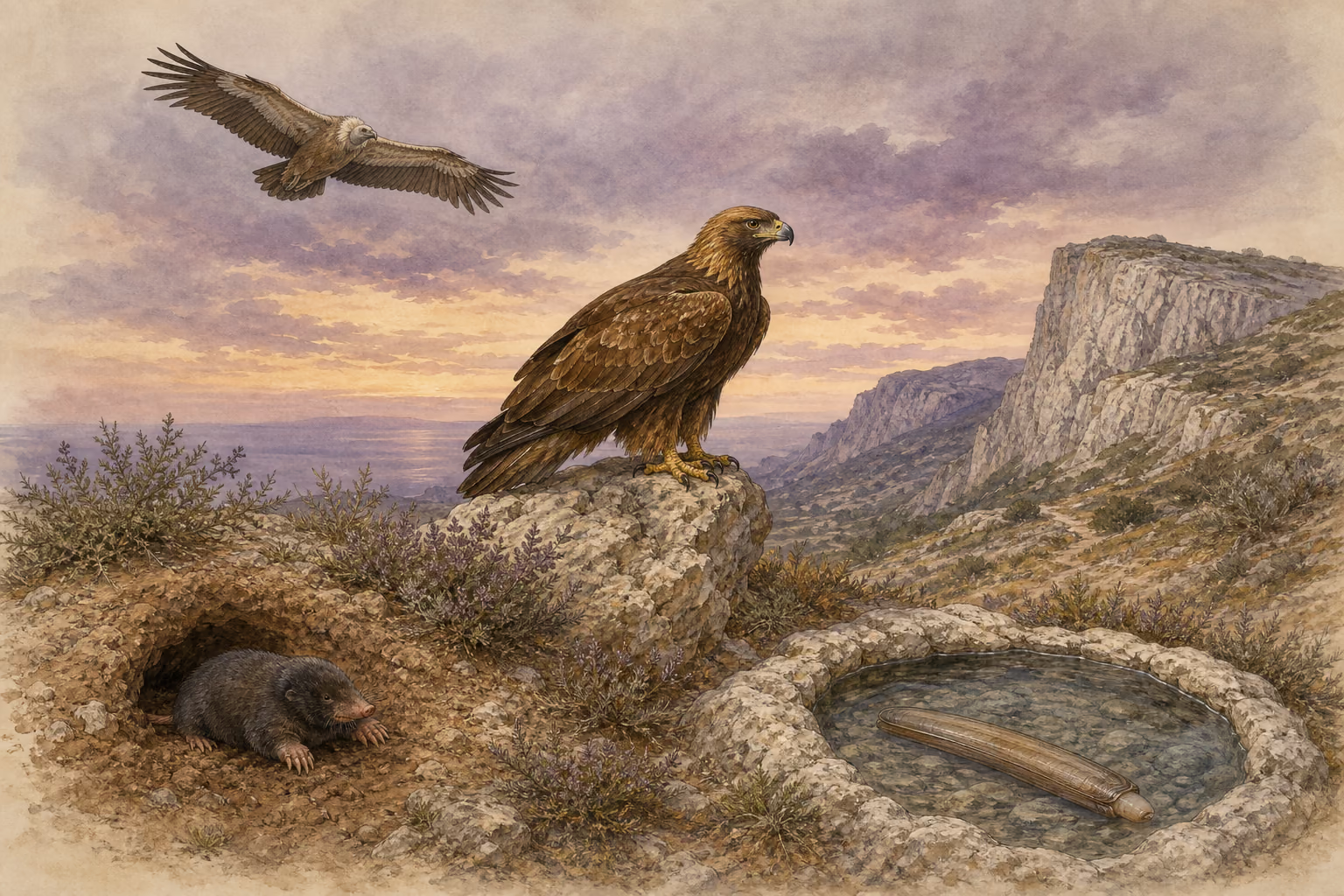
Ex sensibus ante cetera homini tactus, dein gustatus; reliquis superatur a multis. aquilae clarius cernunt, vultures sagacius odorantur, liquidius audiunt talpae: obrutae terra, tam denso atque surdo naturae elemento, praeterea voce omni in sublime tendente, sermonem exaudiunt et, si de iis loquare, intellegere etiam dicuntur et profugere. auditus cui hominum primo negatus est, huic et sermonis usus ablatus, nec sunt naturaliter surdi, ut non iidem sint et muti. in marinis ostreis auditum esse non est verisimile, sed ad sonum mergere se dicuntur solenes; ideo et silentium in more piscantibus.
English · Bostock & Riley 1855–57
Man excels more especially in his sense of touch, and next, in that of taste. In other respects, he is surpassed by many of the animals. Eagles can see more clearly than any other animals, while vultures have the better smell; moles hear more distinctly than others, although buried in the earth, so dense and sluggish an element as it is; and what is even more, although every sound has a tendency upwards, they can hear the words that are spoken; and, it is said, they can even understand it if you talk about them, and will take to flight immediately. Among men, a person who has not enjoyed the sense of hearing in his infancy, is deprived of the powers of speech as well; and there are none deaf from their birth who are not dumb also. Among the marine animals, it is not probable that oysters enjoy the sense of hearing, but it is said that immediately a noise is made the solen will sink to the bottom; it is for this reason, too, that silence is observed by persons while fishing at sea.