LIBER XII · CAPUT 27
OMPHACIUM
Latine · Mayhoff 1906
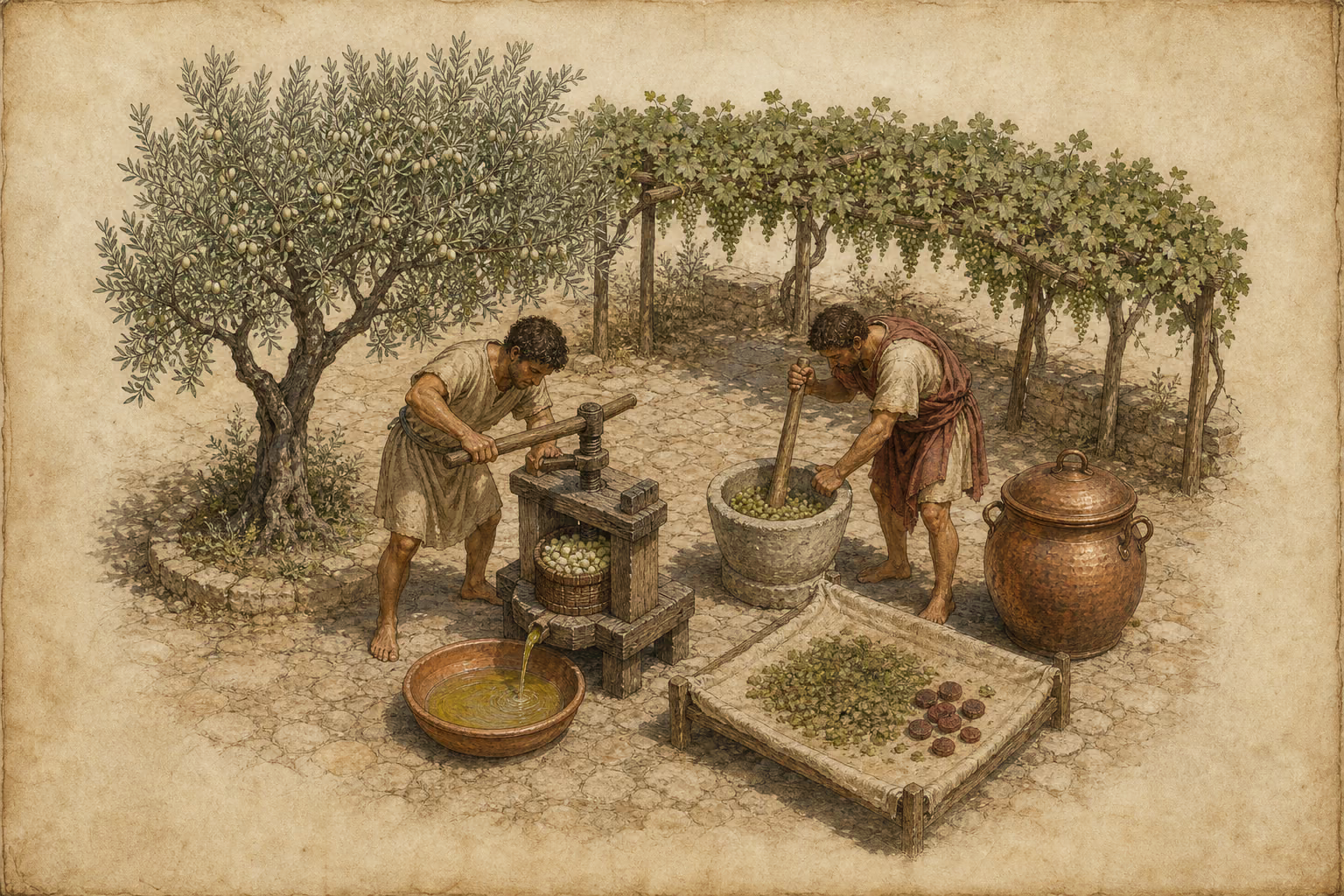
Oleum et omphacium est. fit duobus generibus et totidem modis, ex olea et vite, olea adhuc alba expressa, deterius ex druppa. ita vocatur prius quam cibo matura sit, iam tamen colorem mutans; differentia quod hoc viride est, illud candidum. e vite psithia fit aut aminnea. cum sunt acini ciceris magnitudine, ante canis ortum, in prima lanugine demetitur uva eiusque melligo. reliquum corpus sole coquitur — nocturni rores caventur in fictili conditae—; melligo coligitur subinde et Cyprio aere servatur. optima quae rufa acriorque et aridior. pretium omphacio in libras $X$ VI. fit et alio modo, cum in mortariis uva inmatura teritur siccataque in sole postea digeritur in pastillos.
English · Bostock & Riley 1855–57
Omphacium is also a kind of oil, which is obtained from two trees, the olive and the vine, by two different methods. It is produced from the former by pressing the olive while it is still in the white state. That is of an inferior quality which is made from the druppa—such being the name that is given to the olive before it is ripe and fit for food, but already beginning to change its colour. The difference between them is, that the latter kind is green, the former white. The omphacium that is made from the vine is extracted from either the psythian or the Aminean grape, when the grapes are about the size of a chick-pea, just before the rising of the Dog-star. The grape is gathered when the first bloom is appearing upon it, and the verjuice is extracted, after which the residue is left to dry in the sun, due precautions being taken against the dews of the night. The verjuice, after being collected, is put into earthen vessels, and then, after that, stored in jars of Cyprian copper. The best kind is that which is of a reddish colour, acrid, and dry to the taste. The price at which it sells is six denarii per pound. Omphacium is also made another way—the unripe grape is pounded in a mortar, after which it is dried in the sun, and then divided into lozenges.