LIBER XIII · CAPUT 10
THE EGYPTIAN THORN
Latine · Mayhoff 1906
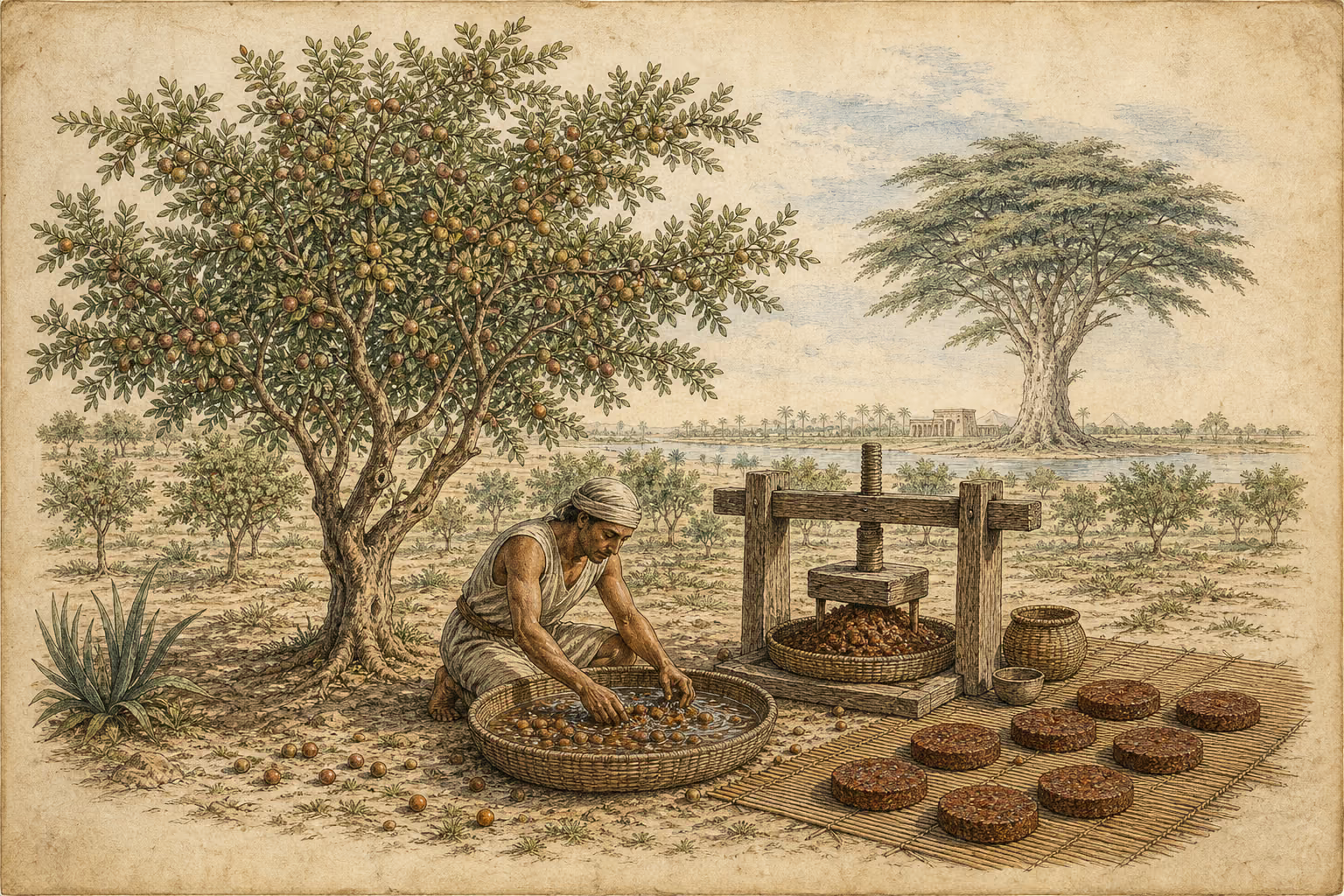
ibi et prunus Aegyptia, non dissimilis spinae proxime dictae, pomo mespili, maturescens bruma nec folia dimittens. lignum in pomo grande, sed corpus ipsum natura et copia messium instar incolis; purgatum enim tundunt servantque eius offas. silvestris fuit et circa Memphin regio tam vastis arboribus, ut terni non quirent circumplecti, unius peculiari miraculo, nec pomum propter usumve aliquem, sed eventum. facies est spinae, folia habet ceu pinnas, quae tactis ab homine ramis cadunt protinus ac postea renascuntur.
English · Bostock & Riley 1855–57
Here we find, too, the Egyptian plum-tree, not much unlike the thorn last mentioned, with a fruit similar to the medlar, and which ripens in the winter. This tree never loses its leaves. The seed in the fruit is of considerable size, but the flesh of it, by reason of its quality, and the great abundance in which it grows, affords quite a harvest to the inhabitants of those parts; after cleaning it, they subject it to pressure, and then make it up into cakes for keeping. There was formerly a woodland district in the vicinity of Memphis, with trees of such enormous size, that three men could not span one with their arms: one of these trees is remarkable, not for its fruit, or any particular use that it is, but for the singular phænomenon that it presents. In appearance it strongly resembles a thorn, and it has leaves which have all the appearance of wings, and which fall immediately the branch is touched by any one, and then immediately shoot again.